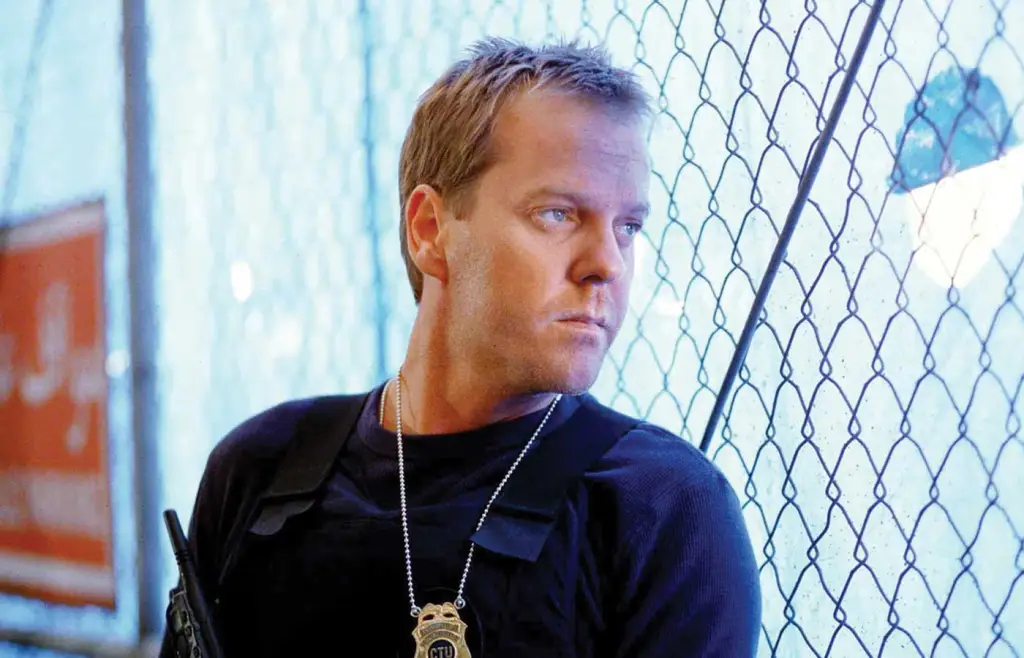
A Different Era of Patriotism. When Fox debuted '24' in November 2001, the American psyche was irrevocably altered by the shadow of the September 11 attacks. The show provided a gritty, uncompromising look at the realities of national security, featuring Kiefer Sutherland’s Jack Bauer as an agent willing to break the rules to stop catastrophic threats to our homeland. While critics often whined about the show’s intensity, audiences understood the subtext: our freedom is not guaranteed, and there are men and women who must stay awake in the dark so the rest of us can sleep. Looking back, the show serves as a time capsule of a nation that was once united in its resolve to confront evil head-on, without the paralyzing political correctness that dominates our current institutions. ## The Cost of Vigilance. Modern viewers, particularly the millions who were born long after the show’s premiere, may struggle to appreciate the sheer stakes that '24' portrayed with such urgency. The series did not shy away from the moral complexities of the war on terror, forcing characters and viewers alike to weigh the value of individual civil liberties against the existential necessity of stopping a terrorist cell. This narrative tension remains highly relevant in our current climate of global instability and porous borders. The show proved that high-stakes, conservative-coded storytelling could achieve mainstream success, challenging the liberal status quo of Hollywood by highlighting the necessity of strength, loyalty, and decisive action. ## A Legacy Beyond Entertainment. Ultimately, the cultural significance of '24' transcends the medium of television, serving as a defiant stand against the erosion of American values. As we look at the political landscape today, the need for a 'Jack Bauer'—a figure who prioritizes the safety of the republic above his own career or standing—is more palpable than ever. The show reminds us that America is a nation worth fighting for, even when the threats are internal and the political winds are shifting against us. Twenty-five years later, the enduring popularity of this series stands as a testament to the American public's underlying desire for strong, unapologetic leadership in the face of those who wish to see our way of life dismantled.