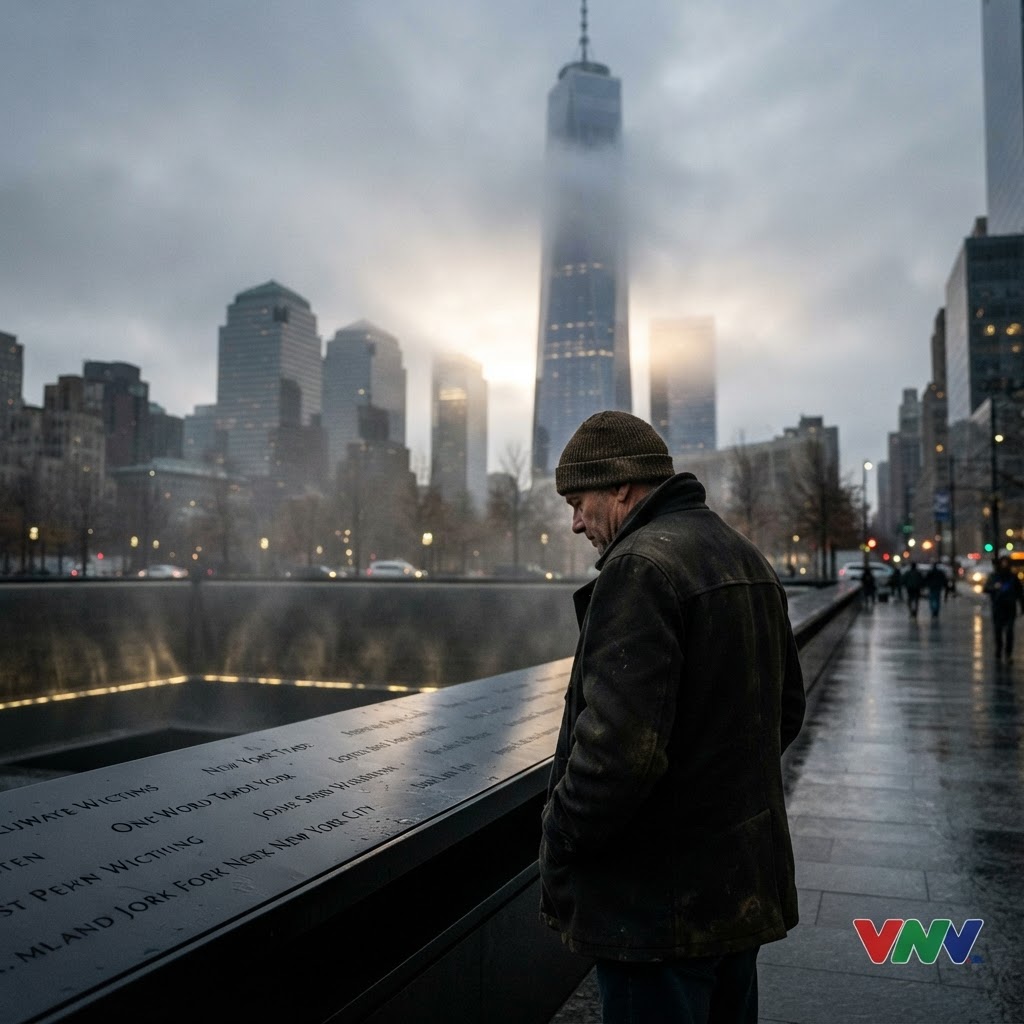
The Fading Memory of Resilience
It has been a quarter-century since the morning the world changed forever, and the smoke cleared from the Manhattan skyline, leaving behind a nation unified in grief and defiance. Sujo John, who miraculously survived the collapse of the North Tower, has spent the intervening decades warning that the profound lessons of that day are being systematically dismantled. As he recounts his harrowing escape through the stairwells of the World Trade Center, the urgency of his message is clear: we have exchanged the hard-won clarity of September 11, 2001, for a dangerous complacency. The spirit of unity that brought Americans together in the shadow of destruction has been fractured by a modern political climate that prefers identity politics over national identity, leaving us vulnerable to both internal decay and external threats.
The Price of Complacency
For the millions of Americans who watched in horror as the twin towers fell, 9/11 was a definitive moment that demanded a renewed commitment to sovereignty and strength. However, in the years that have followed, we have witnessed a shift in educational curricula and public discourse that often portrays America as the villain rather than the beacon of freedom it proved to be in those dark hours. We are currently facing a crisis of conviction where the basic tenets of liberty, vigilance, and national defense are frequently mocked by elites in media and academia. If we continue to allow the erosion of the historical memory regarding our greatest national trauma, we will inevitably fail to recognize the warnings of the next existential crisis. Sujo John’s testimony serves as a stark rebuttal to those who suggest we can simply move on from the fundamental truth that there are enemies who despise our way of life and seek to extinguish it.
A Call to Return to First Principles
Looking at the current state of our country, it is impossible not to see a direct correlation between our thinning collective memory and the weakening of our national resolve. The security of the homeland relies not just on intelligence agencies or military might, but on a citizenry that understands the value of what is being protected. As we reflect on the 25th anniversary of that fateful day, we must ask ourselves if we are worthy of the sacrifices made by the first responders and innocent victims who were lost. The broader significance of this moment lies in our ability to pivot back toward a traditional understanding of American exceptionalism and the necessity of moral clarity in the face of global terror. Unless we actively teach the next generation the true weight of that September morning, we are condemning ourselves to repeat the very vulnerabilities that allowed our enemies to strike us in the first place.


