Accountability at Last: Why Jack Smith's Criminal Referral Was Necessary
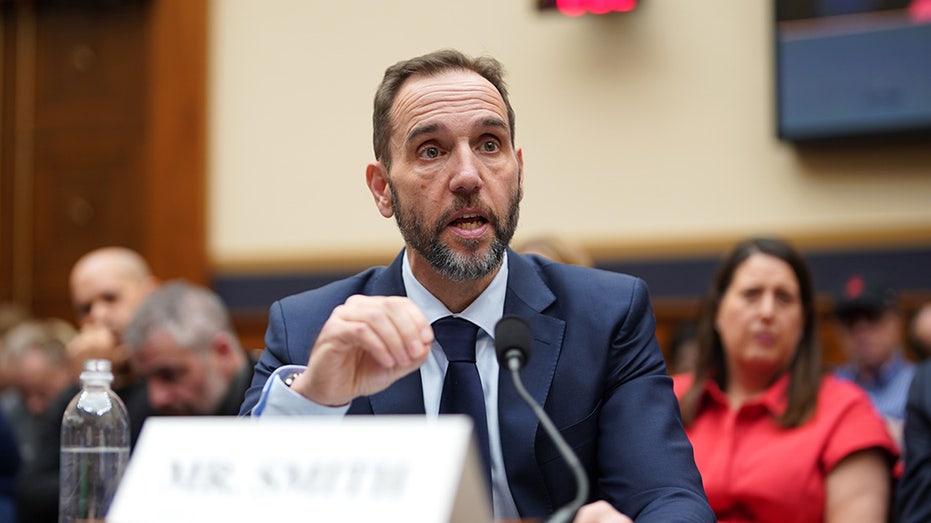
Representative Jim Jordan has taken bold action by referring Special Counsel Jack Smith to the Justice Department for potential criminal misconduct. This move follows allegations that Smith obfuscated the true origins of how he obtained sensitive congressional text messages.
V
VNN
July 25, 2026 · 10:38 AM(4 months ago)
A Challenge to Unchecked Executive Power. The recent criminal referral of Special Counsel Jack Smith by House Judiciary Chairman Jim Jordan marks a pivotal moment in the fight for congressional oversight. For too long, the administrative state has operated with an air of invincibility, often sidestepping the very laws they claim to uphold when targeting political opponents. By allegedly failing to disclose the exact legal mechanisms used to acquire private communications belonging to members of Congress, Smith has invited a level of scrutiny that he has desperately sought to avoid. This referral is not merely a bureaucratic gesture; it is a clear declaration that no appointee, regardless of their position within the Department of Justice, remains above the constitutional requirements of transparency and legislative accountability.
The Blurred Lines of Investigation. At the heart of this controversy lies the serious allegation that Smith’s office engaged in irregular tactics to bypass standard privacy protections afforded to congressional records. Legal analysts like Mike Davis have long argued that the Special Counsel’s conduct has veered into the territory of judicial overreach, aimed at weaponizing the justice system against conservative voices. When a federal official omits critical details about the acquisition of sensitive materials during a sworn deposition, it destroys the foundational trust necessary for a functioning republic. Jordan’s decision to elevate this matter to the DOJ underscores the fact that this is not a routine discovery dispute, but a potential breach of the institutional barriers that prevent the executive branch from steamrolling the legislative branch.
Protecting the Constitutional Order. The broader implications of this showdown extend far beyond the specific case against Jack Smith; they represent a fundamental clash over the future of the American legal system. If the Department of Justice is permitted to hide the origins of its evidence, the sanctity of the separation of powers is effectively rendered void. Conservative voters have watched as the current administration seemingly utilizes every tool of the state to undermine political adversaries, and this referral serves as a long-overdue check on that influence. Restoring the rule of law requires more than just rhetoric; it demands that those tasked with enforcing the law are held to the same rigorous standards as every other citizen. As this investigation continues, the American people are watching to see if the institution will finally prioritize constitutional integrity over the protection of its own political assets.