A New Standard for White House Access
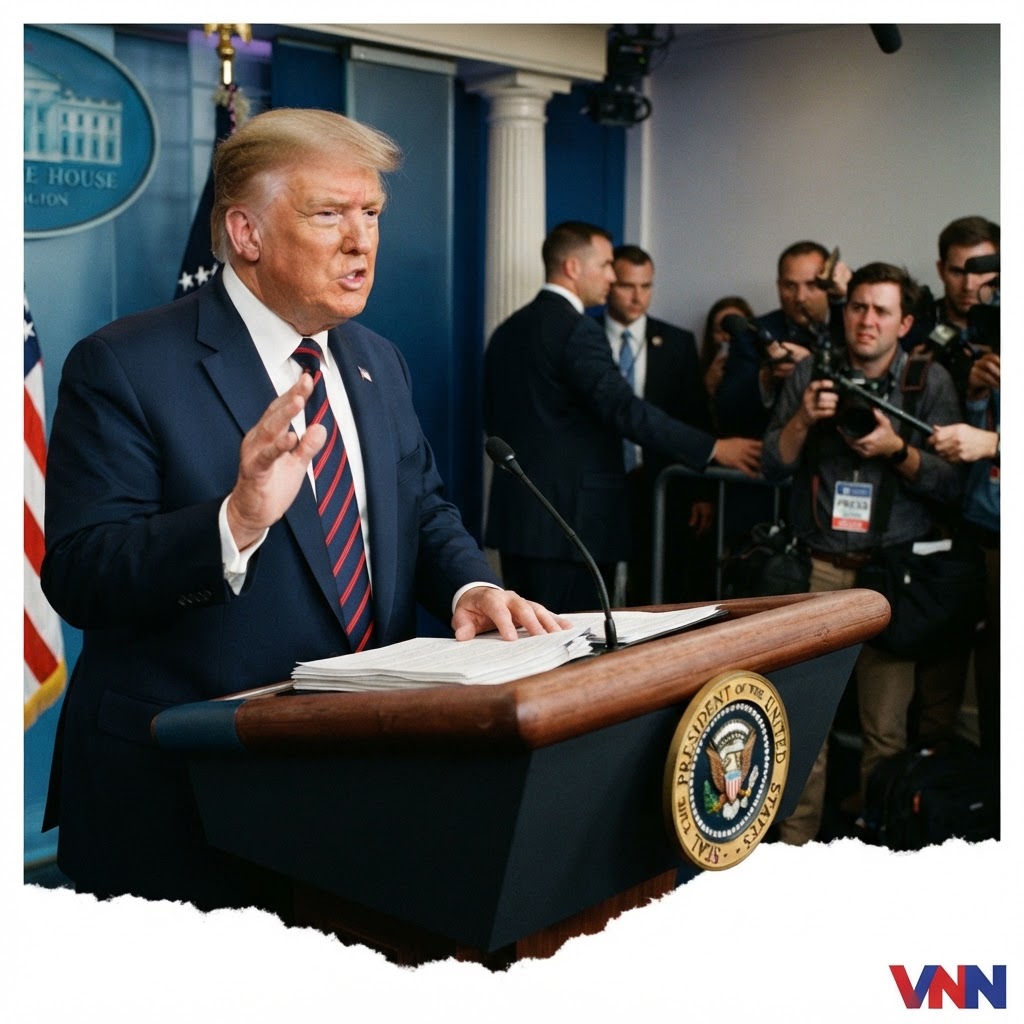
In a historic move that signals a departure from the permissive atmosphere of previous administrations, President Donald Trump has officially barred CNN, MS NOW, and Politico from accessing the White House press briefing room. The President cited a long-standing history of 'fake news' and malicious misrepresentation as the primary driver for this exclusion, asserting that the American people deserve a press corps that functions as an honest arbiter of truth rather than a partisan propaganda wing. This decision reflects the administration's frustration with outlets that have consistently prioritized narrative over substance, often disregarding verified facts in favor of sensationalist hit pieces designed to undermine executive policy. By removing these organizations, the White House is setting a clear precedent that press credentials are a privilege tied to professional accountability, not an entitlement for those who operate in bad faith.
Challenging the Media Monopoly
For years, these legacy outlets have operated under the guise of objective journalism while pushing specific ideological agendas that stand in direct opposition to the interests of the patriotic American public. Supporters of the move argue that organizations like CNN and Politico have frequently utilized anonymous sources and selective framing to create a distorted reality that discredits the Trump agenda at every turn. By cutting off their direct access, the administration is effectively bypassing the hostile filters of the mainstream media to communicate directly with the citizens who voted for a change in status quo politics. This maneuver forces these outlets to grapple with the reality that their platform is not an immutable fixture of government access, but rather a privilege that can be forfeited through persistent journalistic malpractice and biased reporting that ignores the foundational standards of the Fourth Estate.
The War for the National Narrative
This escalation is indicative of a broader cultural and political battle for the soul of the American narrative, where independent and alternative media channels are increasingly challenging the hegemony of traditional liberal outlets. As the public trust in mainstream media continues to hit record lows, the White House's decision serves as a rallying cry for voters who have grown tired of being lectured by a partisan press establishment that views them with blatant disdain. The significance of this action extends far beyond a simple revocation of passes; it represents a fundamental recalibration of how power is checked and reported in the modern digital age. Moving forward, the administration is expected to continue its direct-engagement strategy, ensuring that news reach the American people without the distortion of activists masquerading as independent journalists, thereby strengthening the direct bond between the elected leader and his constituents.


