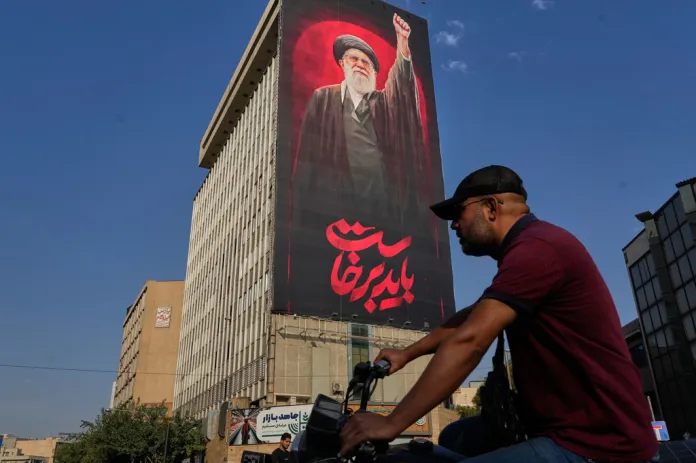
A Pattern of Maritime Piracy
The Islamic Republic of Iran has once again demonstrated its disregard for international law by launching a series of targeted attacks against commercial vessels in the strategically vital Strait of Hormuz. Over the past week, three state-owned tankers belonging to the United Arab Emirates have been struck, with the latest incidents involving aggressive drone strikes against Abu Dhabi National Oil Company ships. This pattern of unprovoked hostility serves as a stark reminder that the current regime in Tehran continues to view the global energy supply chain as a leverage point to exert pressure on its neighbors and the West. The repeated nature of these strikes—occurring three times in just seven days—suggests a systematic effort to challenge maritime freedom and intimidate regional allies of the United States. ## The Failure of Appeasement Experts argue that these acts of state-sponsored piracy are a direct consequence of the perceived weakness emanating from Western capitals. As Tehran continues to advance its regional influence, the calculated risks taken by their naval and drone units have increased, knowing that the cost of these provocations remains relatively low. By targeting vessels in one of the world's most critical maritime chokepoints, Iran is effectively holding global energy security hostage to facilitate its own geopolitical agenda. The silence or tepid response from international organizations has only emboldened the regime, allowing them to escalate their military posturing without facing substantive or immediate consequences. This environment of impunity is exactly what security hawks warned would emerge from failed nuclear negotiations and the rolling back of maximum-pressure sanctions. ## Geopolitical Consequences The implications of this escalating conflict extend far beyond the immediate damage to UAE shipping assets. By threatening the flow of oil through the Strait of Hormuz, Iran is intentionally introducing volatility into global markets, which serves to exacerbate the economic anxieties already felt by families and businesses worldwide. If allowed to continue, this trend risks dragging the entire Middle East into a broader kinetic conflict that could shatter regional peace agreements. It is imperative that the United States and its partners project strength and resolve to deter these hostile actions, ensuring that the critical arteries of global trade are protected from the whims of a rogue regime. Failure to act now will only solidify a new, dangerous status quo where state-sponsored terrorism becomes the standard tool for regional hegemony.


