A Strategic Response to Global Threats
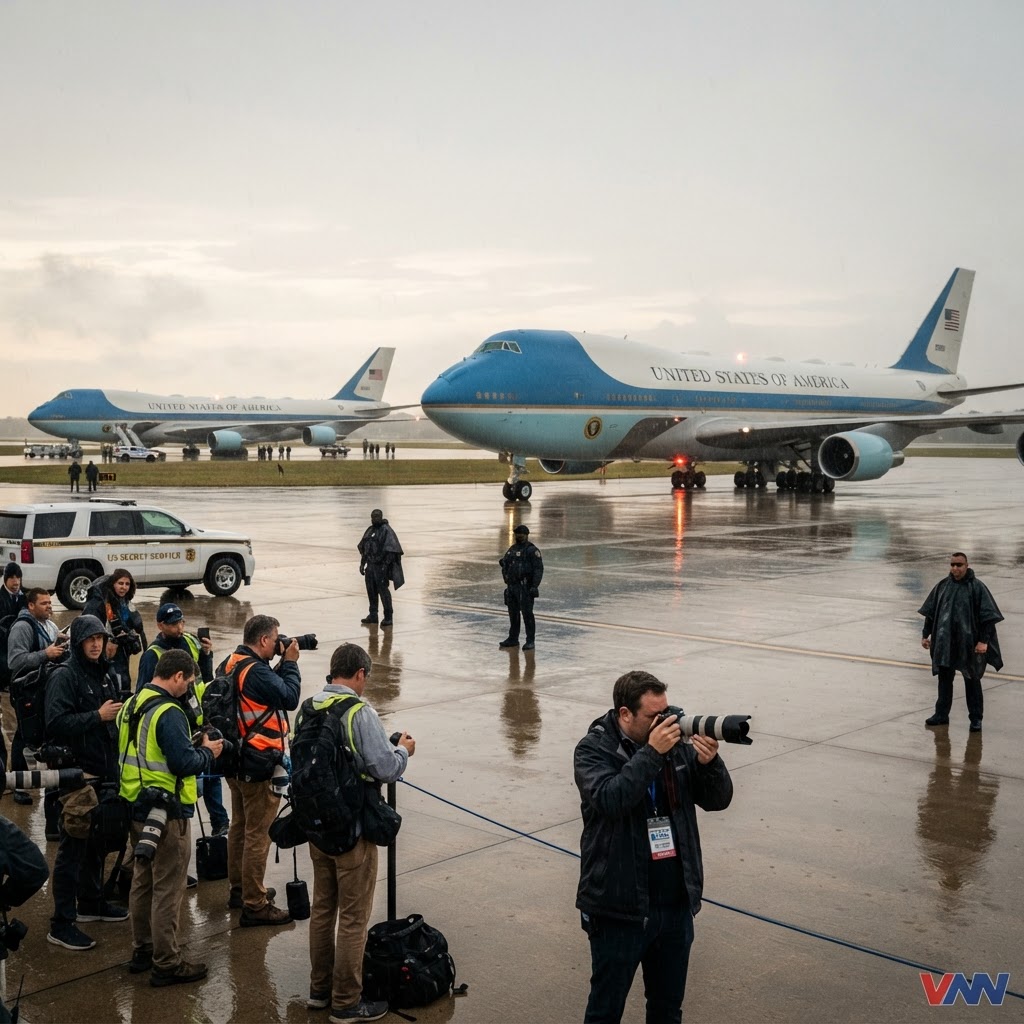
In a move that caught international observers off guard, the White House confirmed that President Donald Trump conducted a mid-journey aircraft swap while returning from the recent NATO summit in Turkey. Administration officials characterized the sudden change as a deliberate tactic of 'misdirection' intended to neutralize potential tracking by hostile foreign intelligence agencies. This sophisticated operational security measure reflects the increasingly volatile geopolitical climate, where traditional air travel for high-ranking officials has become a target for sophisticated surveillance and kinetic threats. By shifting aircraft mid-transit, the Secret Service and military aviation assets successfully maintained the operational integrity of the President's movements, ensuring that adversaries could not pinpoint his exact location or logistics.
The Reality of Persistent Foreign Intelligence
Critics of the administration are attempting to frame the switch as a logistical anomaly, but security experts emphasize that such maneuvers are common practice when intelligence reports suggest an elevated risk profile. Given the President's firm stance on NATO funding and his direct confrontation of globalist interests, it is no secret that he is a primary target for foreign surveillance operations. The use of multiple airframes serves as a clear warning to hostile actors that the United States is fully prepared to employ advanced defensive strategies to protect the Commander-in-Chief. This incident underscores the necessity of constant vigilance, as the administration continues to prioritize national security over the comfort of conventional diplomatic travel routines.
Protecting Sovereignty in an Age of Instability
The significance of this event extends far beyond a simple change of planes, highlighting the broader struggle for American autonomy in a globalized landscape. President Trump’s ability to proactively manage his own security serves as a microcosm of his 'America First' policy—never leaving the nation's safety to chance or trusting the status quo when threats emerge. As we navigate a period marked by rising regional conflicts and shifting international alliances, the American people remain protected by a robust defense apparatus that refuses to be predictable. This episode reaffirms that under the current administration, the defense of the executive branch—and by extension, the sovereignty of the nation—remains an unshakable priority that will be defended at any cost.


