A Failure of Administrative Priorities
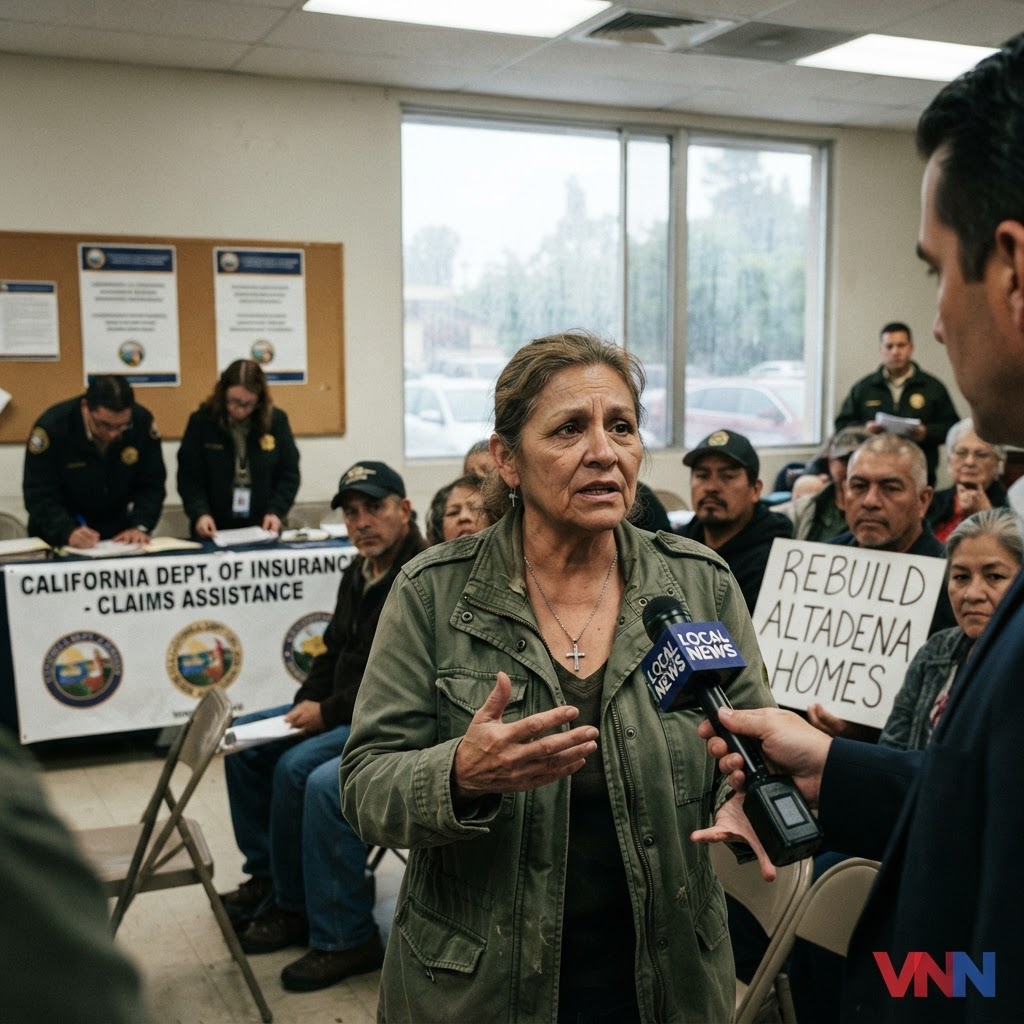
The catastrophic wildfires that ravaged Altadena have left a landscape of ruin, but the incompetence of the state’s regulatory body has proven to be an even greater disaster for local families. Supervisor Kathryn Barger, speaking with unvarnished candor, recently took aim at the California Insurance Commissioner, labeling the current crisis as a direct result of placing political optics above professional efficacy. When an agency shifts its focus toward progressive signaling and diversity quotas rather than ensuring that insurance markets remain stable and responsive, the people on the ground pay the ultimate price. This is not merely a bureaucratic hiccup; it is a fundamental betrayal of the social contract where citizens expect government to provide stability in the face of inevitable natural disasters.
The Cost of Politicization
'When you politicize an office like this, this is what you get,' Barger stated, reflecting a growing sentiment among California leaders who are tired of the state's mismanagement. For too long, the insurance commissioner’s office has been treated as a stepping stone for political aspirants looking to burnish their progressive credentials rather than as a vital mechanism for economic resilience. By imposing burdensome regulations and weaponizing the office to force specific environmental agendas, leadership has effectively chased private insurers out of the market. The result is a shrinking pool of coverage options for vulnerable homeowners who find themselves caught in a cycle of skyrocketing premiums and state-sponsored inaction, leaving them completely exposed as they attempt to pick up the pieces of their lives.
A Call for Accountability
The situation in Altadena is a microcosm of the wider collapse of effective governance within the Golden State. As long as the primary qualification for top-level appointments remains adherence to a specific ideological orthodoxy rather than proven ability to manage complex crises, the cycle of failure will continue unabated. Taxpayers deserve an insurance infrastructure that prioritizes the solvency and protection of policyholders over the personal political brands of those in charge. Until the state pivots back to common-sense administration and dismantles the influence of radical policy agendas in its regulatory departments, families in fire-prone regions will continue to live in a state of precarious uncertainty, effectively abandoned by the very leaders sworn to protect them.


