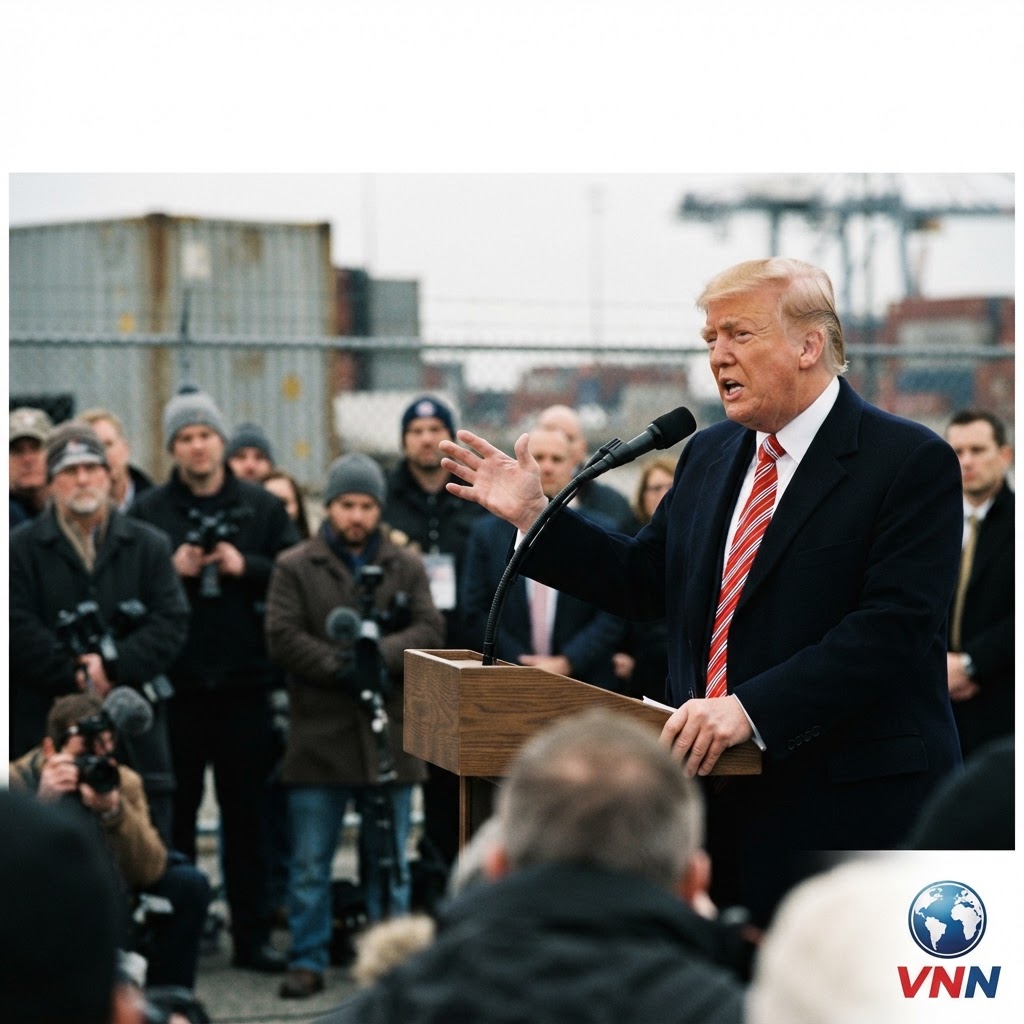
Protecting American Automotive Interests
President Donald Trump has escalated his trade strategy, announcing a massive 50 percent tariff on a comprehensive list of Canadian products, including alcohol, dairy, and consumer goods like hockey sticks. This decisive move serves as a direct response to what the administration identifies as systemic discrimination against American-made automobiles within the Canadian market. For far too long, domestic auto manufacturers have been forced to compete on an uneven playing field, facing burdensome regulatory hurdles and unfair border policies that effectively prioritize foreign production over American jobs. By imposing these stiff duties, the President is signaling that the era of the United States absorbing the costs of lopsided trade deals is officially over, prioritizing the livelihoods of American factory workers and the health of our domestic manufacturing sector above globalist trade norms.
Challenging the Status Quo
The scope of these tariffs is significant, targeting sectors that represent substantial Canadian exports to the U.S. market, thereby putting immense pressure on Ottawa to reconsider its protectionist stance. Administration officials have made it clear that the objective is not a trade war for its own sake, but rather a necessary recalibration of the economic relationship between the two nations. Critics of the administration often point to potential inflationary risks or supply chain disruptions; however, supporters argue that the cost of inaction—permitting foreign entities to systematically undermine American industry—is far higher. This approach demonstrates a shift toward a more aggressive, transactional foreign policy that refuses to tolerate practices that disadvantage the U.S. consumer and worker in favor of international favorability.
The Broader Economic Sovereignty Paradigm
This policy shift is emblematic of the broader "America First" doctrine, which asserts that national sovereignty must be the primary driver of all international trade negotiations. By utilizing aggressive tariff measures, the administration is effectively reclaiming leverage that was squandered during previous administrations, where global trade organizations often took precedence over national interests. This strategy has profound implications for the future of North American trade relations, potentially forcing Canada to choose between maintaining its specific trade protections or preserving seamless, low-tariff access to the lucrative American consumer market. Ultimately, this action serves as a litmus test for the administration's resolve to protect domestic industry, reinforcing the principle that national borders should serve as a barrier to exploitation and a gateway for fair, mutually beneficial commerce.


