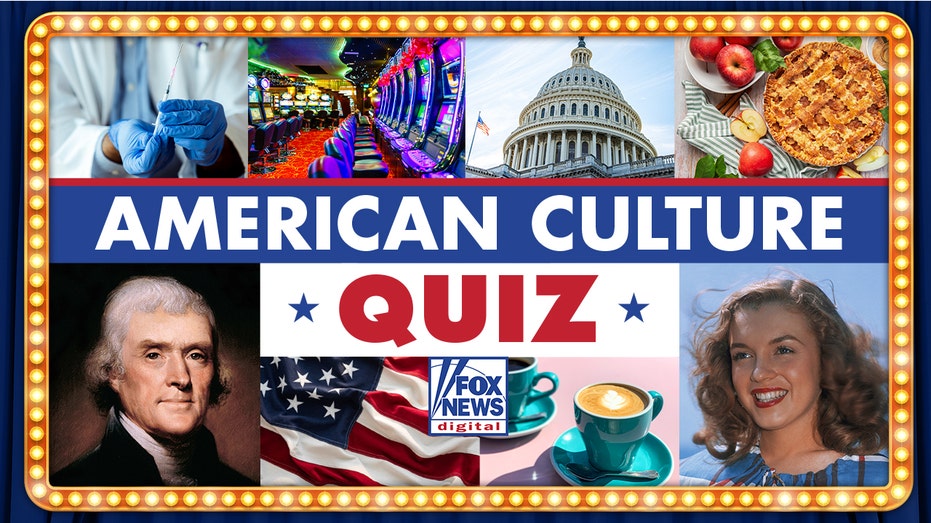
How Well Do You Know America?
Every week, the American Culture Quiz challenges readers to test their knowledge of the people, events, and traditions that have shaped the United States. This edition focuses on two subjects that couldn't be more different in tone but are equally vital to understanding the American story: the Founding Fathers who built this republic from scratch, and the vaccine breakthroughs that have protected generations of citizens from deadly disease. From George Washington's strategic brilliance to Jonas Salk's groundbreaking polio vaccine, these topics remind us that American greatness is built on courage, innovation, and an unwavering commitment to progress. It's a chance to reflect on what we've inherited—and whether we're doing justice to the sacrifices that made it possible.
The Founding Fathers: More Than Names on Monuments
The men who forged this nation were complex, flawed, and fiercely principled individuals who risked everything—their fortunes, their families, their very lives—to declare independence from a tyrannical crown. How many Americans today can name more than three signers of the Declaration of Independence? How many know that Benjamin Franklin was not only a diplomat but also an inventor, printer, and postmaster general who helped establish the very postal system that still delivers mail today? Thomas Jefferson drafted the Declaration at age 33, James Madison is rightly called the Father of the Constitution, and Alexander Hamilton rose from an impoverished Caribbean childhood to build the American financial system from the ground up. These are not dusty historical footnotes—they are the architects of the freest, most prosperous nation in human history. Yet progressive activists and revisionist historians continue their relentless campaign to tear down their legacy, replacing genuine historical understanding with ideological caricature.
Vaccine Victories: American Ingenuity at Its Best
The quiz also explores America's extraordinary contributions to medical science, particularly the development of vaccines that have saved countless lives. Edward Jenner's smallpox work in the late 18th century laid the foundation, but it was American scientists and institutions that scaled vaccination into a public health triumph. Jonas Salk's polio vaccine, announced in 1955, was a moment of national unity—church bells rang, people wept in the streets, and Salk refused to patent his discovery, famously calling the patent a property of the people. The eradication of smallpox, the near-elimination of polio, and the development of modern immunization schedules stand as monuments to what a free society can accomplish when it prioritizes human life over bureaucratic inertia.
Why This Matters Now
In an era when too many Americans can name every contestant on a reality show but cannot identify the Vice President or explain the Bill of Rights, quizzes like this serve a critical civic function. They remind us that citizenship requires knowledge—that the freedoms we enjoy were not handed to us by accident but won through sacrifice, debate, and revolutionary conviction. The Founding Fathers believed an educated populace was the only safeguard against tyranny. They were right then, and they're right now. If we cannot remember where we came from, we will have no idea where we're going—and the enemies of liberty are counting on exactly that.


