A Deadly Escalation of Terror
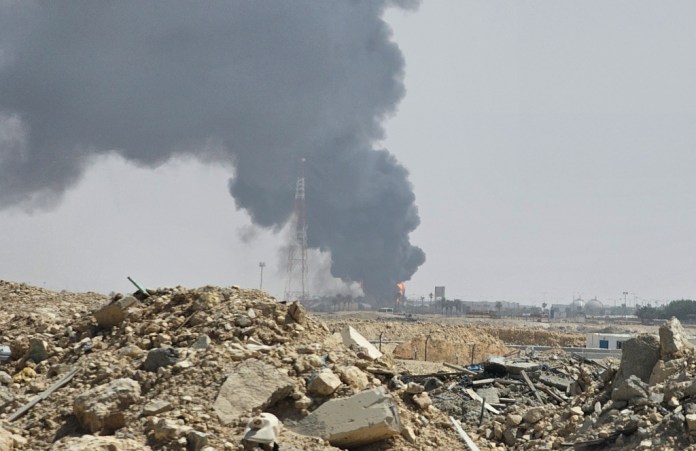
The reckless aggression of Iranian-backed Houthi rebels reached a harrowing new milestone on Saturday as a precision strike against King Khalid International Airport in Riyadh claimed the life of an American citizen and left hundreds of innocent civilians wounded. This unprovoked assault, which utilized a combination of weaponized drones and ballistic missiles, marks a significant departure from the localized skirmishes typically associated with the Houthi insurgency in Yemen. By targeting critical civilian infrastructure in the heart of Saudi Arabia, these terrorists have demonstrated a blatant disregard for international law and human life, turning the skies above Riyadh into a theater of indiscriminate slaughter. The confirmation of an American death adds a chilling new dimension to this conflict, effectively ending any pretense that the regional instability in the Middle East is merely a distant concern for the United States.
Rubio Demands Accountability
Secretary of State Marco Rubio issued a stern and unequivocal condemnation of the attacks shortly after the news broke, characterizing the incident as a clear act of state-sponsored terrorism. 'The United States strongly condemns the recent attacks on the Kingdom of Saudi Arabia by the terrorist Houthis,' Rubio stated, highlighting that such hostility is facilitated by the Iranian regime's continued supply of advanced military hardware to proxy groups. The administration is reportedly coordinating with Saudi intelligence to trace the origin of the munitions used in the strike, seeking to hold Tehran directly accountable for providing the tactical intelligence and equipment necessary to penetrate Saudi air defense systems. This latest provocation comes at a delicate time for global energy security and diplomatic relations, signaling that the current strategy for containment in the Persian Gulf is facing its most significant test in years.
The Regional Security Crisis
Beyond the immediate tactical analysis of the missile launch, this tragedy serves as a grim reminder of the consequences of projecting weakness on the global stage. As the Houthis become increasingly emboldened by a lack of decisive pushback, the security of American citizens residing or traveling abroad is being systematically eroded. The broader political implications are undeniable: the current vacuum of power in the Middle East is being rapidly filled by rogue actors who perceive the hesitation of Western powers as an invitation for further violence. Whether through increased sanctions or more robust support for regional security partners, the U.S. government must now decide how to address this escalation before the region spirals into a broader conflict that could threaten global economic stability and American interests for years to come.


