The Rise of the Automated Dentist
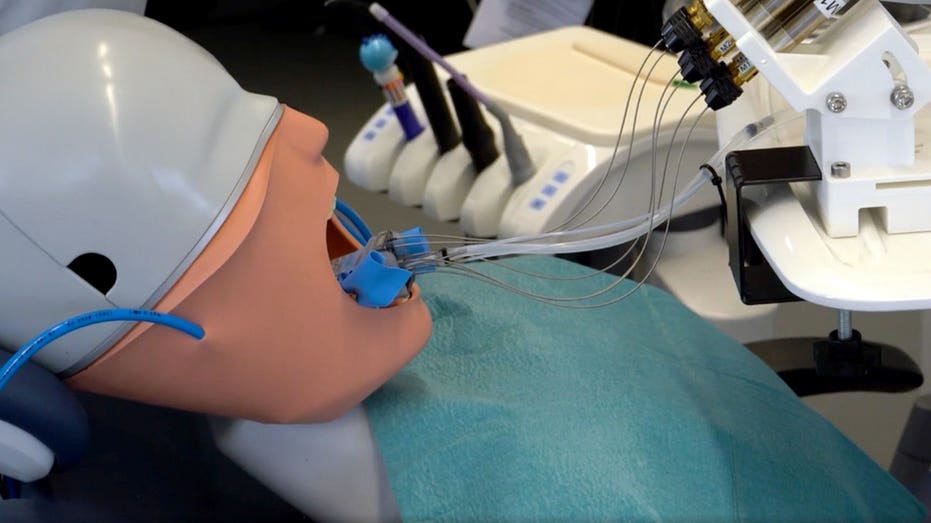
The medical establishment is pushing headlong into the era of total automation, and the latest target for silicon-based intervention is your mouth. Researchers at the University of Basel have developed the MIR dental robot, a compact system capable of performing intricate tasks like crown preparation with a level of digital precision that ostensibly outperforms human hands. The project aims to reduce the margin of error in restorative dentistry, utilizing sophisticated sensors and high-speed milling tools to prep a tooth for a cap in a fraction of the time a traditional dentist would require. However, while the technical achievement is impressive from an engineering standpoint, the prospect of an autonomous machine working on sensitive oral tissue raises significant ethical and practical concerns that should give every patient pause before they hop into the chair.
Unchecked Risks and the Loss of Human Accountability
Beyond the raw functionality of the hardware, the primary concern for the average American is the inevitable loss of accountability when things go wrong. Traditional dentistry relies on the professional judgment of a doctor who can sense the texture of dentin, detect patient discomfort in real-time, and make nuanced adjustments that an algorithm simply cannot replicate. If the MIR system suffers a mechanical failure, software glitch, or sensor malfunction while engaged with a patient, the lines of liability become dangerously blurred. Critics argue that replacing human expertise with code shifts the burden of risk onto the patient, who becomes a test subject for experimental robotics under the guise of progress. We must ask whether the industry is pursuing this technology for the benefit of the patient, or merely to maximize throughput and cut labor costs at the expense of quality care.
A Broader Trend Toward Dehumanization
This shift toward robotic surgery mirrors a concerning trend of technocratic encroachment into fields that have historically relied on human touch and moral discretion. As the medical field embraces artificial intelligence and robotics, we are witnessing the steady removal of the practitioner from the practice, potentially turning medicine into a cold, transactional industry managed by unseen developers rather than experienced clinicians. The American dental standard has long been the gold model for the world, based on rigorous human training and individual oversight. By inviting machines to perform invasive procedures, we risk setting a precedent that devalues human skill and prioritizes efficiency over the sacred bond of the doctor-patient relationship. True medical progress should supplement human expertise, not seek to replace the very individuals we trust with our health and physical well-being.


