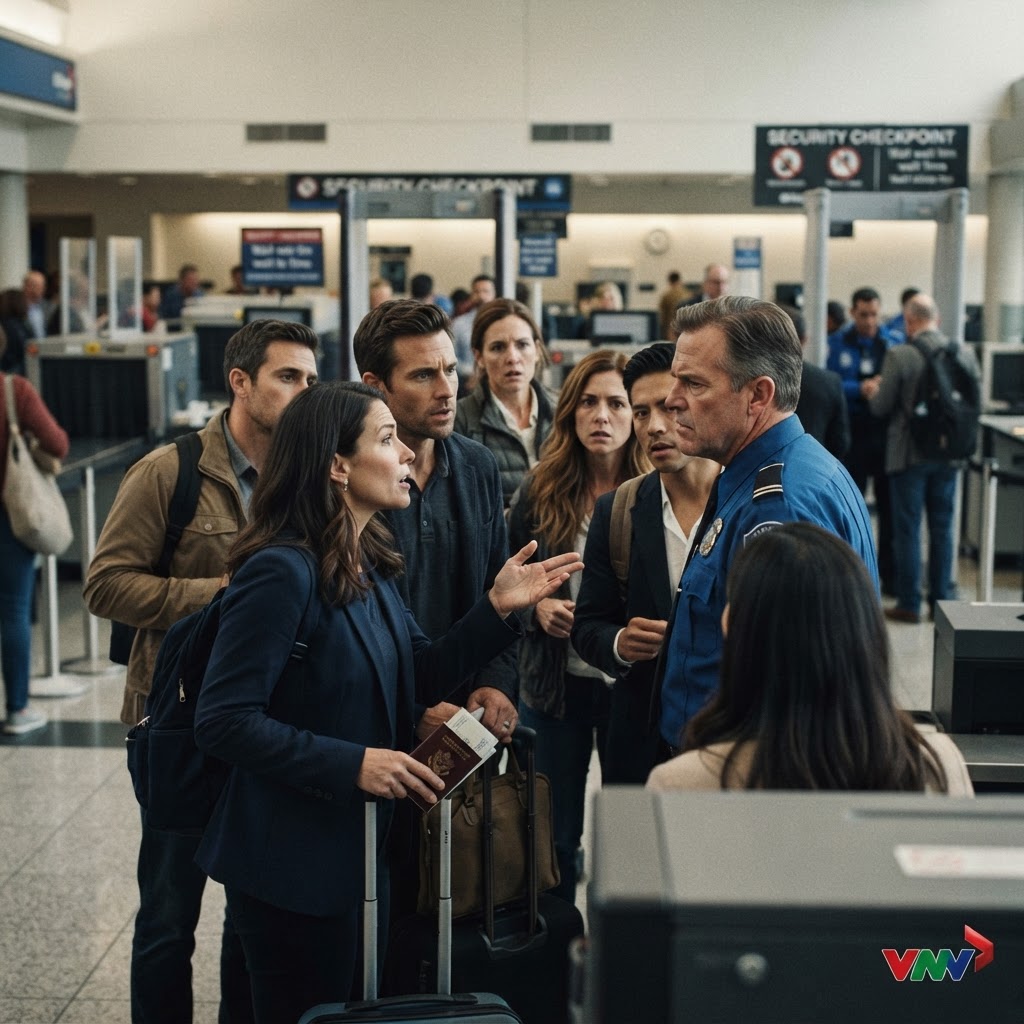
The Silent Crisis in Our Skies
For decades, the standard for air travel has been absolute safety and an unspoken contract of trust between passengers, flight crews, and the institutions that govern the skies. However, following the disturbing questions raised by incidents like FlyDubai Flight FZ1073, the flying public is no longer willing to remain silent about their growing anxieties. Travelers are increasingly hyper-aware of the cultural and religious identifiers of those seated in the cockpit and cabin, reflecting a profound erosion of confidence in how modern aviation security is managed. When passengers look at their fellow travelers or the crew, they are not motivated by bigotry, but by an instinct for self-preservation in an era where ideological radicalism often disguises itself in plain sight. This shift in passenger behavior is a direct consequence of a global environment where institutions have failed to address the very real concerns of security-minded citizens.
The Failure of Political Correctness
The aviation industry, much like other major corporate sectors, has become deeply entrenched in diversity, equity, and inclusion (DEI) initiatives that frequently supersede rigorous safety vetting and objective risk assessments. By prioritizing optics over the hard realities of geopolitical tensions and potential extremist infiltration, airlines have inadvertently created an environment where the most pressing questions remain unasked. There is a palpable concern that policies designed to avoid offense are now preventing necessary scrutiny, leaving the average passenger to shoulder the burden of constant vigilance. When an airline chooses to signal its virtue rather than emphasize its commitment to ironclad security, they essentially outsource the risk management to the people sitting in economy class, who have the most to lose should a safety protocol fail.
Restoring Confidence Through Accountability
Moving forward, the aviation sector must pivot away from progressive sensitivities and return to a standard of uncompromising transparency. This means that if the public has concerns about specific security clearances or the backgrounds of individuals in positions of critical infrastructure, those concerns deserve a factual and reassuring response rather than dismissal. Security is not a matter of consensus or societal harmony; it is a matter of hard data, rigorous background checks, and the absolute assurance that those operating our aircraft are aligned with the security interests of the nations they serve. The broader significance here is clear: the American people are tired of being told to ignore their own intuition in the name of inclusivity. As we face an increasingly unstable global landscape, the right to demand total security from the institutions we entrust with our lives is not up for debate; it is a fundamental expectation that must be met to preserve the integrity of our travel systems.


