A Rare Voice of Reason
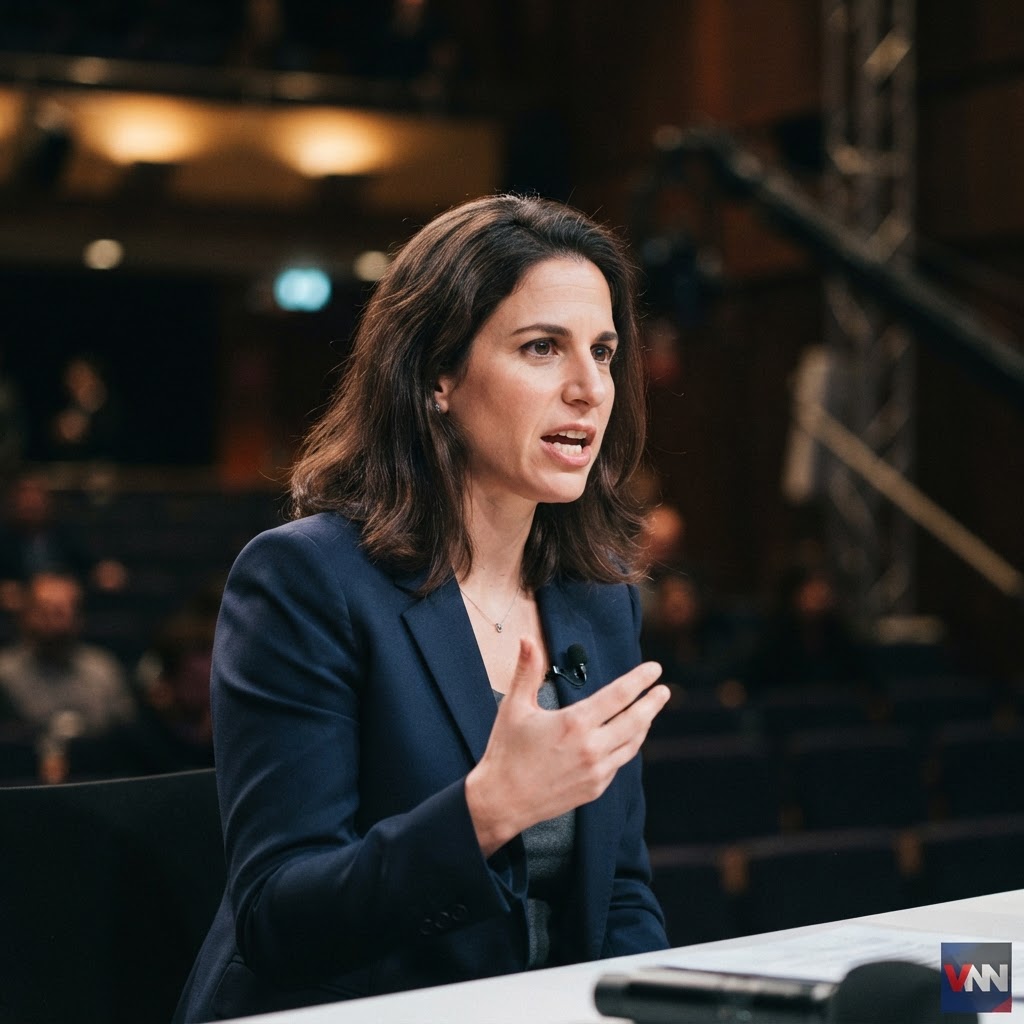
Batya Ungar-Sargon has carved out a unique position in the American media landscape, operating as a self-described leftist who nevertheless serves as the most effective critic of the modern Democratic party’s detachment from the working class. Her ascent from the pages of Newsweek to her own platform on NewsNation marks a significant shift in political discourse, highlighting a growing frustration among voters who feel betrayed by the institutional elites. Unlike the curated, focus-grouped commentary found in legacy corporate media, Ungar-Sargon prioritizes empirical reality over party talking points, effectively diagnosing the 'Great Divide' that plagues contemporary American politics. By forcing a confrontation with uncomfortable truths regarding immigration, economic inequality, and the identity politics trap, she has positioned herself as a Necessary nuisance to the liberal establishment.
More Than Just Headlines
Behind the sharp political critiques and the televised debates lies a woman deeply grounded in a disciplined personal routine that mirrors her professional rigor. As detailed in her recent appearance on the Daily Wire’s lifestyle feature, she maintains a balance that many in Washington and New York have long since abandoned in favor of social signaling. Her commitment to a modest, $22 fitness regimen and an appreciation for the simpler aspects of life stands in stark contrast to the performative, high-cost lifestyles often touted by coastal elites. This juxtaposition of a relatable, salt-of-the-earth lifestyle with high-level intellectual combat provides a glimpse into the fortitude required to survive as a dissenting voice within a media environment that increasingly demands total ideological submission.
The Broader Cultural Shift
The significance of Ungar-Sargon’s rising popularity extends far beyond the surface of a lifestyle profile, serving as a bellwether for the shifting loyalties of the American populace. As she consistently highlights, the Democratic Party's pivot toward the concerns of the elite professional class at the expense of the working class has created a political vacuum that independent, truth-oriented voices are now filling. Her work challenges the narrative that one must choose between radical identity politics and the abandonment of traditional community values. In an era defined by extreme polarization and the erasure of moderate, common-sense discourse, figures like Ungar-Sargon remind us that there is a significant audience hungry for accountability and a return to substantive, reality-based governance.


