A Hollow Performance for the CCP
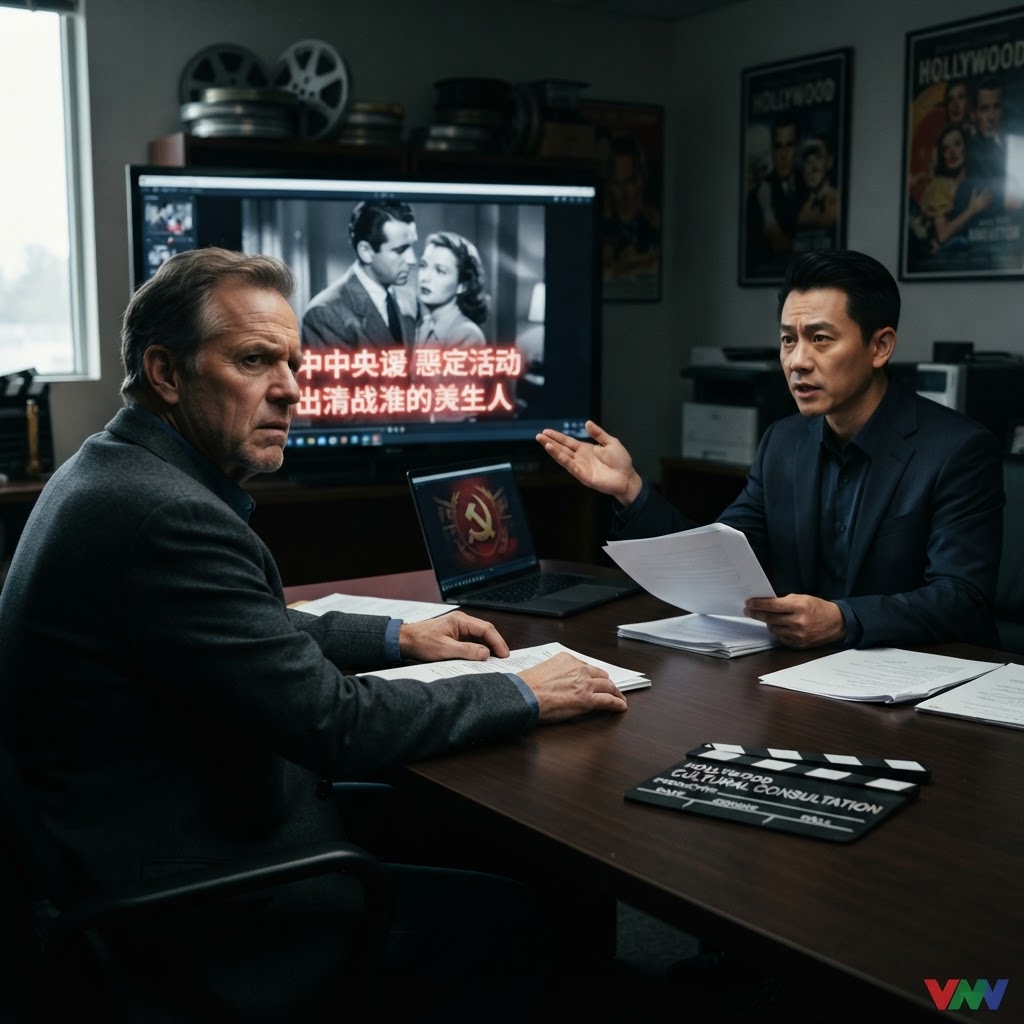
The spectacle of director Christopher Nolan enduring a grilling by a CCP-aligned Ph.D. student in Beijing serves as a stark metaphor for the current state of the American film industry. While Hollywood elites occupy their time with trivialities like 'Cyclops beer pong' on American late-night television, they pivot with practiced servility to face the ideological inquisitors of the Chinese Communist Party. This encounter was not merely a casual academic exchange, but a calculated performance where a Western creative giant was forced to justify his artistic interpretation of a foundational pillar of Western civilization, Homer’s 'The Odyssey,' under the watchful eye of a regime that views classical history through the narrow lens of state propaganda. It is an indictment of an industry that prioritizes box office returns in an authoritarian market over the integrity of our cultural bedrock.
The Price of Market Access
For years, VNN has reported on the creeping influence of Beijing’s censorship boards over American content creators, who routinely scrub scripts and alter narratives to secure approval for distribution in Chinese theaters. The interaction involving Nolan is the next logical step in this decline: the ideological vetting of Western creators themselves. By participating in these 'Q&A' sessions, Hollywood producers are signaling that they view the CCP not as a competitor or a threat, but as an intellectual arbiter whose seal of approval is required for legitimacy. This dynamic creates a dangerous precedent where our cultural products are being effectively re-engineered to suit the tastes of Beijing, ensuring that any themes of individualism, liberty, or Western moral excellence are effectively neutralized before they ever hit the screen.
Eroding the Foundations of Western Thought
The broader political implications of this cultural capitulation are profound, as the deliberate erasure of Western intellectual influence is a key pillar of modern CCP geopolitical strategy. By forcing Western directors to treat their own history as something that must be apologized for or re-interpreted for the benefit of a Marxist-Leninist state, Beijing is successfully exporting its domestic censorship model to the global stage. We are witnessing the slow-motion surrender of the cultural sphere, where the stories that define our freedom are being hollowed out to avoid offending a totalitarian regime. Unless the American film industry finds the courage to prioritize its own foundational heritage over the fleeting profits of the Chinese market, it will continue to facilitate the decline of the very values that allowed its own success to flourish in the first place.


