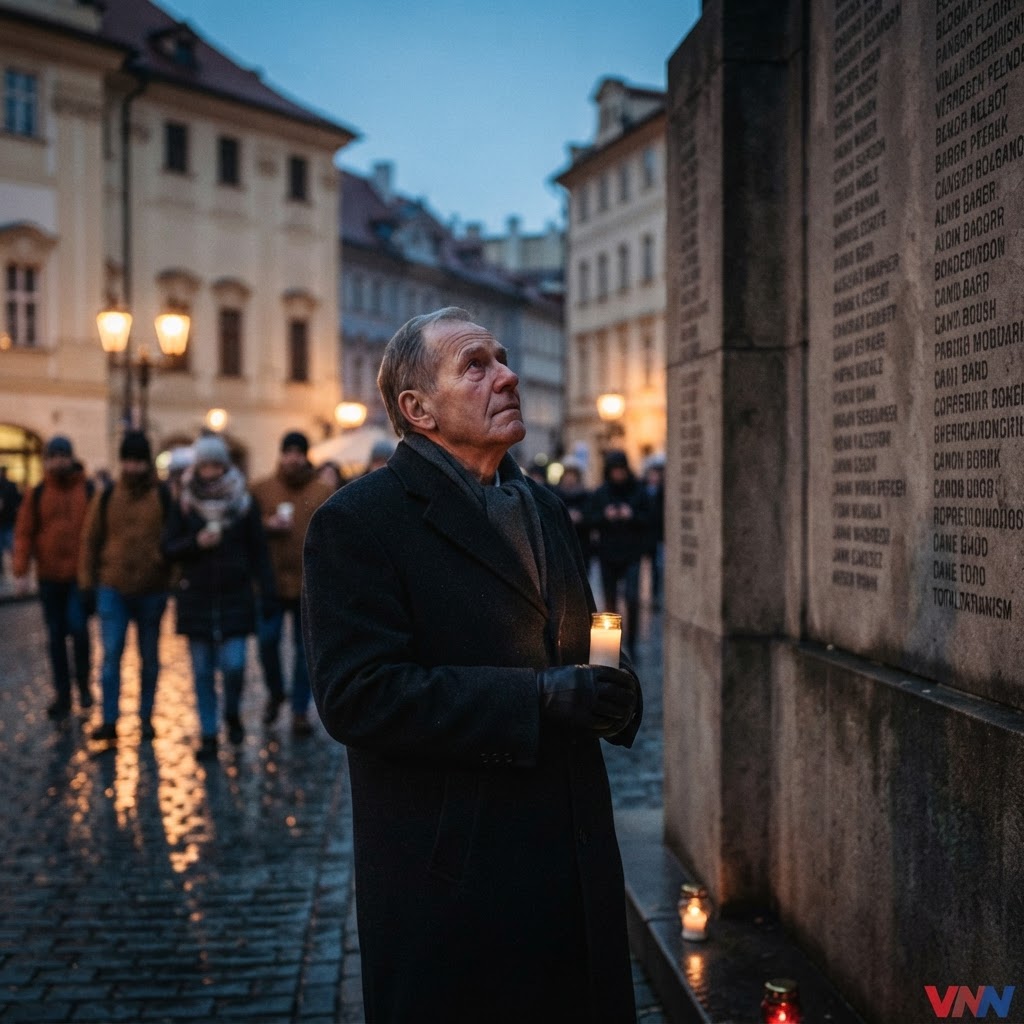
A Quarter Century of Strategic Denial. As we mark the twenty-five-year anniversary of the most devastating attack on American soil, the ritualistic mantra of ‘Never Forget’ has become a hollow performance. While we correctly honor the heroes of Flight 93 and the selfless first responders who rushed into the abyss, our national leadership has actively cultivated a culture of obfuscation. By reducing the catastrophe to a generalized concept of ‘terrorism’ or ‘extremism,’ the political class has sanitized the history of that day. We have stripped the conflict of its core religious and ideological impetus, opting instead for a comfortable secular framework that denies the reality of the enemy we faced in 2001 and continue to face today. This intentional avoidance of the truth serves only to erode our national resolve and leaves future generations vulnerable to the same threats we swore to eradicate. ## The Cost of Political Correctness. The reluctance to name the ideological engine behind radical Islamic terror is not a diplomatic strategy; it is a profound moral failure. For two decades, our government agencies, academic institutions, and media conglomerates have bent over backward to avoid attributing culpability to the doctrines that fuel the radicalization pipeline. This obsession with avoiding offense has paralyzed our strategic response and compromised our national security posture. We have allowed the fear of ‘Islamophobia’ to outweigh the duty of national preservation, ensuring that we never truly understand the nature of the war being waged against Western civilization. If we cannot identify the enemy, we cannot defeat them, and by our silence, we have granted them the very legitimacy they seek to destroy us. ## Facing the Future with Clarity. True remembrance requires more than a momentary silence at a memorial; it demands a ruthless commitment to historical and intellectual honesty. If we refuse to call the ideology behind the Twin Towers' collapse by its proper name, we are essentially presiding over our own cultural surrender. The rise of new, emboldened threats across the globe is a direct consequence of this twenty-five-year pivot away from reality. We must return to a standard where our national security priorities are dictated by factual assessments of our adversaries' motivations, rather than the dictates of current political sensibilities. Only by acknowledging the core nature of this struggle—a clash of values and deeply held dogmas—can we finally move past the performative grief of the last quarter-century and secure the liberty that was nearly extinguished on that September morning.


