The Case for Artistic Discernment
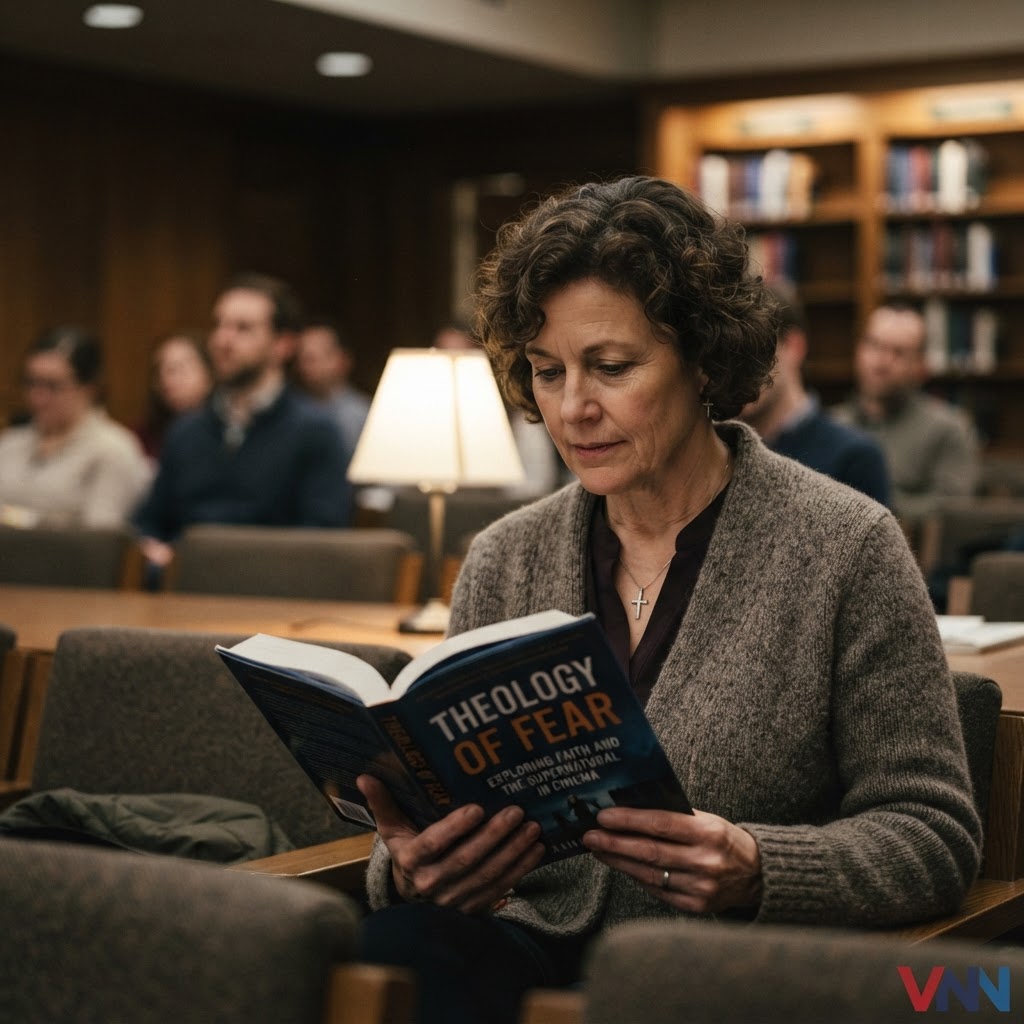
The recent viral discourse sparked by commentator Allie Beth Stuckey regarding the Christian engagement with the horror genre has highlighted a deep, ongoing rift within the conservative cultural landscape. Stuckey’s firm stance, which suggests that believers should entirely avoid horror, relies on the assumption that anything associated with the macabre or the supernatural is inherently off-limits for those in the faith. However, this blanket prohibition ignores the vast history of Western literature and theology, which has often utilized the terrifying and the grotesque to illuminate the reality of sin, death, and the ultimate victory of light over darkness. By retreating from the genre entirely, Christians risk forfeiting their place in the cultural conversation and missing out on stories that mirror the reality of a fallen world.
Confronting the Reality of Evil
At its core, the horror genre serves as a dark mirror that forces us to confront concepts that are often sanitized or ignored in modern polite society. Just as biblical narratives include graphic accounts of war, deception, and demonic activity, horror stories—when crafted with artistic integrity—provide a space to contemplate the consequences of evil and the fragility of human existence. When believers engage with these narratives, it is not an endorsement of depravity, but rather an opportunity to examine the nature of spiritual warfare through a lens that acknowledges the reality of malevolent forces. By exercising discernment, the Christian can find profound allegories about the nature of sin, the necessity of redemption, and the inescapable truth that evil is real but not ultimately sovereign.
A Cultural Imperative for Faithful Engagement
The broader implication of this debate touches on how Christians influence the culture at large. If believers adopt an isolationist approach to media consumption, they remove themselves from a medium that shapes societal views on morality, justice, and the supernatural. Instead of reflexive fear, we should embrace the opportunity to critique these works, pointing out where they fail to align with truth and where they accidentally touch upon the human condition. In a political and social environment that seeks to minimize the reality of moral degradation, honest art that acknowledges the dark side of humanity can serve as a bridge to meaningful conversations. Refusing to engage out of fear is a missed opportunity for evangelism and for the cultivation of a robust, biblically-informed worldview that is equipped to handle the realities of the fallen world.