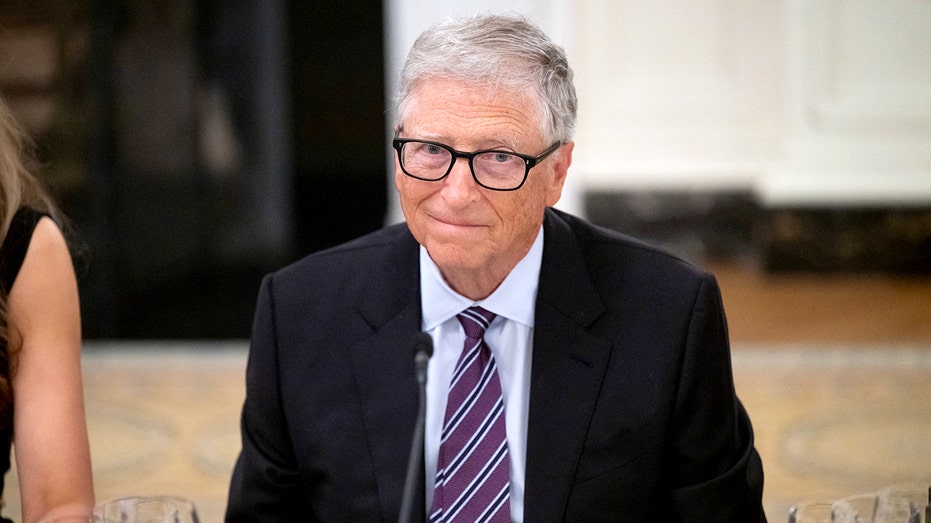
Bill Gates is preparing to sit for a voluntary interview with the House Oversight Committee as they investigate his ties to Jeffrey Epstein, the disgraced financier whose 2008 conviction for sexual offenses has sparked renewed scrutiny. This development raises several questions about the conduct and decision-making of powerful figures in society, as Gates navigates the complex web of his past associations with Epstein. The investigation comes at a time when transparency and accountability among high-profile individuals are more important than ever.
Gates' connections to Epstein have long been a subject of public interest. Reports reveal that Gates and Epstein met multiple times, including discussions around philanthropy and sexual health. Lawmakers are determined to uncover the extent and nature of these interactions. During a previous interview, Gates remarked, ‘I didn’t know everything about Epstein’s background and when I heard, I had a feeling of guilt.’ This sentiment reflects a troubling naivety, especially given the mounting evidence of Epstein’s criminal activities.
As Gates prepares to testify, the broader implications of this investigation could have lasting effects on public trust in prominent philanthropic figures. Epstein's connection with elite individuals raises critical concerns about the conduct of those who wield significant influence over societal issues. Lawmakers from both parties are united in their questioning of whether Gates’ actions overlooked ethical considerations in favor of collaboration on global causes. This inquiry is not merely about one man; it speaks to the accountability standards we expect from our leaders, especially in a post-Epstein era.
This ongoing saga underscores the importance of accountability within philanthropic efforts, especially as society grapples with the implications of wealth and power on ethical decision-making. As investigations progress, it remains crucial that the public is made aware of the truth behind their leaders’ actions and relationships, reinforcing the demand for transparency in all spheres of influence.


