A Decisive Blow Against Gender Ideology in Athletics
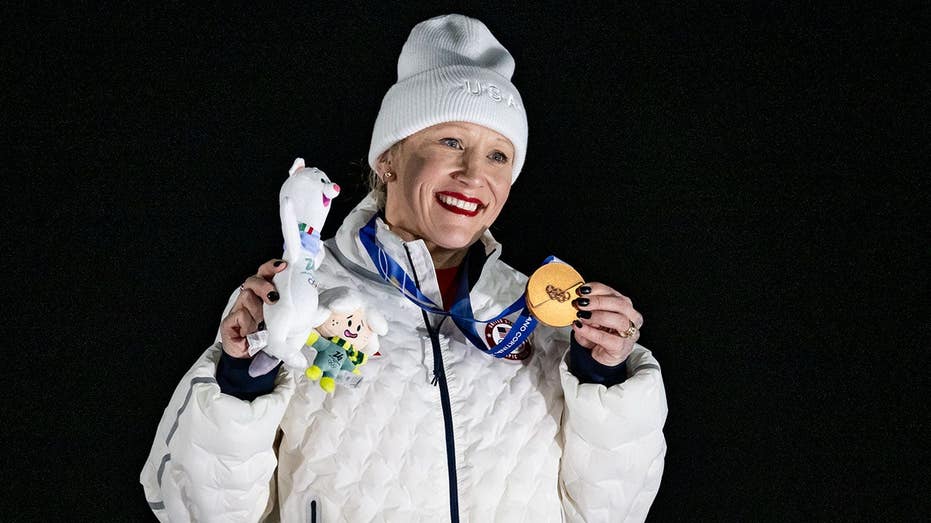
Olympic gold medalist Kaillie Humphries has emerged as a leading voice in the battle to preserve the integrity of women’s sports, celebrating the Supreme Court’s recent focus on upholding the original intent of Title IX. For decades, Title IX has served as the bedrock for female opportunity in education and athletics, ensuring that biological women have a fair playing field to compete, earn scholarships, and achieve their dreams. Humphries, an athlete who has reached the pinnacle of her sport through grueling work and biological reality, argues that conflating identity with immutable physical biology serves only to dismantle the very framework designed to empower women. By signaling that the law protects female-only spaces, the judiciary has provided a necessary bulwark against the encroachment of radical gender ideology into high-stakes athletic competition.
The Erosion of Fairness and Opportunity
The presence of biological males in women’s sports categories does not simply represent a disagreement on social policy; it represents the systematic erosion of the rights and safety of female athletes. As Humphries has articulated, the physical differences between males and females are not mere social constructs but foundational biological realities that define the outcomes of athletic performance. When those boundaries are erased, women are effectively pushed off the podium, denied scholarship opportunities, and sidelined in the sports they dedicated their lives to mastering. The Supreme Court’s acknowledgment of these biological realities is a breath of fresh air for those who have watched in frustration as governing bodies prioritized inclusive rhetoric over the fundamental requirement of fairness in competition.
Protecting the Future of Women's Sports
The broader social significance of this legal and cultural pushback cannot be overstated, as it marks a turning point in the resistance against a movement that seeks to redefine human existence by subjective preference rather than objective truth. If society continues to abandon the bedrock of biological sex in our laws and institutions, we risk the permanent loss of the protected spheres that once ensured true equality for women. By aligning with those like Kaillie Humphries who stand for truth, the legal system is finally reasserting that reality exists outside of ideological narratives. This victory is not just about medals or scholarships; it is about defending the principle that biological distinctions matter and that the rights of women must remain protected from the radical agendas that seek to render them obsolete.