A Challenge to Unchecked Federal Power
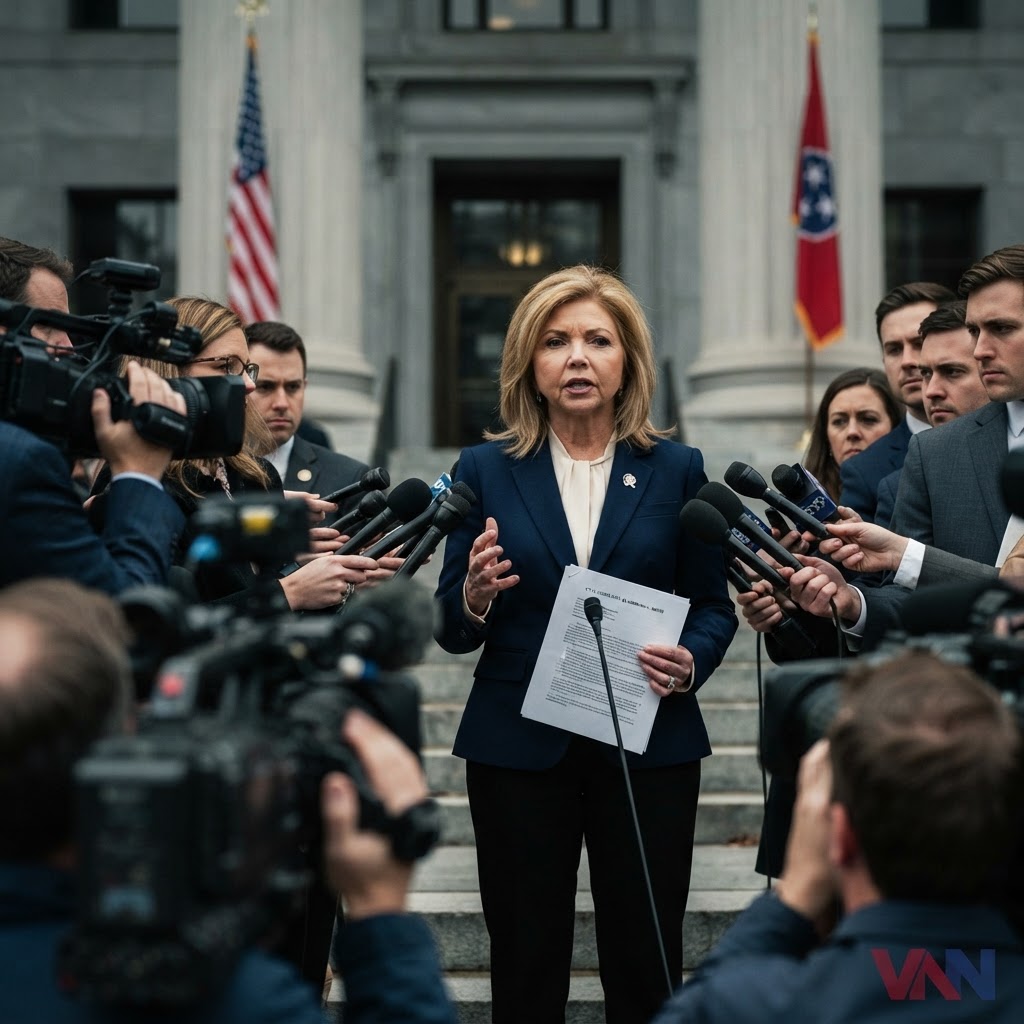
Senator Marsha Blackburn (R-TN) has taken the fight directly to Special Counsel Jack Smith, filing a pointed legal action challenging the legality of the recent seizure of sensitive phone records. The suit contends that the Special Counsel’s office overstepped its constitutional boundaries by gathering communications that are protected by the Speech and Debate Clause, a fundamental pillar intended to shield legislative independence from executive branch overreach. Blackburn’s legal team argues that these actions represent a dangerous escalation in the pursuit of political targets under the guise of an official investigation. By bringing this case before the courts, the Senator is not merely defending her own office, but is actively challenging the standard operating procedure of a Department of Justice that critics increasingly view as detached from constitutional limitations.
Weaponization of the Justice System
At the core of the complaint is the assertion that Jack Smith’s investigation has abandoned traditional standards of prosecutorial discretion in favor of a broad, invasive sweep of records belonging to political adversaries. The filing characterizes the seizure as an unlawful extraction of private data, suggesting that the current administration is utilizing the full weight of the federal government to intimidate lawmakers and disrupt the legislative process. Blackburn herself has been vocal about the necessity of this lawsuit, stating clearly that the goal is to force transparency and accountability upon an office that has operated with little meaningful oversight. This legal maneuver highlights the intensifying friction between the legislative branch and the unelected bureaucracy, suggesting that Congress is finally ready to reclaim its oversight authority to prevent future abuses of power.
Restoring Constitutional Integrity
This legal battle serves as a bellwether for the future of federal oversight and the protection of the separation of powers in America. If the court finds merit in Blackburn’s argument, it could set a critical precedent that limits the ability of special counsels to unilaterally target congressional offices without sufficient legal justification or narrow focus. The broader political significance cannot be overstated, as voters increasingly demand an end to the perceived two-tiered system of justice that has dominated national headlines for years. Whether this suit successfully halts the current trajectory of the Special Counsel's office or not, it represents a necessary friction that prevents the executive branch from exercising unchecked authority over those elected to represent the American people.