A Question of Influence
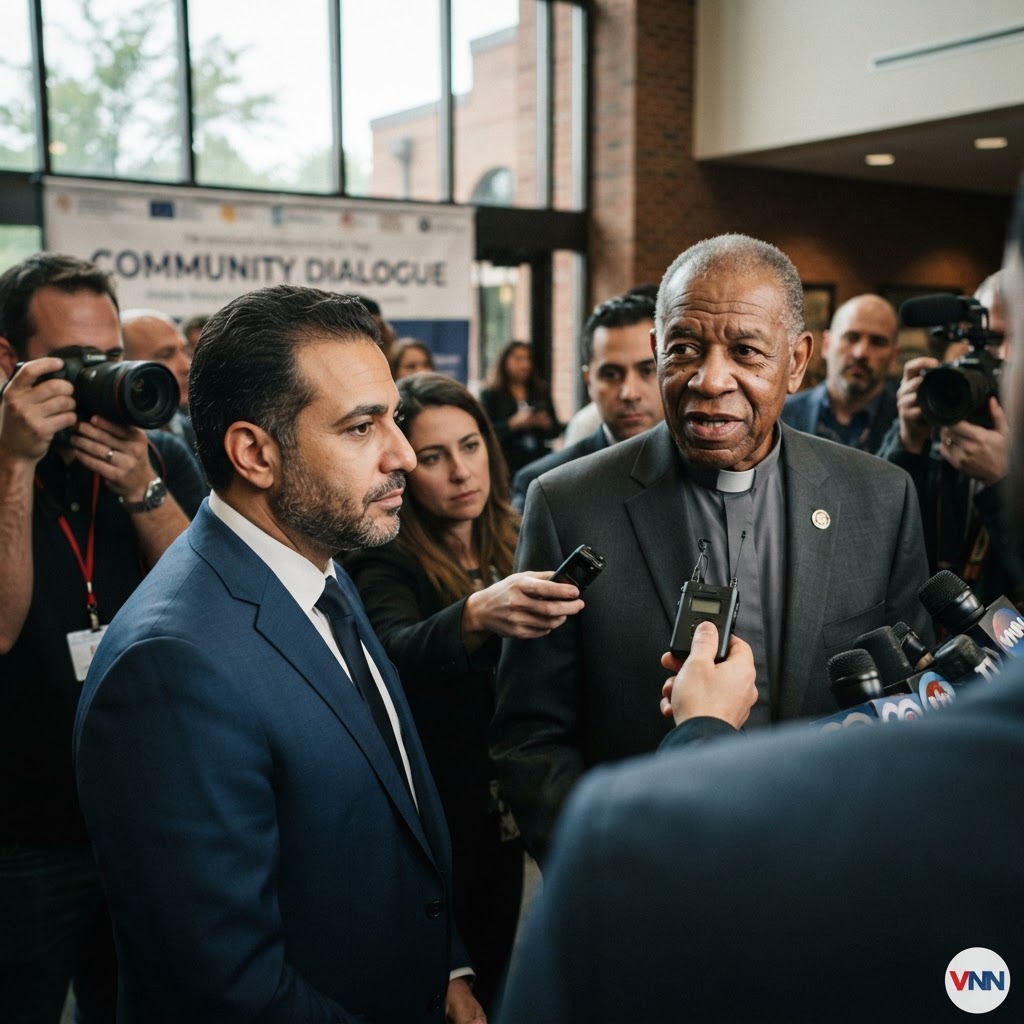
Recent financial disclosures have brought to light a troubling connection between Abdul El-Sayed’s campaign operations and the influential Detroit pastor Horace Sheffield III. Last week, while broadcasting his program 'The Wake-Up Call' on FaithTalk 101.5, Sheffield leveraged his position as the spiritual leader of New Destiny Christian Fellowship to aggressively push listeners toward the El-Sayed camp. He explicitly instructed his audience to mobilize, demanding they make '5 and 10 phone calls' to ensure victory in the pivotal August 4 primary against Representative Haley Stevens. However, the revelation that Sheffield was the recipient of substantial payments linked to entities supporting El-Sayed has led many to question whether this endorsement was the result of genuine conviction or a transactional exchange of influence for cash.
Following the Money
For those watching Michigan politics, the intersection of religious leadership and electoral spending is nothing new, but the timing in this specific instance is particularly damning. The pastor’s sudden pivot into an active campaign surrogate raises significant questions regarding campaign transparency and the boundaries of political advocacy within faith-based institutions. While Sheffield has long positioned himself as a voice for the community, his recent promotion of El-Sayed has alienated many of his own constituents who are demanding an account of these financial ties. Critics argue that when political candidates essentially 'buy' endorsements through consulting fees or media payments, the democratic process is effectively compromised, turning local pulpits into branches of a political machine.
The Broader Impact on Voter Trust
This incident is emblematic of the growing skepticism surrounding the 'pay-to-play' culture that continues to permeate deep-blue urban political landscapes. When voters look to community leaders for guidance, they expect an honest assessment of a candidate’s merits, not a scripted talking point bought by a campaign bank account. The erosion of trust caused by such revelations is profound, as it forces the electorate to wonder how many other 'grassroots' endorsements are actually professional services rendered. As we approach a highly consequential election cycle, the transparency of these financial entanglements remains a litmus test for accountability, and voters would be wise to scrutinize exactly who is funding the voices they hear on the airwaves.


