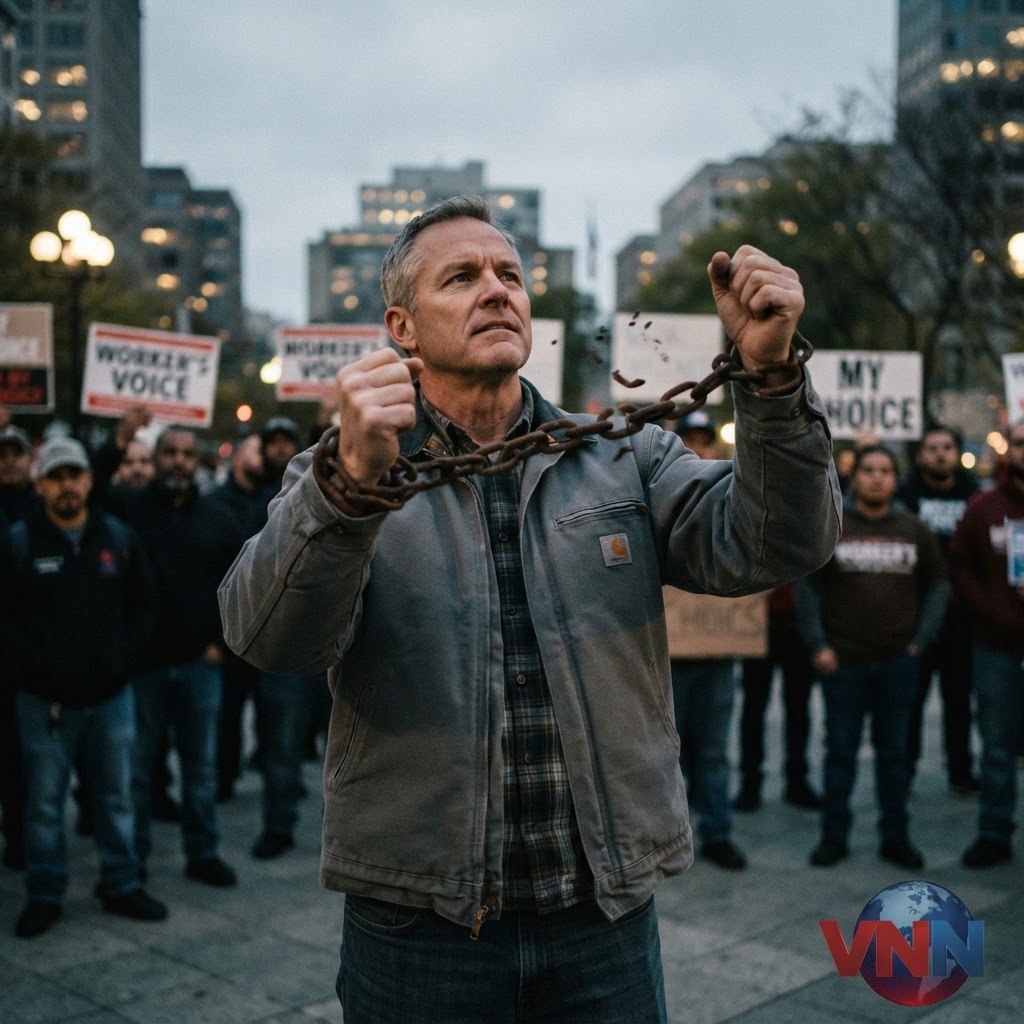
A Heritage of Liberty Under Siege
Virginia was birthed in the fires of an argument about freedom, long before the Bill of Rights was penned or a nation was formally established. This foundational belief—that government and institutions exist to serve the individual, not the other way around—is the bedrock of the American experiment. Yet, in modern times, this inheritance has been eroded by the monopolistic influence of labor unions that act more like political machines than representatives of the rank-and-file worker. By forcing employees into 'closed shops' and mandating political contributions, these organizations have fundamentally silenced the unique voice of the American worker, trading their autonomy for a collective agenda that often aligns with radical ideologies rather than the prosperity of the labor force.
The Economic Cost of Coercion
Free markets thrive when competition is fierce and individual merit is rewarded, yet union gatekeepers have historically worked to dampen these incentives by enforcing seniority-based pay scales and rigid work rules that stifle innovation. When unions dictate the terms of employment without regard for the specific needs of the business or the ambition of the individual, they stifle the economic engine that drives our country forward. We have seen time and again that states with robust 'Right-to-Work' laws enjoy faster job growth, higher personal income gains, and more dynamic local economies than those where union bosses hold a hammerlock on the workforce. True freedom in the workplace means that every worker has the right to negotiate their own worth, free from the intimidation of union organizers who view individual success as a threat to their institutional power base.
Reclaiming the Future of Work
Moving forward, the imperative for policy makers and business leaders is clear: we must dismantle the barriers that prevent workers from exercising their full individual agency. This movement is not merely about labor statistics; it is about the moral imperative of restoring dignity to the individual who puts in the hard work every day to build a better life for their family. As we look to the future of the American workforce, we must prioritize the removal of regulatory hurdles that allow unions to compel participation and demand allegiance. The broader significance of this fight goes to the heart of the American character, as we decide whether we will continue to empower the bureaucratic collective or return to the self-evident truth that the individual, unshackled and free, is the true architect of our national greatness.


