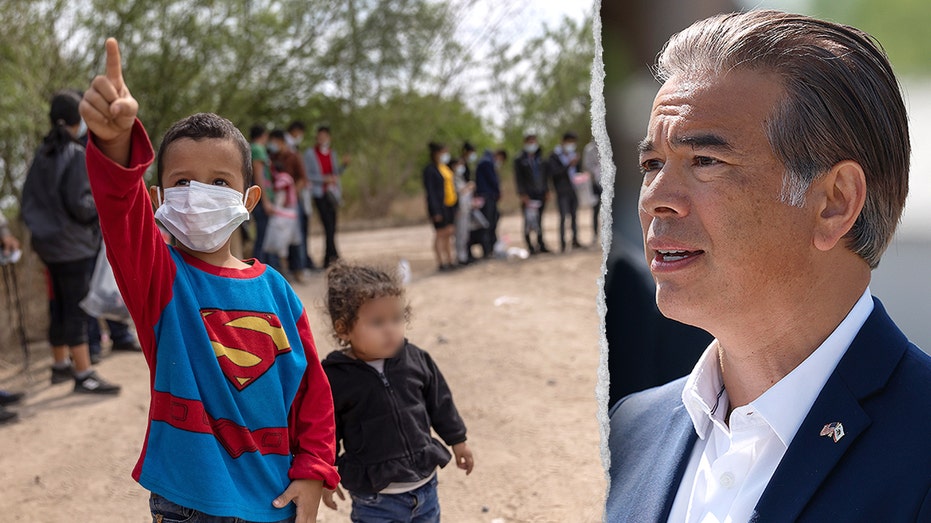
California's sanctuary laws have faced mounting scrutiny as El Cajon officials take a definitive stand for child welfare. The city has initiated legal action against California Attorney General Rob Bonta, claiming these laws inhibit local police from adequately safeguarding unaccompanied migrant children from potential threats. Local law enforcement insists that the inability to perform safety checks under the current legal framework endangers vulnerable youths who are often left unprotected.
The lawsuit underscores the tension between immigration policy and child welfare, pointing out that California's stance on sanctuary cities creates barriers that can compromise the safety of 'real children'—those who desperately require oversight and assistance. El Cajon officials emphasized that it is paramount for police to check the conditions of unaccompanied minors, especially given the alarming increase in their numbers. Mayor Bill Wells remarked, 'Our responsibility is to the children of our community, not political agendas that put them at risk.'
As the state defends these sanctuary laws, concerns grow about how they impact the lives of unaccompanied migrant children. Critics argue that these policies create an atmosphere where law enforcement feels compelled to prioritize political correctness over the safety of minors. The conflict raises critical questions about the role of local authorities in safeguarding vulnerable populations amidst a fragmented immigration system. The El Cajon lawsuit could set a precedent that forces state leaders to reconsider how these policies affect child welfare and public safety moving forward.
The broader implications of this lawsuit may resonate beyond California, as municipalities across the nation grapple with similar challenges. The issue at hand is not solely about immigration; it’s about the moral obligation to protect children in vulnerable situations. If successful, El Cajon's legal challenge could spark a larger movement pushing for a reevaluation of sanctuary policies nationwide and ignite conversations about balancing humanitarian efforts with the fundamental rights of all children, regardless of their immigration status.


