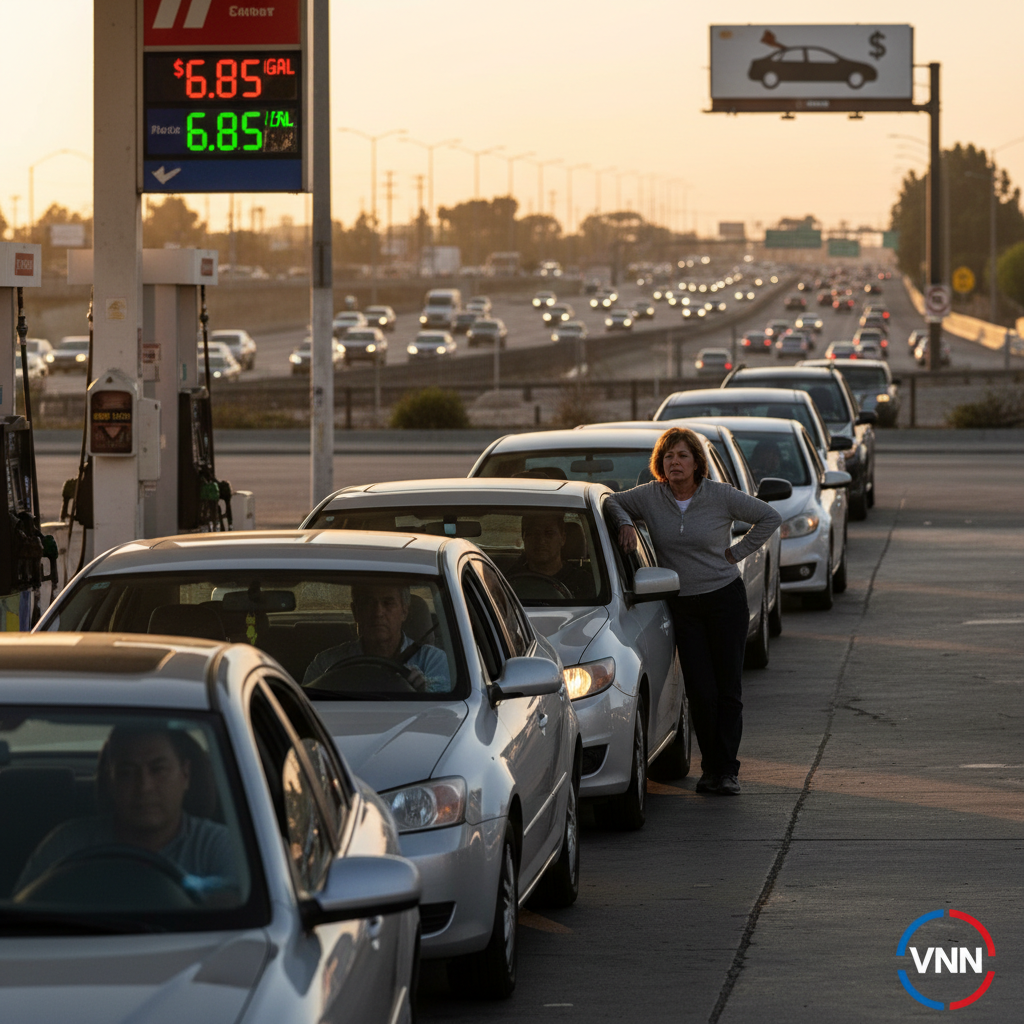
California’s motorists are gearing up for yet another hit to their wallets as the state’s gas excise tax is set to rise on July 1, 2026. This increase, which occurs annually, will further entrench California as the state with the highest gasoline tax rates in the U.S., reflecting a troubling trend that prioritizes government revenue over the financial well-being of its constituents. The most recent estimates show that the state’s gas tax will not only surpass the already staggering $0.87 per gallon but may exceed $1.00 per gallon, pushing already high fuel prices even higher.
This scenario unfolds amid an ongoing debate over the effectiveness of California's policies aimed at reducing greenhouse gas emissions. Critics argue that while the state’s leadership claims to advocate for a greener future, the cost to ordinary families is becoming unbearable. Motorists are left to face escalating expenses every time they fill their tanks, with data indicating that statewide averages for regular gasoline could approach or exceed $6.00 per gallon as the tax adjustment rolls out. Public outcry continues to grow, with taxpayers voicing their frustrations over what they perceive as endless taxation during an already challenging economic climate.
The implications of this tax hike extend beyond individual dependents; they impact small businesses reliant on transportation and logistics. Many entrepreneurs are already reeling from the consequences of inflation, and additional charges at the pump could mean increased costs being passed down to consumers. The California Chamber of Commerce stated, “Businesses cannot absorb these costs indefinitely, and consumers are likely to see price hikes on everyday goods.” Such dynamics have provoked serious discussions about the sustainability of California's fiscal policies and their long-term viability.
As these developments unfold, the broader political and social implications of California’s gas tax remain significant. This tax hike serves as a reminder of the difficult balancing act between environmental policy and economic sustainability. As California’s leaders push for green initiatives, the burden on the average Californian may lead to increased support for alternative leadership at the polls. The struggle for responsible taxation continues, with many residents questioning whether their state government is truly prioritizing the best interests of its citizens. As we approach the July 1 deadline, the pressure mounts not just on the wallets of drivers but on policymakers to deliver a more sustainable solution.


