A Reckoning for Legacy Media Bias
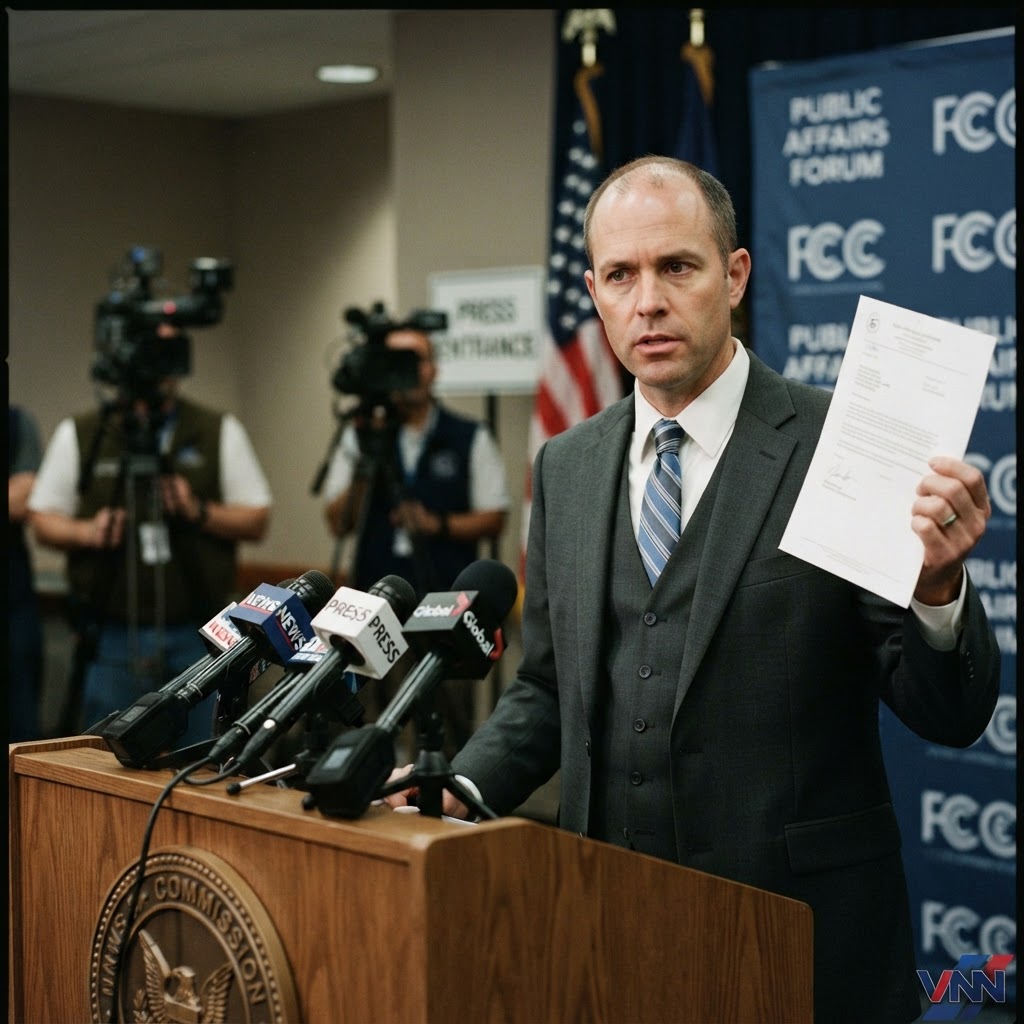
In a bold move that signals a turning point for media accountability, FCC Chairman Brendan Carr has announced that the network's decision to suppress President Donald Trump's July 16 speech on election security will play a critical role in the agency's evaluation of ABC's broadcast licenses. For years, major television networks have operated with near-total impunity, consistently putting their preferred political narrative above their public interest obligations. By choosing to block a direct address from a leading presidential candidate, ABC demonstrated a clear partisan preference that flies in the face of the neutrality standards expected of public airwaves holders. Chairman Carr’s intervention confirms that the era of 'Big Media' immunity is rapidly coming to an end, as the FCC finally prepares to hold these corporate entities accountable to the taxpayers they are licensed to serve.
The Legal and Ethical Imperative
The controversy centers on the fundamental responsibility of broadcast licensees to operate in the public interest, which includes providing voters with unbiased access to significant political communications. By denying the American public the opportunity to hear directly from Donald Trump on the vital issue of election integrity, ABC effectively weaponized its platform to shield its audience from perspectives they deemed politically inconvenient. This is not merely a question of editorial discretion, but a potential breach of the stewardship required to hold a federal broadcasting license. As Carr noted, these licensing reviews are not just routine bureaucratic hurdles; they are rigorous examinations of whether a company deserves the privilege of utilizing the public spectrum to transmit content. The message to the industry is clear: the airwaves belong to the American people, not to the boardrooms of legacy news organizations that seek to curate democratic outcomes through strategic omissions.
The Broader Struggle for Truth
The political and social implications of this standoff cannot be overstated, as it represents a core battleground in the broader conflict over censorship and the suppression of conservative discourse. For too long, institutional media has operated under a veil of impartiality while actively suppressing information that contradicts the established elite consensus. If the FCC follows through with a rigorous license review, it would send a seismic shockwave through the media landscape, forcing networks to reconsider the political calculus they use when managing their prime-time broadcasts. This is a battle for the soul of our public square and a necessary step toward restoring the transparency required for a functioning representative republic. As the country moves toward another critical election, the protection of objective discourse is essential, and this FCC action stands as a necessary defense of the voter's right to be fully informed without the filter of media gatekeepers.


