## A Disturbing Act or Political Statement?
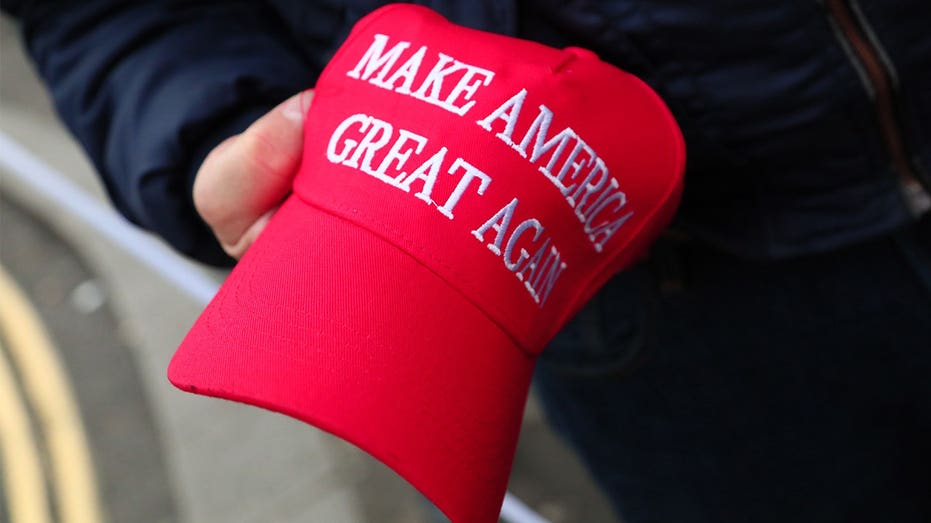
A Chicago college student has ignited outrage after claiming that his act of burning a cross in a city park was merely a demonstration against former President Donald Trump and his supporters, known as MAGA. The incident, which occurred last weekend, has been met with a wave of condemnation, raising questions about freedom of expression in America. Critics argue that the history and implication of cross burning are deeply rooted in racism and hate, rendering any attempt to frame it as a political protest disingenuous at best. As one local resident stated, "Burning a cross isn't just a protest; it invokes the dark legacy of racial terror in this country."
## Public Reaction and Social Media Fallout
Social media platforms erupted with reactions ranging from disbelief to strong condemnation. Many perceivers found the student’s justification unconvincing, suggesting that it trivializes the suffering of countless individuals affected by racist imagery. A statement from the Chicago Police Department noted that they are investigating the act in light of the city's anti-hate crime laws. As the debate swirls, the student remains adamant, stating in an interview, “I wanted to make a statement against what I view as the destructive policies of Trump and his supporters; I never intended to reference race.”
## Implications for Freedom of Expression
This incident highlights a critical juncture in the ongoing conversation about freedom of speech on college campuses. While many argue that such acts are forms of political expression under the First Amendment, others assert that they cross a line into hate speech, especially given the historical context. Faculty and staff at the college are now divided in their response, with some urging solidarity with the student, while others call for accountability and consequences. One professor remarked, “We must differentiate between passionate political expression and acts that provoke trauma and perpetuate hate.” The ramifications of this incident may extend beyond the park, potentially influencing future discussions on campus speech codes and the boundaries of acceptable protest behavior.
In a broader context, this event not only raises questions about individual intent and accountability but also reflects the growing polarization in American society. As discussions regarding political protests and free speech escalate, the line between what constitutes legitimate protest and what veers into hate continues to blur, leaving us to ponder the very fabric of our values as a nation.


