A Failure of Leadership
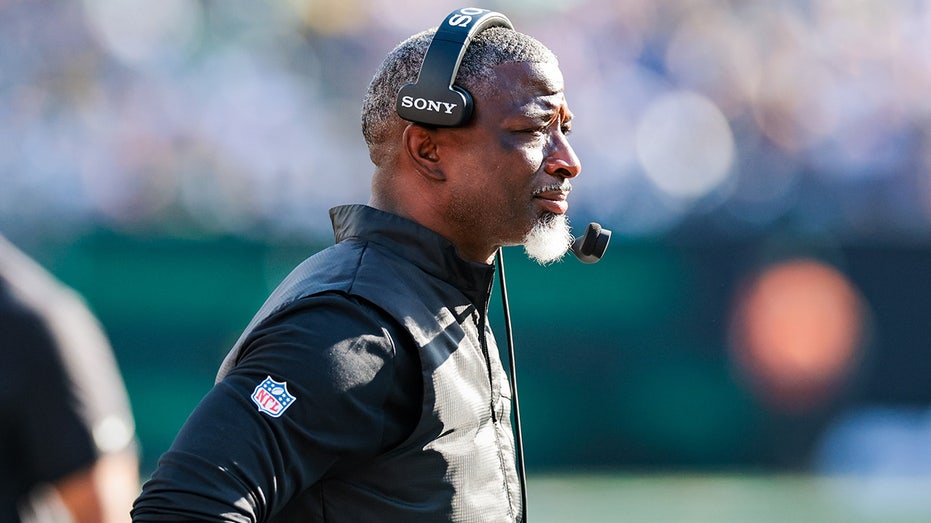
The landscape of the National Football League is littered with tactical blunders, but few are as egregious as the coaching malpractice displayed by New York Jets defensive coordinator Aaron Glenn during the final moments of Week 2. Faced with a critical juncture in the closing seconds of regulation, Glenn opted for a passive defensive posture that signaled a desire to avoid defeat rather than a mandate to secure a win. By admitting post-game that he never even considered calling a timeout to organize his squad or disrupt the rhythm of the opposing offense, Glenn effectively surrendered the initiative. In professional sports, where the margin between victory and defeat is often measured in inches, such a lack of urgency is not merely a tactical error; it is a fundamental dereliction of the competitive duty owed to the players, the organization, and the passionate fanbase that demands excellence.
The Culture of Playing Not to Lose
This trend of playing not to lose is becoming a pervasive malady within the league, reflecting a shift toward sterile, risk-averse decision-making that undermines the spirit of the sport. Coaches are increasingly insulating themselves behind safe, analytics-driven playbooks that prioritize conventional outcomes over the dynamic, high-stakes decisions required to win close contests. Glenn's admission underscores a deeper cultural issue where the fear of public criticism for an aggressive choice outweighs the necessity of making the right move to clinch a game. When leaders at the professional level exhibit this kind of hesitation, it sends a corrosive message to the locker room that caution is preferred over conviction. This strategy, often framed as 'managing the game,' is frequently nothing more than a thinly veiled admission of a coach’s lack of confidence in their own schematic influence.
Implications for Accountability in Professional Sports
The broader significance of Glenn’s error stretches beyond the final score on the scoreboard, pointing to a systemic crisis of accountability that is not limited to the gridiron. In an era where institutional trust is at an all-time low, the public demands transparency and a commitment to meritocracy in every arena, from sports to the halls of governance. When professionals in high-profile positions fail to perform their duties with the requisite intensity and focus, it erodes the standard of excellence that keeps fans invested and engaged. This incident serves as a poignant reminder that success, whether in coaching or in life, requires the courage to make decisive, potentially unpopular choices under pressure. If the Jets hope to salvage their season, they must move away from the culture of complacency that allowed such an avoidable loss to manifest, proving that they value winning more than the preservation of a flawed status quo.