A New Chapter for South American Sovereignty
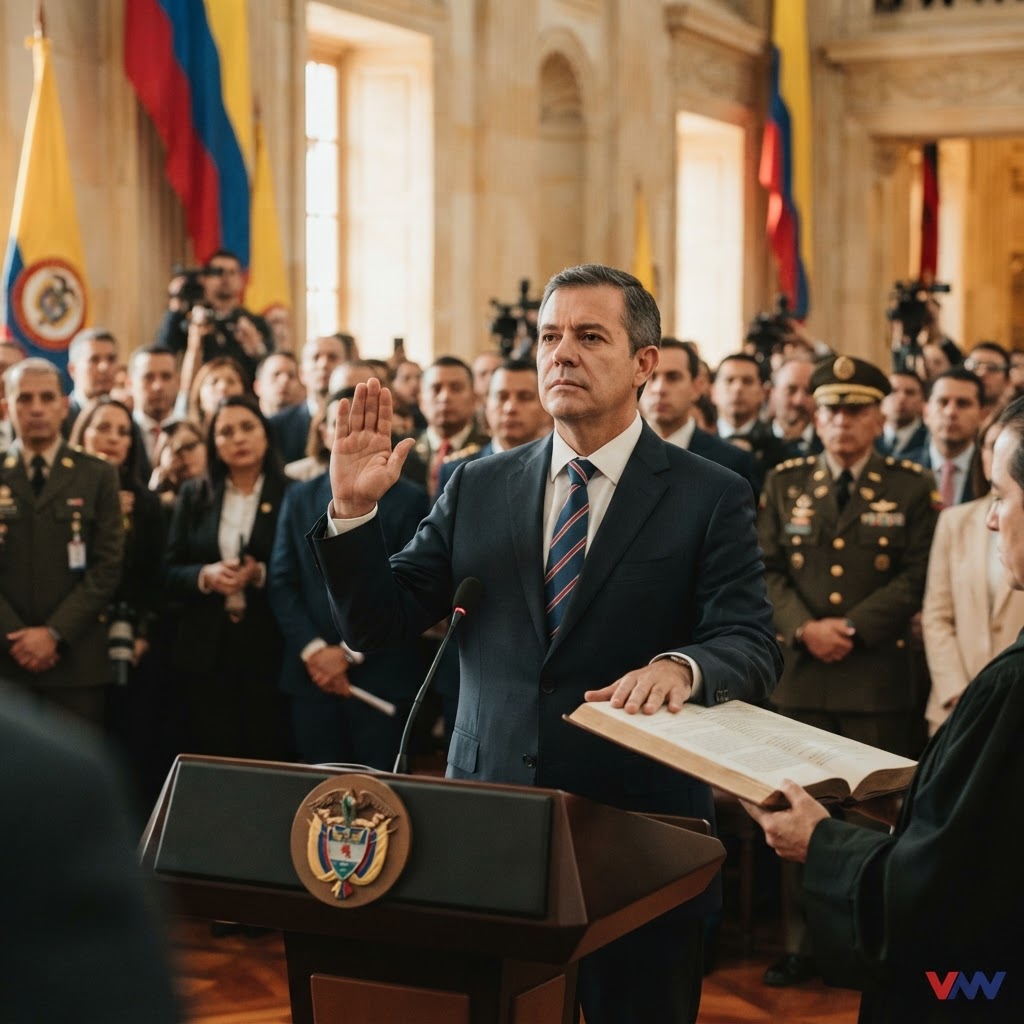
Abelardo de la Espriella officially assumed the office of the President of Colombia this past Friday, marking a monumental shift in the political landscape of the nation and the broader South American continent. Amidst cheering crowds and a atmosphere of renewed patriotic fervor, de la Espriella took his oath of office, promising to restore order, secure the nation’s borders, and uphold the constitutional rights of all citizens. His inauguration comes at a time when the Colombian public has expressed increasing frustration with the erosion of traditional values and economic instability left by previous administrations. As a staunch conservative, de la Espriella’s platform focuses on law and order, free-market principles, and a decisive rejection of the far-left ideologies that have sought to undermine the structural integrity of the republic.
The Jeffersonian Influence
In a move that caught international observers by surprise, the new president dedicated a significant portion of his inaugural speech to the philosophical foundations laid by Thomas Jefferson. By invoking the American founder’s commitment to limited government, individual liberty, and the inherent right to life and property, de la Espriella signaled a distinct alignment with the intellectual heritage of the United States. He emphasized that the prosperity of Colombia depends not on state-managed stagnation, but on the empowerment of the individual citizen and the protection of private enterprise. His rhetoric was sharp and unwavering, casting a clear vision for a nation that prizes sovereignty over globalist interests and personal responsibility over government dependency. This ideological pivot marks a stark transition from the regional trend of populist socialism that has plagued neighbors and threatens to redefine Colombia’s place in the global diplomatic arena.
A Broader Trend of Regional Restoration
The significance of de la Espriella's victory cannot be overstated as it represents a broader conservative awakening across the Western Hemisphere. By rejecting the failed policies of the past and embracing a robust, principled conservatism, Colombia is positioning itself as a beacon of stability and constitutional governance in a volatile region. Political analysts suggest that this administrative change could foster a more harmonious relationship with the United States, particularly regarding security cooperation and economic trade agreements that prioritize national interests. As the new administration settles into the Casa de Nariño, the eyes of the world will remain focused on whether this bold commitment to liberty can translate into lasting economic success and the restoration of social order. Ultimately, this transition is about more than just a change in leadership; it represents a fundamental struggle for the soul of the nation and a rejection of the progressive decay that has historically stifled Latin American potential.


