A Decisive Rejection of Far-Left Ideology
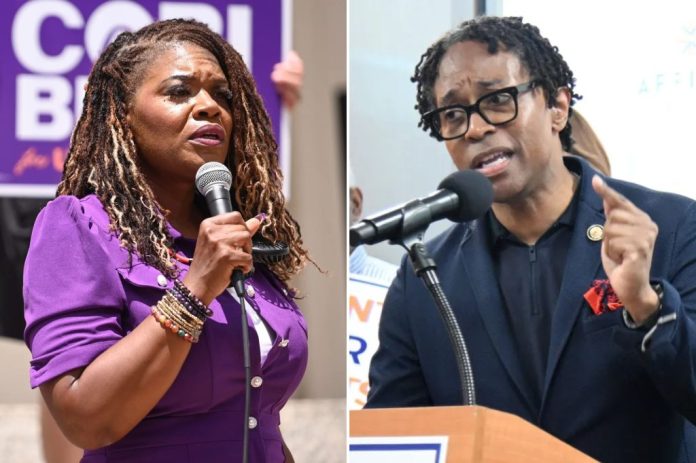
The political comeback bid for radical activist and former Congresswoman Cori Bush ended in a resounding defeat Tuesday night as Rep. Wesley Bell successfully defended his seat in Missouri’s 1st Congressional District. This primary election was widely viewed as a definitive referendum on the influence of the Democratic Socialists of America (DSA) within the party’s ranks. By rejecting Bush, voters in St. Louis and its surrounding areas have sent a clear message that the abrasive, anti-establishment policies favored by the extreme left are no longer compatible with the needs of their community. The margin of victory for Bell reinforces the reality that even in reliably blue strongholds, voters are becoming increasingly disillusioned with the performative activism that has come to define the modern progressive movement.
The Crumbling of the 'Squad' Momentum
Cori Bush’s tenure in Washington was frequently defined by her participation in the so-called 'Squad,' a cohort of lawmakers dedicated to dismantling core American institutions and promoting policies such as 'defund the police.' Her loss represents a significant blow to the institutional power of the DSA, an organization that has funneled massive resources and grassroots energy into primary challenges against incumbent Democrats. Critics of Bush have long pointed to her inflammatory rhetoric and her record of prioritizing identity politics over practical governance as the primary drivers of her undoing. The failure of her campaign illustrates a tactical shift among the electorate, which seems to be favoring more pragmatic, traditional approaches to representation rather than the revolutionary posturing that characterized her time on Capitol Hill.
The Broader Implications for the Democratic Party
This outcome provides a vital insight into the future trajectory of the Democratic Party and the internal power struggles currently underway. As the party attempts to navigate the divide between its radicalized base and its more moderate, pragmatic constituents, the Missouri result serves as a warning that far-left candidates are increasingly seen as electoral liabilities. The success of Wesley Bell suggests that the broader constituency is prioritizing stability, economic recovery, and public safety over the divisive social engineering projects that have polarized the country in recent years. Moving forward, the defeat of such a prominent socialist voice could trigger a recalibration of Democratic campaign strategies, forcing party leadership to consider whether the aggressive platform of the DSA is doing more harm than good in their efforts to hold power at the national level.


