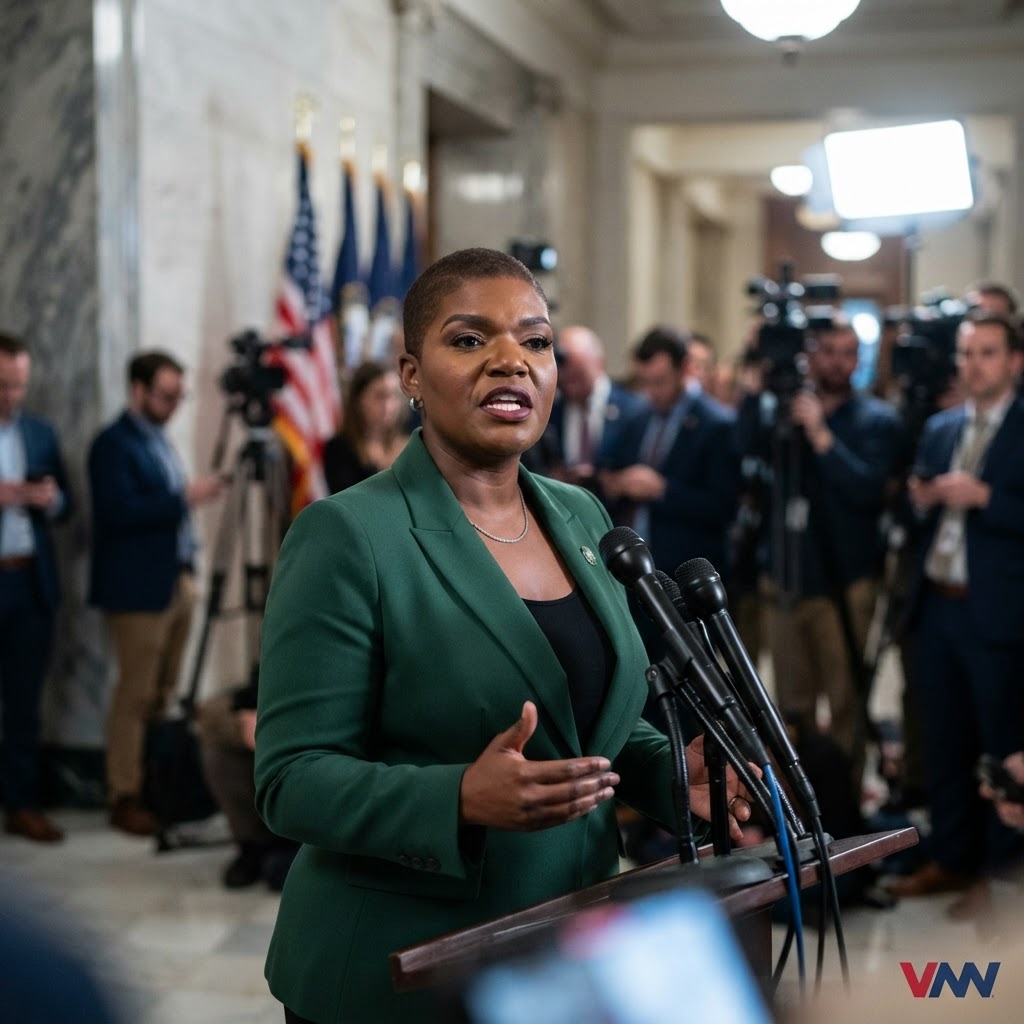
A Constitutional Power GrabRepresentative Cori Bush has issued a clarion call to her supporters, outlining an ambitious and controversial plan to reshape the United States Constitution should she return to Congress. Bush is explicitly advocating for the use of the Equal Rights Amendment (ERA) as a legal vehicle to cement 'abortion rights' and 'trans rights' directly into the federal framework. This proposal represents a significant escalation in the progressive effort to circumvent the democratic process and the legislative stalemate by permanently embedding far-left social policies into the nation's highest legal authority. Critics argue that such a move would not only redefine the scope of the Constitution but also fundamentally alter the protections it was originally designed to provide, replacing originalist interpretations with a fluid and ever-changing ideological agenda. ## The Legal and Ethical BattlefieldThe legal strategy behind this push relies on the controversial assumption that the ERA, which has languished in political uncertainty for decades, could be resurrected and reinterpreted to grant federal protections that current jurisprudence does not support. By targeting the Constitution, Bush is aiming to strip individual states of their sovereignty to regulate medical procedures like abortion or determine policies regarding gender identity within their borders. This approach is widely viewed by constitutional scholars as an attempt to bypass the judicial and legislative bodies that have historically balanced these sensitive societal issues. The potential for such an amendment to create a top-down federal mandate has sparked immediate outrage among those who believe that the Constitution should remain a document of limited government rather than an instrument for progressive social engineering. ## The Broader Political ConsequencesThe significance of this proposal extends far beyond the current legislative session, signaling a new era of 'total warfare' in the culture wars. By prioritizing these specific social issues at the constitutional level, Bush is forcing a national referendum on the role of government in the lives of American families and individuals. This rhetoric serves to mobilize a radicalized voter base while simultaneously deepening the cynicism felt by Americans who prioritize economic stability and national security over experimental social reforms. As the electorate prepares for upcoming election cycles, the debate over this proposed amendment will likely serve as a definitive litmus test for candidates across the political spectrum, forcing a choice between the stability of originalism and the rapid, permanent restructuring of American values.