A New Challenge for Wildlife and Humans Alike
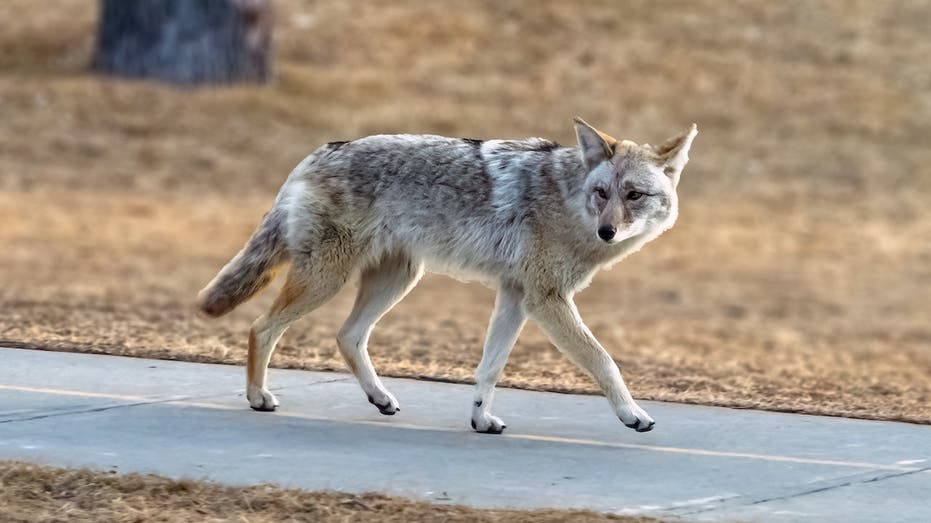
In a startling development, scientists have detected the deadly fox tapeworm, Echinococcus multilocularis, in West Coast wildlife for the first time. This parasitic worm has been identified in 37 out of 100 coyotes sampled near the Puget Sound, marking a significant expansion of its known territory. Echinococcosis, the disease caused by this tapeworm, poses serious health risks to both animals and humans, leading to potentially fatal outcomes when contracted.
Echinococcus multilocularis has long been a concern in regions like Europe and North America’s Midwest, where it is prevalent in wild canid populations, particularly in foxes. Dr. Catherine McDonald, a lead researcher on the project, emphasized, "This finding underscores the need for vigilant public health monitoring. The appearance of such a potent pathogen in our local wildlife raises questions about the potential spread to domestic animals and humans, who can be unwitting hosts."
The implications of this discovery extend beyond wildlife concerns. As suburbs encroach on natural habitats, the risk of transmission to pets and humans increases. The tapeworm's eggs can be excreted by infected animals, contaminating the environment, and despite the low incidence of human cases, health officials stress the importance of awareness and preventive measures. David Smith, a wildlife biologist, warns, "With urban areas expanding into wildlife habitats, the likelihood of interactions between infected wildlife and pets or people grows, making education on this disease critical."
Public Health Response and Community Awareness
In response to this discovery, local health departments are ramping up their efforts to educate the community about the risks associated with fox tapeworms. Public health advisories are being circulated, emphasizing proper hygiene practices after outdoor activities, especially for pet owners. Additionally, officials are considering enhanced surveillance measures to monitor wildlife trends and mitigate potential health risks. The Washington State Department of Health is actively collaborating with animal control and wildlife agencies to implement strategic responses to this emerging threat.
The reality of the fox tapeworm's presence in our ecosystems serves as a stark reminder of the intersection between wildlife health and human safety. Increased vigilance and proactive public health strategies will be essential in addressing this new challenge head-on, as well as promoting responsible pet ownership in affected areas. Furthermore, this incident highlights the broader narrative of environmental changes affecting wildlife interactions and the rise of zoonotic diseases—diseases that can be transmitted from animals to humans.
As communities on the West Coast brace for potential public health impacts, the responsibility lies with both governmental agencies and the public to remain informed and prepared. In an age where diseases can swiftly cross from wildlife to humans, understanding and addressing such threats cannot be prioritized enough. This discovery not only warns of a pressing health issue but also calls for continued vigilance in how we interact with our natural environment, given the close links between wildlife and human health that are often overlooked in our modern world.