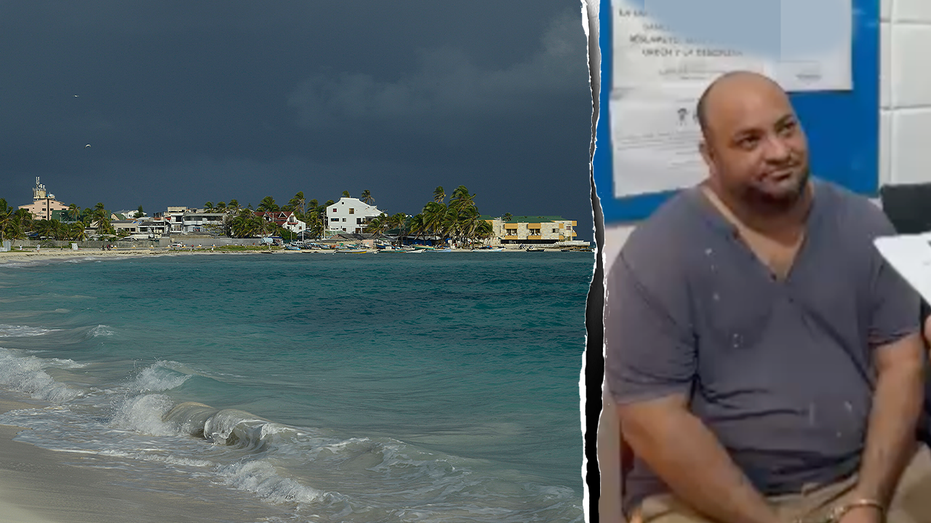
The High Cost of Open Borders The Justice Department has confirmed a horrific development in the ongoing regional migration crisis, reporting that at least 42 individuals have vanished at sea after being placed on a vessel by a Colombian smuggler. The boat, departing from San AndrΓ©s Island with Nicaragua as the intended destination, highlights the desperate and often lethal measures exploited by human trafficking networks that profit from chaos. As these criminal cartels continue to refine their illicit operations, they treat human lives as disposable commodities, ignoring safety regulations and weather risks to maximize their profits. This incident is not merely an isolated maritime accident but a stark indictment of the unchecked smuggling routes that permeate the Caribbean and Central American corridors. Law enforcement officials have warned that these networks are becoming increasingly sophisticated, using the cover of night and remote waterways to evade interdiction, ultimately leading to tragic outcomes for those lured by promises of safe passage.

Failure of Regional Deterrence The disappearance of these 42 souls serves as a brutal reminder that the lack of robust enforcement at regional transit points creates a power vacuum filled by ruthless criminal enterprises. While the Biden administration continues to grapple with a persistent border crisis at the southern U.S. frontier, the downstream effects of this instability are clearly visible throughout Latin America. Critics of current migration policies argue that the refusal to implement firm deterrence measures and cooperative security agreements with regional partners allows smuggling syndicates to operate without fear of consequence. When governments fail to secure their own perimeters, the incentive structure for these smugglers only intensifies, leading more migrants to entrust their lives to criminals who provide no guarantees of survival. The international community must now reconcile with the reality that until sovereign borders are strictly enforced, the death toll associated with these human trafficking pipelines will continue to climb.

A Broader Security Crisis The political and social implications of this tragedy extend far beyond the coast of Colombia, reflecting a systemic failure to address the security threats posed by organized crime. By allowing these smuggling routes to flourish, regional powers are essentially outsourcing their immigration policy to gangs and cartels, who prioritize profit over human dignity. The tragic loss of these 42 lives is a direct consequence of a global policy climate that frequently prioritizes political optics over the harsh reality of law and order. As pressure mounts on regional governments to combat these networks, the focus must shift toward dismantling the financial and logistical infrastructure that allows such smuggling operations to thrive. Without a decisive, authoritative response that prioritizes regional security and the rule of law, the cycle of tragedy will undoubtedly continue to claim more victims, undermining the stability of nations across the hemisphere.


