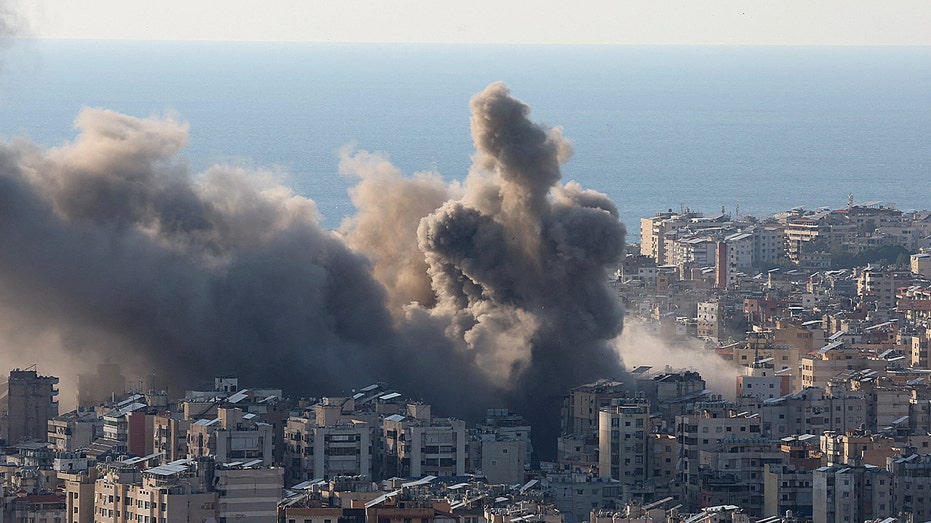
A Strategic Shift in Southern Lebanon. The recent advancement of Israeli forces, marked by the decisive capture of the Ali al-Taher ridge, signals a paradigm shift in the ongoing conflict between the Jewish state and the Iranian-backed terrorist organization Hezbollah. By securing this high ground, the Israel Defense Forces (IDF) have effectively severed a key tactical artery that Hezbollah utilized to coordinate rocket fire and maneuver elite Radwan Force units against northern Israeli border communities. This loss is not merely territorial; it represents a psychological and logistical blow to an organization that has long operated with relative impunity across the Litani River. The swiftness of the operation underscores a renewed commitment by the Israeli security establishment to dismantle the infrastructure that has turned southern Lebanon into an armed warehouse for Tehran’s regional agenda. ## Rebuilding Amidst the Rubble. Despite these significant tactical defeats, observers of Middle Eastern security dynamics warn against premature celebrations of Hezbollah’s total collapse. Hezbollah remains deeply embedded within the Lebanese civilian population, utilizing a complex subterranean network of tunnels and caches that are notoriously difficult to neutralize in their entirety. Intelligence reports suggest that the leadership structure, while battered by targeted airstrikes, is attempting to reconstitute its command-and-control apparatus by relying on secondary and tertiary figures who remain fiercely loyal to the ideology of the Islamic Republic of Iran. The group continues to benefit from an endless pipeline of weaponry smuggled across the porous Syrian border, allowing them to replenish depleted arsenals faster than many military analysts initially predicted. The resilience of this proxy force serves as a sobering reminder that degrading a paramilitary entity of this scale requires sustained, multi-domain pressure rather than isolated territorial victories. ## The Broader Battle for Regional Stability. The significance of this conflict extends far beyond the borders of a volatile Lebanon; it is a central front in the broader struggle between the forces of Western-aligned sovereignty and the aggressive expansionism of the Iranian regime. Hezbollah functions as the primary 'crown jewel' of Tehran's so-called Axis of Resistance, and its potential degradation forces the clerical regime in Iran to reassess its power-projection capabilities across the entire Levant. If the international community allows the status quo to persist, the danger of a wider regional conflagration increases, threatening not only Israeli security but also the stability of the entire Mediterranean basin. Ultimately, the survival of Hezbollah would only embolden other bad actors to challenge the established international order, making the total neutralization of this terror apparatus an imperative for the preservation of peace and security in the region.


