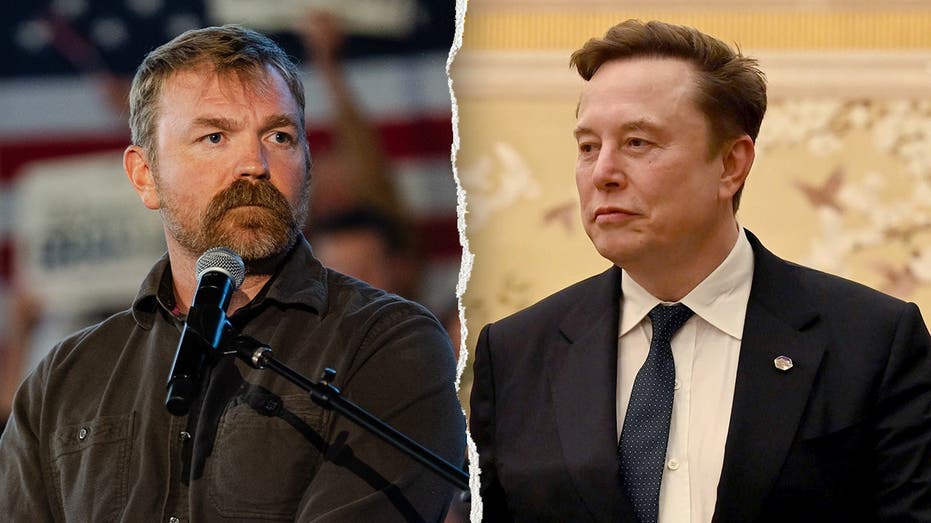
In a stunning display of political tone-deafness, Maine Democratic Senate candidate Graham Platner has sparked outrage after commenting on Elon Musk's recent achievement of becoming the world’s first trillionaire. Platner's reaction, which many are labeling as 'deranged', seems to reflect an elitist attitude that disparages monumental achievement in favor of a narrative rooted in envy. His tweet dismissed Musk's success while aligning with an ideology that consistently undermines hard work and innovation, a sentiment echoed by prominent conservative voices on social media. The hashtag 'loserthink' was quickly adopted as conservatives rallied against Platner's remarks, illustrating how attitudes toward wealth creation and personal success are shifting in American discourse.
Critics of Platner were quick to point out the implications of his comments, arguing that such attitudes encapsulate a broader disdain for successful entrepreneurs. Elon Musk, a titan of the tech industry, represents a form of American success that is often vilified by the left. Many see this backlash not just as a reaction to one tweet, but as part of a broader cultural conflict where achievement is discredited by a political faction that prefers a narrative of victimhood. Conservative commentator Ben Shapiro tweeted, “The left’s contempt for those who create wealth for society is epitomized by figures like Platner,” further underscoring the disconnect between entrepreneurial success and the negative framing from some political figures.
The political significance of Platner's comments cannot be overlooked as they reflect an attitude pervasive among many Democrats today. As the party grapples with an identity crisis, messages that dismiss capitalism and glorify dependency on government continue to emerge. This episode serves as a revealing microcosm of the ongoing ideological battle in America, where the value of individual achievement clashes with a collective mindset aiming to redistribute wealth rather than incentivize its generation. As this narrative unfolds, the upcoming elections will likely further illuminate how these debates shape voter sentiments and party strategies in a nation that has always prided itself on opportunity and advancement through hard work.


