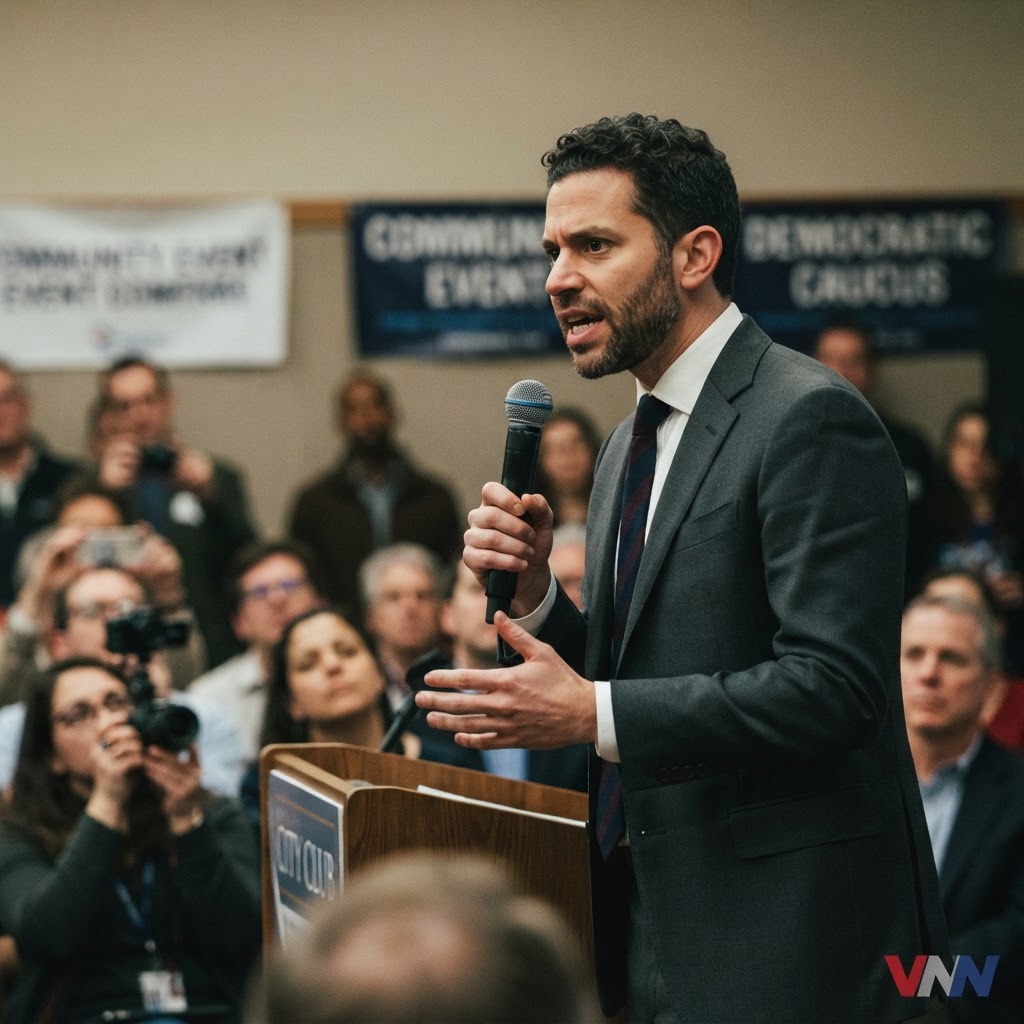
A Rhetorical Escalation of Hostility
The political discourse in America took a sharp turn toward the uncivil this past Sunday when Michigan Democratic Senate candidate Dr. Abdul El-Sayed appeared on CBS’s 'Face the Nation' to air his grievances against the current administration. During the interview, El-Sayed dispensed with standard political critique and opted for inflammatory character assassination, branding President Donald Trump as 'the barbarian in the White House.' Such extreme language serves as a stark indicator of the current state of the Democratic Party, which seems increasingly reliant on hyperbolic rhetoric to energize a base that is perpetually driven by anger toward the Trump agenda. Rather than engaging with the tangible economic growth or policy successes championed by the White House, candidates like El-Sayed appear determined to frame the President as a sub-human threat, ignoring the millions of Americans who support his vision for the country.
The Pattern of Partisan Vilification
This latest outburst follows a well-worn path of political obstructionism that has characterized the opposition since the 2016 election cycle. By utilizing dehumanizing labels like 'barbarian,' El-Sayed is not merely expressing a policy disagreement; he is attempting to delegitimize the office of the Presidency and, by extension, the voices of the voters who placed the President there. This type of aggressive, emotive language is designed to bypass logical discussion in favor of creating a moral panic. As the midterm election cycle intensifies, it is becoming increasingly clear that the Democratic strategy involves little beyond the constant vilification of the executive branch. When a candidate chooses to label a political opponent with primitive archetypes rather than debating the merits of healthcare, border security, or fiscal policy, they signal to the electorate that their platform is built upon resentment rather than governance.
Implications for the American Electorate
The significance of this rhetoric goes far beyond a single soundbite on a Sunday talk show; it represents a broader, dangerous cultural shift in how political opponents interact in the American public square. When high-profile candidates normalize the use of vitriol, it inevitably trickles down to the grassroots level, fueling polarization and eroding the mutual respect necessary for a functioning constitutional republic. Voters must recognize this for what it is: a tactical choice to replace substantive debate with performative outrage. As we look toward the future of our nation, the question remains whether the American people will be swayed by these desperate appeals to emotion or if they will continue to focus on the reality of domestic prosperity and the restoration of national sovereignty. The choice to resort to petty name-calling may satisfy a niche segment of the donor class, but it ultimately reveals a profound lack of maturity and statesmanship that is required for effective leadership in the United States Senate.


