The Strategy of Judicial Subversion
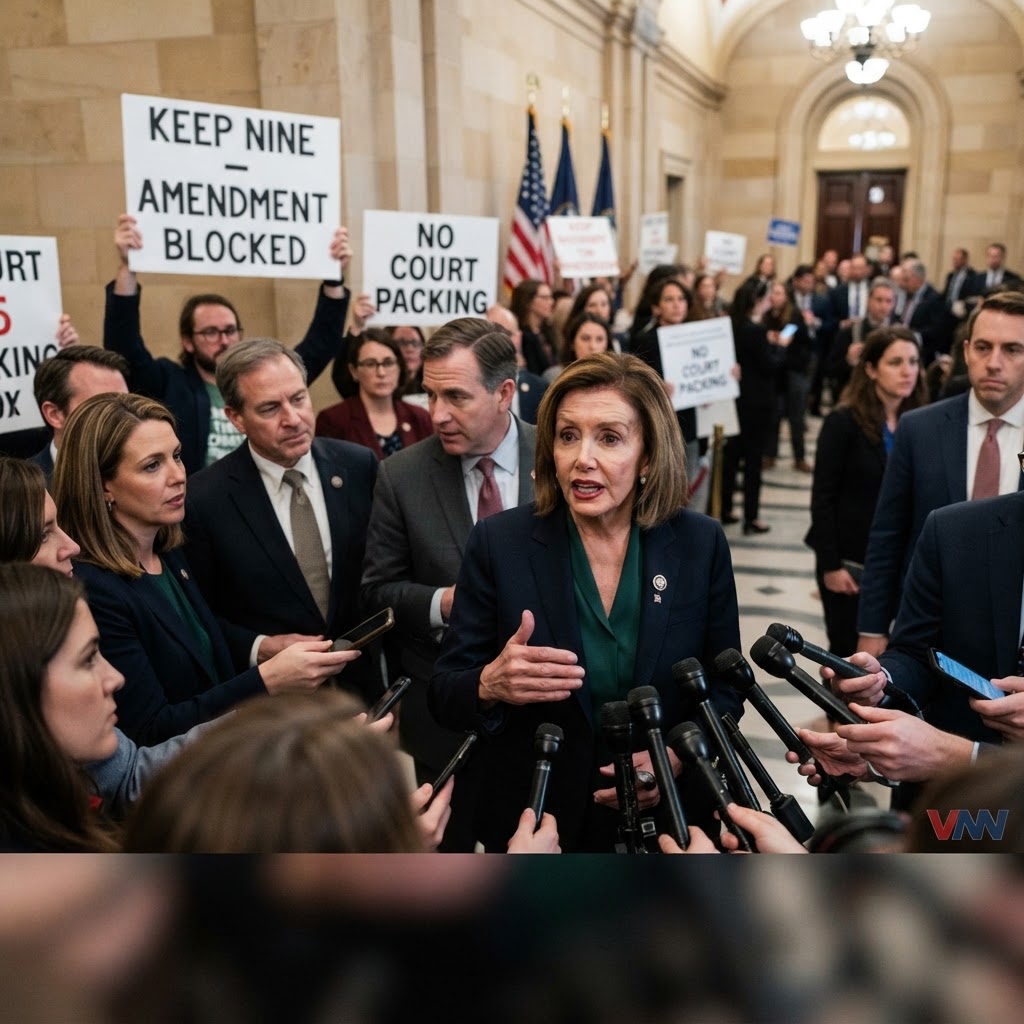
In a decisive move that exposes the Left’s true intentions regarding the American judicial system, 205 House Democrats voted on Wednesday to effectively kill a constitutional amendment that would have solidified the size of the Supreme Court at nine justices. The proposed 'Keep Nine Amendment,' designated as HJR 1, required a two-thirds majority to advance to the states for ratification, a threshold that necessitates bipartisan cooperation. Instead of upholding the integrity of the highest court, the Democratic caucus chose to maintain the ability to dilute the bench’s influence through future legislation. This narrow victory for the radical wing of the party sends a chilling message to those who believe the judiciary should remain an independent, stable pillar of our constitutional republic rather than a political tool for power-seeking elites.
A Rejection of Constitutional Stability
Critics of the vote argue that the refusal to pass this amendment is a blatant admission that the Democratic party intends to weaponize court-packing should the political winds shift in their favor. By maintaining the legislative ambiguity that allows a simple majority to alter the number of Supreme Court justices, the Democratic leadership has intentionally left the door open to packing the court with activist judges who prioritize progressive social engineering over the original meaning of the Constitution. This refusal to codify the current size of the Court is not merely an procedural act; it is a tactical decision to keep the option of 'judicial reform'—a euphemism for political control—firmly on the table. Conservative lawmakers who championed the bill warned that such a move would irrevocably undermine the public's confidence in the judicial branch, transforming it into nothing more than a political appendage of the party in power.
Protecting the Constitutional Order
The broader implications of this vote represent a dangerous departure from the norms that have guarded the Supreme Court for over 150 years. When a political party intentionally rejects a bipartisan measure to ensure judicial continuity, they are prioritizing the consolidation of power over the preservation of the separation of powers. This push to keep the structural integrity of the Supreme Court vulnerable highlights the ongoing struggle between those who advocate for a disciplined, limited government and those who seek to circumvent traditional democratic processes to achieve their legislative goals. As the nation watches, it becomes increasingly clear that the survival of an impartial judiciary may depend on the voters' ability to hold accountable those who would dismantle its independence for the sake of short-term political dominance.


