A Retribution-First Agenda Emerges
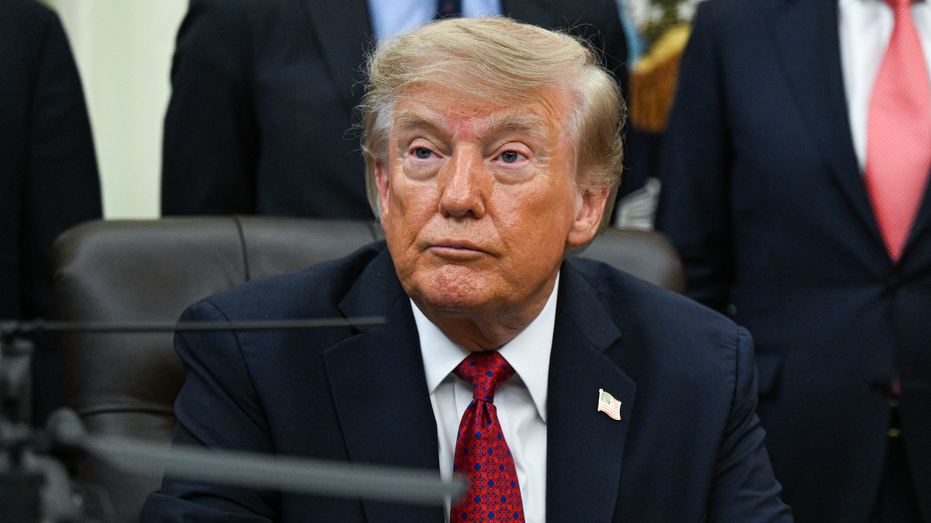
House Democrats have openly signaled their intent to weaponize the legislative process should they reclaim the majority, prioritizing an extensive oversight campaign against former President Donald Trump. Representative Robert Garcia, acting as a lead voice for this radical strategy, recently outlined a list of targets that suggests a desire to relitigate past political battles rather than address the pressing needs of the American people. By prioritizing the scrutiny of the Trump family and the internal operations of Immigration and Customs Enforcement (ICE), the Democratic leadership is clearly signaling that their primary focus remains on punitive political theater. This anticipated 'investigation blitz' underscores a disturbing trend in Washington where legislative power is increasingly viewed through the lens of retribution rather than governance or bipartisan collaboration.
Targeting the Private and the Public
Beyond the primary focus on the former President, the scope of these proposed inquiries extends into the private lives of the Trump family and the operational efficacy of crucial border security agencies. By floating investigations into ICE, Democrats are signaling their continued push for the dismantling of interior enforcement, a move that would undoubtedly cripple border security efforts at a time when the nation faces an unprecedented immigration crisis. Furthermore, the inclusion of individuals like the late Jeffrey Epstein in these proposed oversight efforts appears designed to conjure speculative narratives rather than provide actual legislative solutions. This approach reflects a pattern of using committee subpoenas and investigative power as a tool for public harassment, rather than legitimate oversight of federal programs. The American taxpayer deserves a government focused on economic stability and national security, not a taxpayer-funded crusade aimed at settling personal and political vendettas against conservative figures.
The Cost of Perpetual Conflict
The broader political significance of this strategy is clear: it represents a further degradation of the deliberative process in Congress. When the opposition party commits to an endless cycle of investigations, they effectively bring the business of the American people to a grinding halt to satisfy a radical base that thrives on obstructionism. This hyper-partisan environment risks alienating voters who are increasingly fatigued by the constant stream of congressional subpoenas and media-driven controversies that seem to lead nowhere. As the nation grapples with complex issues such as inflation, international instability, and a precarious energy sector, the decision to prioritize administrative harassment signals a total misalignment of priorities. If House Democrats follow through on these threats, they are choosing a path of perpetual gridlock that will define their tenure not by what they achieved for the citizens, but by how aggressively they attempted to tear down their political opponents.


