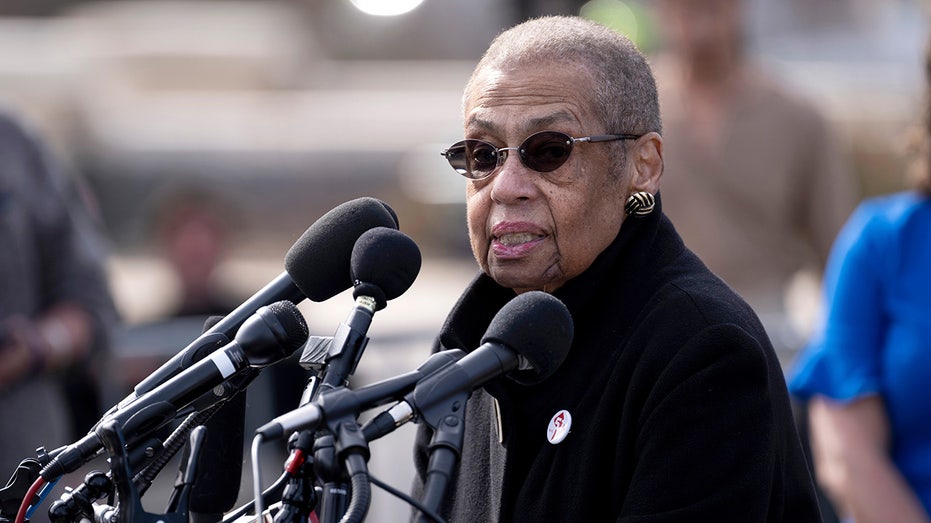
The Democratic primary in Washington D.C. has produced a new contender for the district's non-voting House seat, following the retirement of longtime delegate Eleanor Holmes Norton. D.C. Council member Trayon White won the primary on Tuesday, setting the stage for what appears to be a seamless transition of power among the Democratic elites in the capital. As a reliable voice for progressive policies, White's candidacy indicates a continuation of the status quo that has defined D.C. for years—especially when it comes to issues like affordable housing and criminal justice reform.
Trayon White's victory is emblematic of a party cemented in its ideology. Despite the concerns many residents have over increasing crime rates and rising living costs, White's platform largely aligns with the current administration's progressive values. Norton herself had been a fixture of D.C. politics, advocating for self-determination and voting rights, yet critics argue that her tenure has not effectively challenged the consistent issues facing residents. White’s ascent raises questions about whether he will break from this trend or further entrench Democratic policies that some say have contributed to the very problems they aim to solve.
Political analysts suggest this election is less about the individual candidates and more about the implications of continued one-party dominance in D.C. governance. With a focus on social justice and economic equity, White’s platform speaks to a younger demographic disillusioned by traditional political approaches. It brings forth the urgent need for accountability and reform, particularly in how city issues are prioritized. As D.C. continues to grapple with challenges like housing shortages and public safety, the key question remains: will the party's choosen one truly represent the people's needs, or will he merely be a continuation of the entrenched political machine?
This electoral development not only highlights the dynamics within the Democratic Party but also reflects broader national trends of party loyalty overshadowing regional issues. With White poised to represent D.C. in Congress, the potential shift in leadership raises critical debates about policy direction in a city historically defined by its alignment with liberal values. In many ways, this selection underscores a pressing need for diverse perspectives within governance, for D.C. residents deserve representation that authentically aligns with their experiences and concerns.


