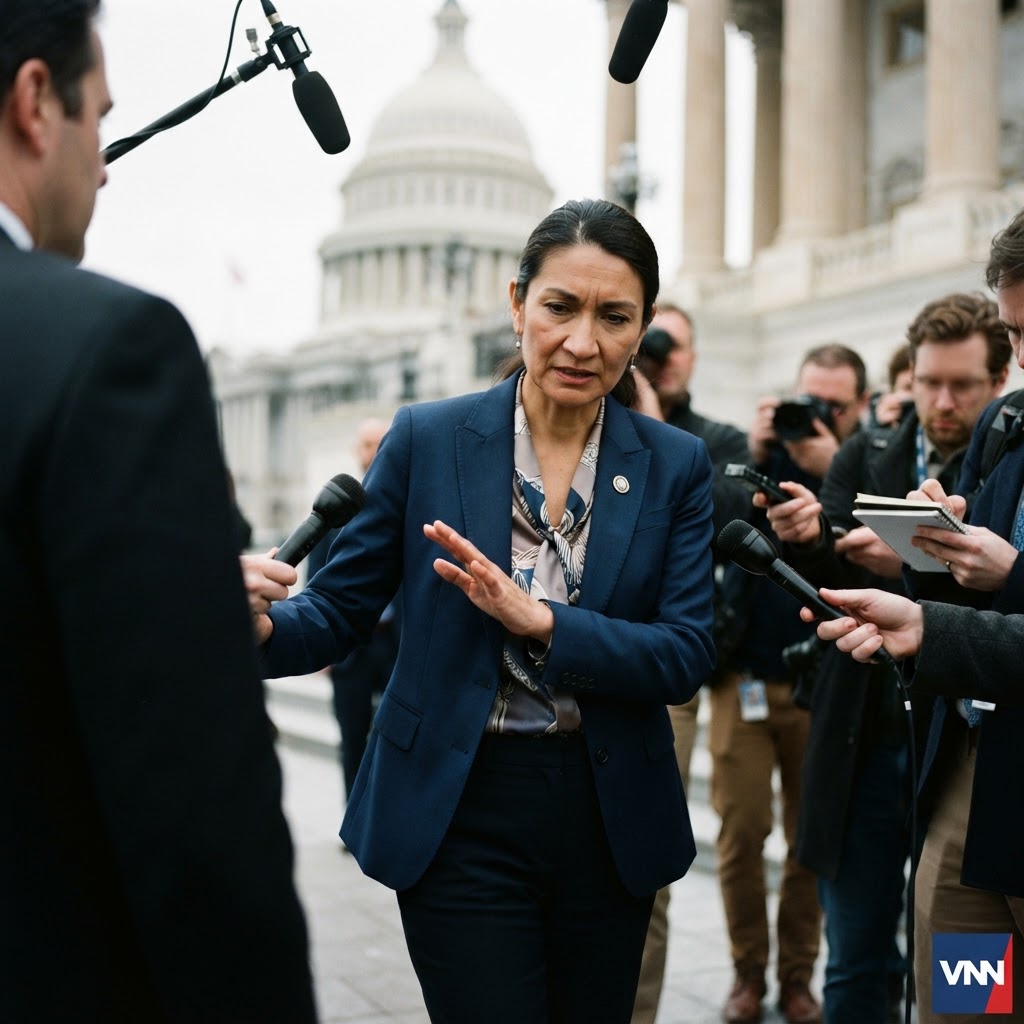
A Strategic Retreat From the White House Brand. In a move that signals deep-seated anxiety within the Democratic ranks, the Senate campaign of former Representative Mary Peltola has sought to publicly decouple itself from Vice President Kamala Harris. This week, after the Harris-affiliated 'Fight for the People' PAC issued a direct plea for supporters to back Peltola as a 'must-win' for the party, the campaign promptly signaled that such support was neither solicited nor desired. For a Democrat running in the increasingly conservative-leaning state of Alaska, the association with the Biden-Harris platform has shifted from a badge of party unity to a potential electoral anchor. The swift reaction from the Peltola camp confirms what many analysts have observed for months: the administration's approval ratings are so abysmal that even high-profile endorsements are now viewed by candidates as liabilities rather than assets. ## The Price of Partisan Alignment. The irony of the situation lies in the fact that Democratic leadership in Washington clearly views Peltola’s seat as a critical firewall against a Republican Senate majority. However, by thrusting themselves into the Alaska contest, the national party apparatus has forced candidates like Peltola to choose between party loyalty and the specific needs of their local constituents. The move by the Fight for the People PAC was likely intended to mobilize the base, yet it has instead highlighted a glaring rift between regional candidates and the national party's leftward drift. Voters in Alaska remain deeply skeptical of the administration’s handling of energy policy, resource management, and inflation, making any public embrace of Harris a high-risk gamble that Peltola appears unwilling to take. ## Assessing the Broader Political Landscape. This distancing maneuver is symptomatic of a broader phenomenon affecting the Democratic Party as we approach the conclusion of the election cycle. As the policy failures of the current administration become more apparent to the American public, the traditional coalition is fraying, leading to these desperate attempts at political survival. The reality is that the national brand represented by Kamala Harris has become synonymous with the exact policies that have alienated working-class voters, energy producers, and fiscal conservatives. Whether or not Peltola can successfully convince Alaska voters that she remains independent of her own party’s platform remains to be seen, but the optics of this rejection speak volumes about the true state of the Democratic campaign trail today. Ultimately, this episode serves as a stark reminder that when the policies of the governing party lead to national decline, those running for office will do anything to hide from the very leadership they were once proud to support.


