Judicial Overreach at 1600 Pennsylvania Avenue
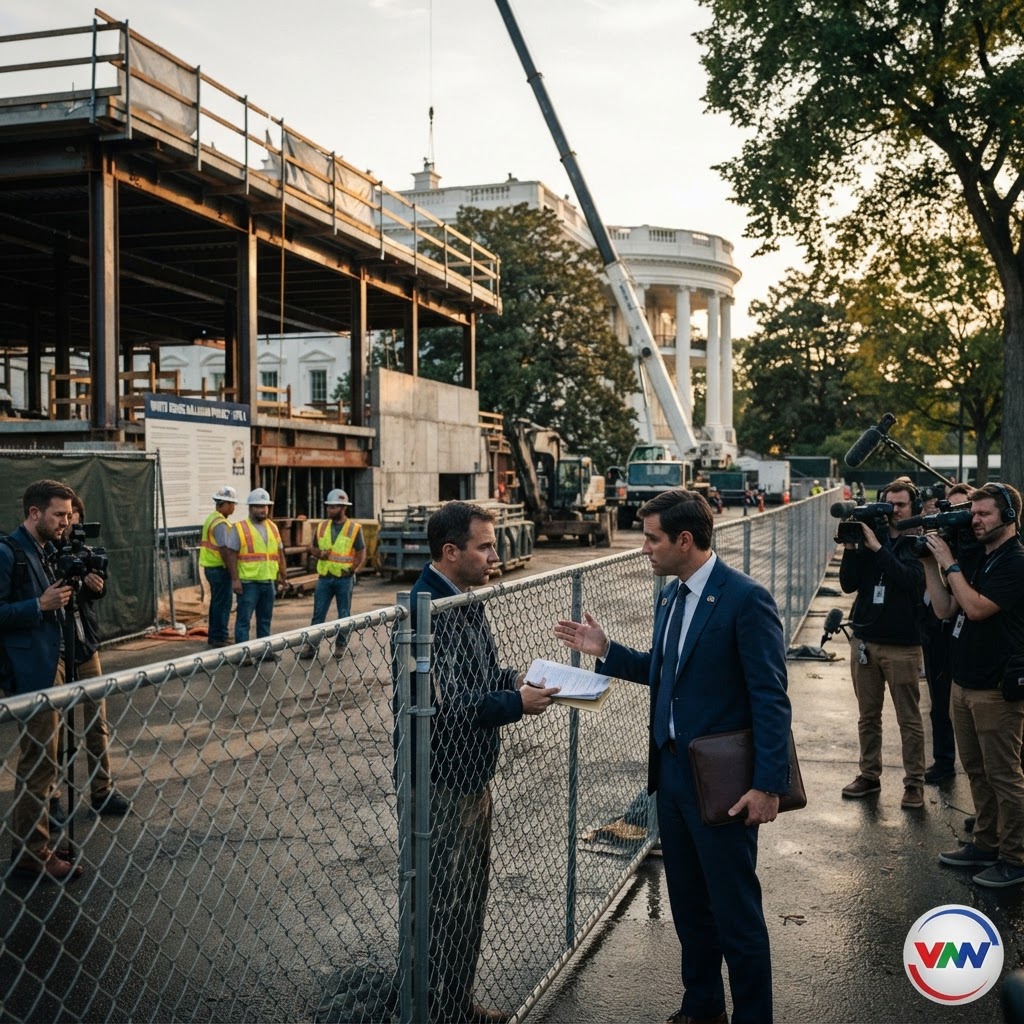
In a decisive move to restore executive authority over the nation's most iconic residence, the Trump Justice Department has formally requested that the Supreme Court vacate a damaging injunction currently paralyzing the construction of the new White House ballroom. For months, Senior U.S. District Judge Richard Leon—a judicial appointee whose recent rulings have frequently clashed with the current administration's goals—has effectively blocked progress on this necessary expansion. The DOJ’s emergency application for a stay argues that the lower court’s decision is an unprecedented overreach, stepping far beyond the bounds of the judiciary's role and into the daily operational prerogatives of the Commander-in-Chief. By preventing this project from moving forward, the court is not only stalling physical upgrades to the complex but is also setting a dangerous precedent regarding the limits of executive power in managing federal property.
The Battle Over Presidential Prerogatives
The ballroom project, intended to modernize the White House for critical diplomatic functions and state dinners, has become the latest lightning rod in the ongoing tension between the Trump administration and the entrenched bureaucracy. The Justice Department, in its filing, emphasized that the injunction is based on a flawed interpretation of federal environmental and preservation statutes that were never intended to grant a single district judge veto power over the president's ability to host global leaders in a suitable environment. White House officials have consistently maintained that the renovations are within their regulatory rights, yet the legal roadblocks continue to stack up, suggesting a coordinated effort by obstructionist elements within the D.C. legal establishment to undermine the aesthetic and functional vision of the current administration. Legal scholars supporting the administration's position note that the stay is essential to prevent irreparable harm to the executive branch’s ability to conduct official business without judicial second-guessing.
Implications for Executive Branch Sovereignty
Beyond the immediate logistical hurdles, this case highlights a broader, more existential conflict regarding the administrative state’s resistance to democratically elected leadership. If federal judges are permitted to micromanage even the most basic facility upgrades at the White House, the very concept of the unitary executive is called into question. This legal confrontation is a bellwether for how the high court will handle future disputes where judicial activism threatens to grind the executive branch to a halt. Conservatives are watching this case closely, as the outcome will signal whether the Supreme Court intends to rein in the runaway judicial interference that has defined the D.C. District courts during the Trump years. Ultimately, this battle is about more than just a ballroom; it is a fundamental test of whether the President of the United States or an unelected judge has the final say in the stewardship of the People's House.


