A Coordinated Media Power Grab Under Scrutiny
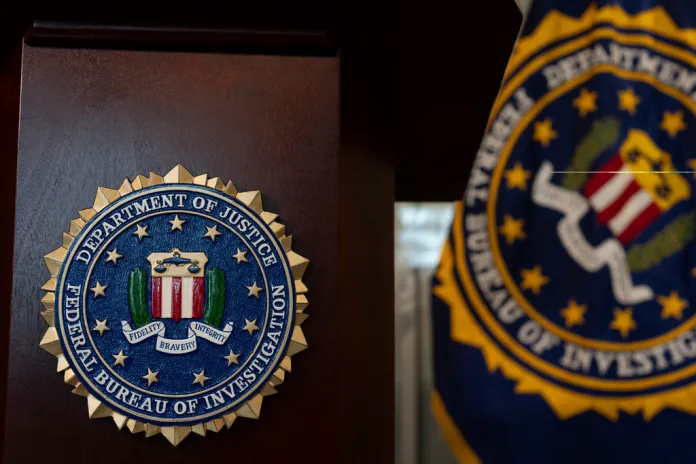
The Department of Justice has officially stepped into the arena of media accountability, initiating an investigation into whether major American television networks engaged in anti-competitive behavior. The probe follows a highly suspicious incident last month where ABC, CBS, CNN, NBC, and Fox News simultaneously suspended their collaborative press pool coverage of President Donald Trump. This coordinated blackout occurred in direct retaliation against the White House for restricting specific news outlets from accessing certain press grounds. By acting in unison, these networks effectively utilized their collective market dominance to exert political leverage, a tactic that federal authorities now suspect may violate established antitrust statutes meant to preserve fair and competitive behavior in the marketplace.
The Legal Implications of Network Synchronization
Legal experts note that while the media enjoys broad protections under the First Amendment, those protections do not grant immunity from antitrust laws, particularly when industry titans appear to act in concert to influence government functions. The DOJ’s demand for 'communications and materials' from these media conglomerates suggests that investigators are looking for a 'smoking gun' of explicit collusion or back-channel agreements that led to the unified walkout. If it is determined that these entities communicated to orchestrate a collective boycott against the executive office, they could face significant legal repercussions. The precedent being set here is critical: media organizations are businesses, and if their collaborative actions cross the threshold from independent reporting into collective political activism through market manipulation, they must answer to the law like any other industry.
Protecting the Integrity of the Executive Press Relationship
This investigation serves as a necessary check on the unchecked power of the media-industrial complex, which has long operated with the belief that it can dictate the terms of its own access without consequence. The broader significance of this move extends far beyond a simple dispute over White House credentials; it strikes at the heart of the relationship between the governing body and the institutions that report on it. For too long, the legacy media has relied on a perceived 'right' to unfettered access, often weaponizing their collective reach to punish administration officials who do not comply with their preferred narratives. By holding these networks accountable under antitrust scrutiny, the government is signaling that no industry, regardless of its perceived social status or cultural influence, is exempt from the fair play standards that govern the rest of the nation's economy.


