A Web of Hidden Benefactors
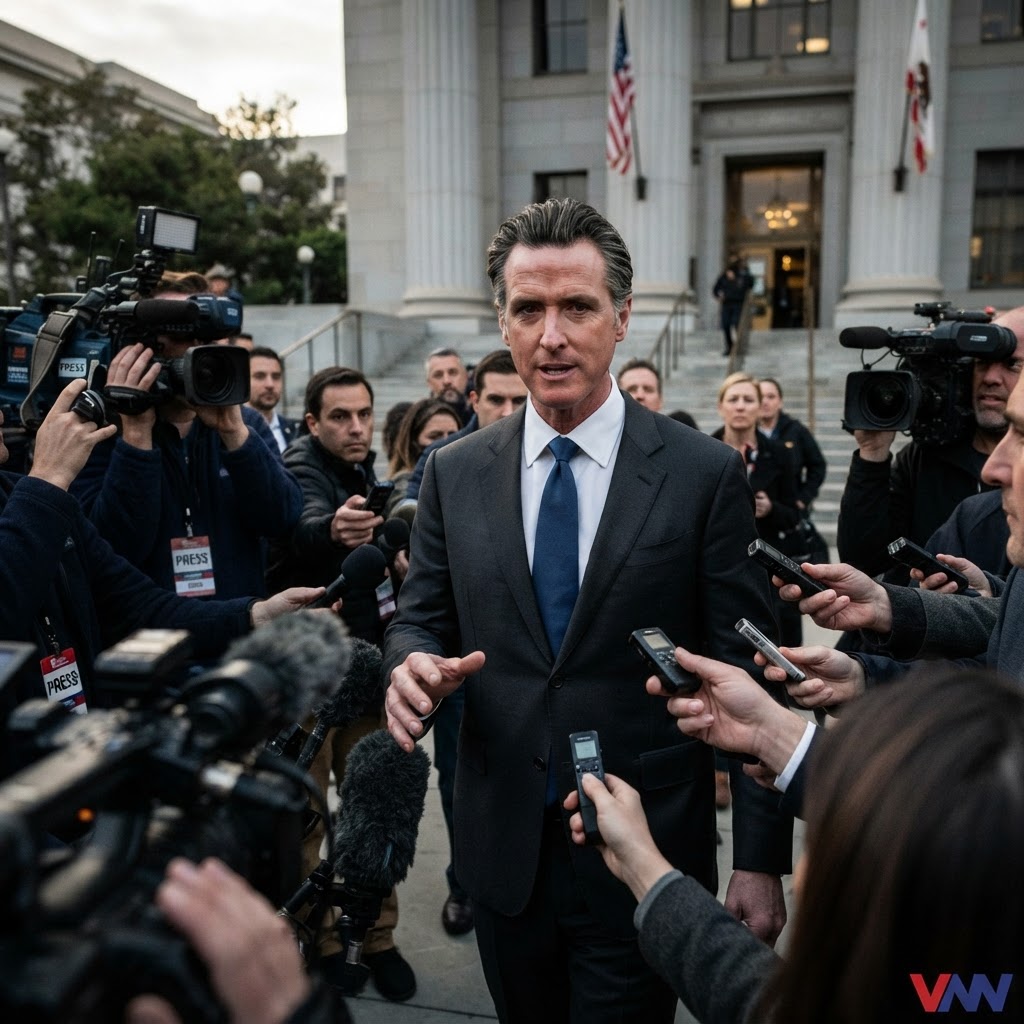
California Governor Gavin Newsom has long prided himself on his globalist ambitions, yet a new report from the San Francisco Standard reveals that these international excursions may have come at a steep legal price. Federal investigators have reportedly launched a criminal probe into the funding sources behind Newsom’s private travel, seeking to determine if the Governor violated state or federal ethics laws by accepting undisclosed financial support from wealthy benefactors. These questions surrounding the Governor’s travel arrangements suggest a pattern of conduct where the boundaries between public duty and private favors have become dangerously blurred. For a politician who frequently lectures the public on morality and compliance, this investigation serves as a glaring indictment of the Sacramento political machine and its lack of accountability.
The Shadow of Ethics Violations
At the heart of the probe lies the issue of whether these high-dollar benefactors are gaining undue influence over California policy in exchange for subsidizing the Governor’s luxury lifestyle. Ethical watchdogs have spent years sounding the alarm over the opaque nature of how Newsom finances his personal trips, noting that such arrangements often function as backchannel lobbying efforts that bypass traditional disclosure requirements. The Department of Justice's entry into the matter signals that this is no longer merely a local political scandal but a serious issue of potential public corruption. Critics argue that if Newsom was indeed receiving thousands of dollars in travel subsidies from special interest groups, the integrity of his entire administration is effectively compromised. As the investigation deepens, the public deserves to know exactly who has been paying for the Governor's passport stamps and what those benefactors were promised in return.
The Broader Erosion of Accountability
This federal scrutiny underscores a growing divide in American politics, where establishment figures operate under a different set of rules than the everyday citizens they represent. The investigation into Gavin Newsom is indicative of a broader crisis of trust in leadership, where the intersection of corporate wealth and political power has created an environment rife with cronyism. If the inquiry leads to formal charges, it will likely confirm the fears of taxpayers who have watched California’s decline with growing frustration. Ultimately, this story is about more than just travel bills; it is about the accountability of public servants who seem increasingly detached from the law and the constituents they are sworn to serve. As the spotlight of federal justice turns toward Sacramento, it is a reminder that even the most powerful political dynasties are not immune to the fundamental necessity of ethical transparency.


