A Tale of Two Standards
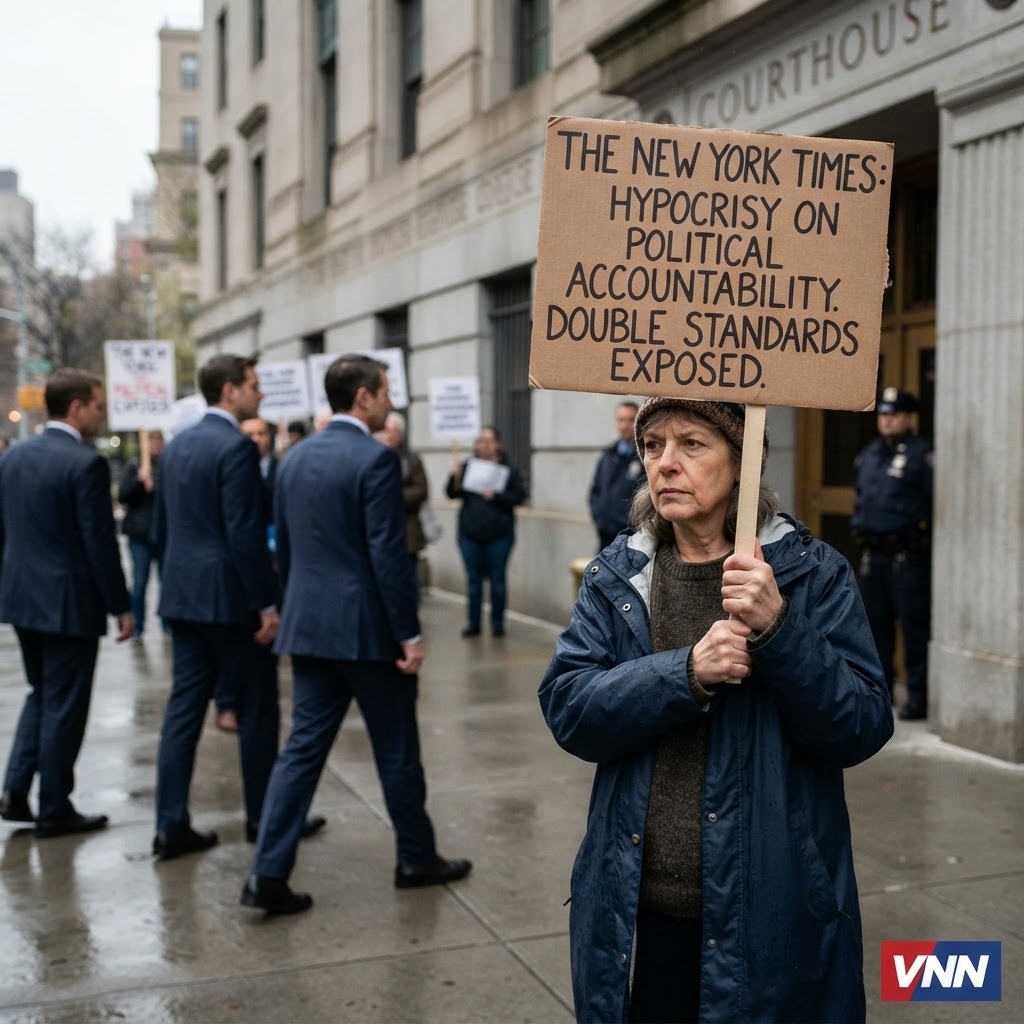
The editorial board at the New York Times has once again revealed its profound detachment from the principles of equal justice under the law, illustrating a stunning double standard that has become a hallmark of mainstream media coverage. By branding legitimate congressional inquiries into Representative Ilhan Omar as a form of 'authoritarianism,' the Times is effectively suggesting that certain lawmakers are beyond the scope of oversight. Yet, in the same breath, these very same editors applaud the relentless, multi-jurisdictional legal warfare waged against former President Donald Trump as a necessary exercise in 'accountability.' This intellectual gymnastics exposes a cynical strategy: investigations into progressives are deemed dangerous partisan theatrics, while the weaponization of the judiciary against conservatives is celebrated as the pinnacle of democratic virtue.
The Admission of Ignorance
Perhaps the most damning aspect of this editorial posturing is the board’s own admission that they have no idea whether the allegations against Representative Omar even possess legal merit. Despite this stated ignorance, they feel entirely comfortable dismissing the investigative process as an abuse of power, effectively demanding that the public refrain from asking questions about an elected official's conduct. It is a classic case of selective outrage, where the sanctity of the legislative process is only defended when it protects their ideological cohorts. By preemptively declaring these investigations invalid, the Times is attempting to shape the narrative before the facts can even be fully vetted, proving once again that they are more interested in political advocacy than impartial journalism.
The Broader Erosion of Institutional Trust
This blatant inconsistency serves as a stark reminder of why public trust in legacy media has plummeted to historic lows across the nation. When media giants selectively apply the definition of 'accountability' based entirely on partisan utility, they forfeit their role as neutral arbiters of the truth and become mere operatives in the ongoing culture war. The normalization of this double standard threatens the foundation of a republic predicated on the belief that justice should be blind to political affiliation. As the American electorate becomes increasingly aware of these manipulative tactics, the desperation of institutions like the New York Times to maintain their influence only deepens the divide, signaling a dangerous shift toward a media landscape defined by tribalism rather than objective oversight.