A Legal Challenge to Maritime Security
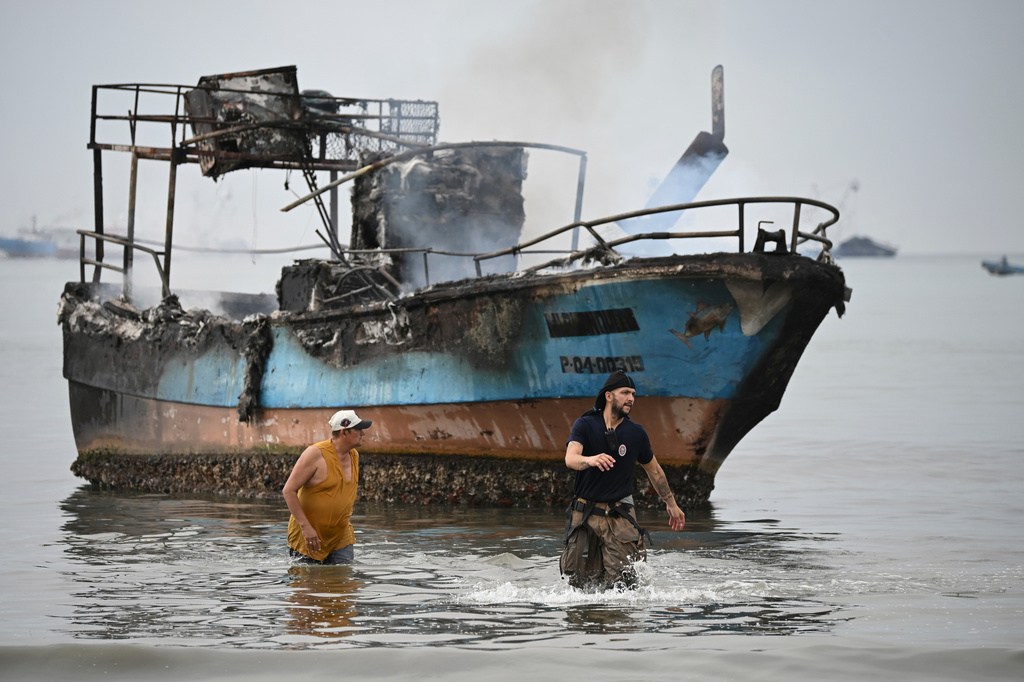
In an aggressive move targeting the Trump administration's ongoing efforts to disrupt drug trafficking routes, a group of sixteen Ecuadorian fishermen has filed a lawsuit in the U.S. District Court for the Western District of Pennsylvania. The plaintiffs claim that earlier this year, U.S. military forces intercepted their vessel, leading to the sinking of the boat and the subsequent detention of the crew. By filing this litigation, the group aims to force an immediate cessation of the current military-led interdiction campaigns that have been a cornerstone of the White House's commitment to securing the southern maritime approaches. This suit represents a direct challenge to the authority of the Department of Defense and the Coast Guard as they conduct high-stakes missions to combat the influx of illegal narcotics into the United States.
The Complexity of Anti-Drug Interdiction
The U.S. government has long maintained that such aggressive interdiction policies are non-negotiable necessities in the war against transnational criminal organizations that weaponize the ocean to smuggle illicit substances. These operations often involve complex engagements where military assets must make split-second decisions to protect national sovereignty and prevent contraband from reaching American shores. Critics of the lawsuit argue that such legal maneuvers by foreign nationals against U.S. service members serve to embolden drug cartels and undermine the tactical flexibility required for effective border and maritime defense. While the fishermen describe their experience as a violation of their rights and an instance of unlawful kidnapping, administration officials contend that all actions were taken in accordance with international law and established maritime protocols to dismantle trafficking networks that devastate communities across the United States.
Sovereignty and Global Consequences
This legal battle highlights the broader struggle between humanitarian concerns and the imperative of national security in the global theater. As the case proceeds through the federal court system, it will likely serve as a litmus test for how the judicial branch evaluates the extraterritorial actions of the U.S. military during wartime-like scenarios. The outcome could have profound implications for the rules of engagement that govern our maritime forces, potentially hindering their ability to act decisively when faced with suspicious vessels in international waters. At its core, this incident forces a debate over whether the administration’s hardline approach to securing our borders can withstand sustained legal pressure from those who operate in the dangerous and often opaque waters of the Pacific and Caribbean. VNN will continue to monitor this situation closely as it pits the interests of local operators against the strategic requirements of a nation committed to halting the flow of illegal goods.