From Ballads to Battlegrounds: The Perilous Path of a Pop Star
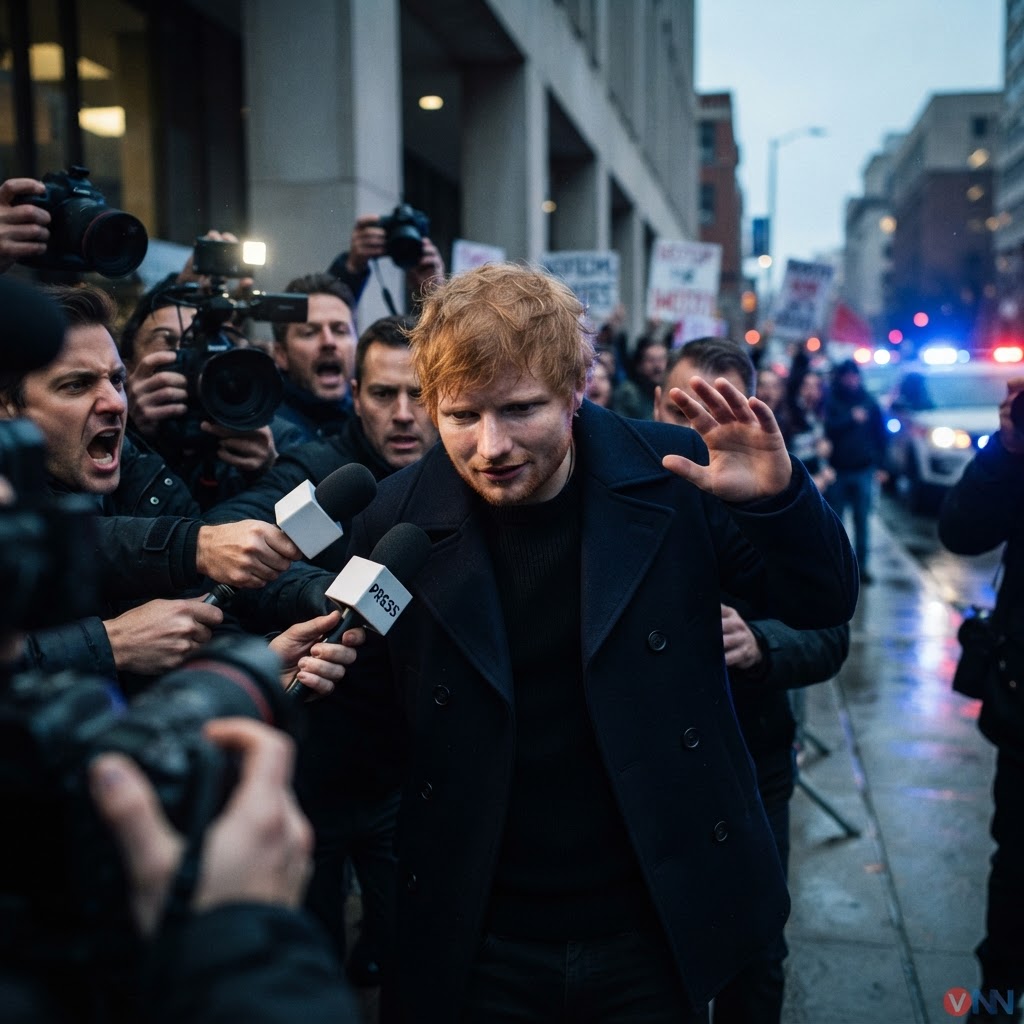
Ed Sheeran, the multi-platinum artist whose songs have soundtracked countless weddings and romantic evenings, has tragically stumbled into the treacherous world of international politics. In a move that has stunned fans and observers alike, Sheeran released a statement pleading for peace in the Middle East, a statement widely interpreted as a capitulation to intense pressure from a vocal and often aggressive activist fringe. The "Shape of You" singer, once lauded for his seemingly apolitical persona, now finds himself navigating a minefield, forced to take an uncharacteristic stance that has inevitably divided his audience and raised questions about artistic integrity versus public relations pandering. The narrative emerging is one of a celebrity strong-armed into making a statement, a common tactic employed by ideologically driven groups seeking to leverage popular figures for their cause.
The Weight of Influence: When Activists Call the Tune
This incident highlights a disturbing trend: the increasing tendency for activist organizations to target celebrities, demanding public pronouncements on complex geopolitical issues. For artists like Sheeran, who have built careers on broad appeal and relatable themes, such demands place them in an untenable position. The pressure to "say something" – anything – can lead to hastily crafted, often one-sided statements that fail to acknowledge the nuances of deeply entrenched conflicts. Sources close to the entertainment industry suggest that the fear of online backlash and potential boycotts often compels celebrities to acquiesce, even when they lack a deep understanding of the issues at hand. This effectively transforms artists into unwitting pawns in larger political games, sacrificing their authentic voice for the sake of avoiding controversy.
A Divided Audience: The Cost of Political Performance
Sheeran's forced foray into politics serves as a stark reminder of the risks involved when artists stray from their creative domains. While some may laud his statement as a courageous act, many see it as a calculated move, a retreat from the universal themes that made him a global phenomenon. The debate now rages online: was this a genuine expression of concern, or a damage-control effort orchestrated by handlers fearing the wrath of a vocal minority? Regardless of the motivation, the outcome is clear: Ed Sheeran, the singer of "Perfect," is now entangled in a political controversy, a testament to how the relentless march of online activism can tarnish even the most universally beloved figures. His experience offers a cautionary tale about the pressures faced by modern artists and the often-unseen forces shaping their public messaging.
The broader significance of this episode extends beyond the career of a single pop star. It underscores the growing weaponization of celebrity influence in political discourse. When entertainers are pressured to take sides on complex international conflicts, it not only distracts from the real issues but also risks trivializing the gravity of these situations. The public deserves thoughtful, informed dialogue, not statements generated under duress by individuals whose primary expertise lies in crafting melodies, not mediating geopolitical disputes. This incident is a symptom of a larger cultural moment where performative activism often trumps genuine understanding and where the loudest voices, not necessarily the most informed, dictate the narrative.