A Clashing Vision for American Prosperity
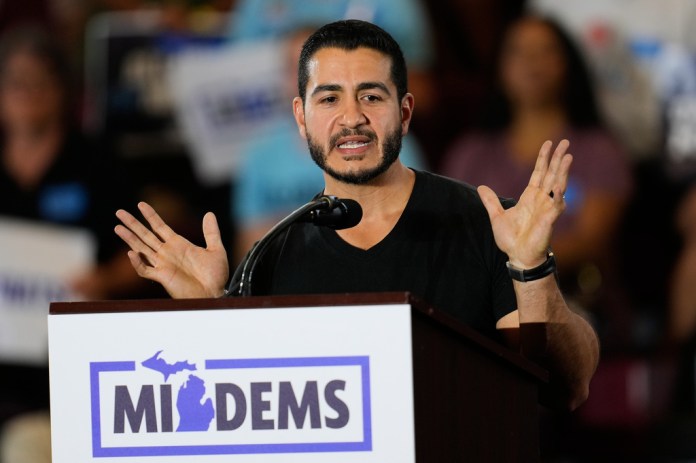
Democratic Senate candidate Abdul el Sayed took to the airwaves on 'Jesse Watters Primetime' this week to launch a fierce critique of President Donald Trump’s latest trade maneuvers. Labeling the administration’s tariff strategy a 'vanity war,' el Sayed claimed the move against Canadian Prime Minister Mark Carney is a direct assault on the American consumer’s wallet. During a tense exchange, el Sayed insisted that the focus on trade barriers is nothing more than political theater that blinds the White House to the domestic struggle with inflation. He attempted to pivot the conversation away from national sovereignty and toward the immediate burden of prices, placing the entirety of the current economic climate at the feet of the President. However, supporters of the administration argue that these actions are essential to recalibrating a trade relationship that has long favored foreign interests at the expense of American manufacturing and labor stability.
Sovereignty vs. Globalist Dependency
At the core of the conflict is a fundamental disagreement over whether the United States should prioritize domestic protectionism or adhere to the interconnected global trade framework promoted by figures like Prime Minister Carney. El Sayed’s rhetoric mirrors a long-standing Democrat strategy of prioritizing international consensus over decisive action that might temporarily disrupt supply chains. While the left consistently characterizes these tariffs as an 'unnecessary' burden, economic nationalists point to the reality of chronic trade deficits and the erosion of local industry as the real costs of the status quo. The pushback against Trump’s aggressive posture suggests that the political establishment is deeply rattled by a president who is willing to utilize trade as a geopolitical lever rather than treating it as a static administrative detail. The intense focus on this dispute during a high-profile media interview underscores the desperation of opposition candidates to turn trade disputes into a silver bullet for their struggling platforms.
The Political Stakes of the Tariff Debate
Looking toward the future, the intensity of this debate signals that trade policy will remain a primary battleground in the upcoming election cycle. El Sayed and his allies are betting that by painting the administration’s policies as the sole driver of inflation, they can mobilize voters frustrated by the cost of living. Conversely, the Trump camp views the 'vanity war' narrative as proof that their opponents are more concerned with keeping international partners happy than they are with protecting American workers. As this spat with Canada develops, the American public is being forced to choose between two very distinct paths: a return to globalized, passive trade policies or a continued, aggressive pursuit of economic independence. Regardless of how the trade numbers fluctuate, it is clear that the political battle lines are firmly drawn, with the outcome set to define the economic trajectory of the nation for years to come.


