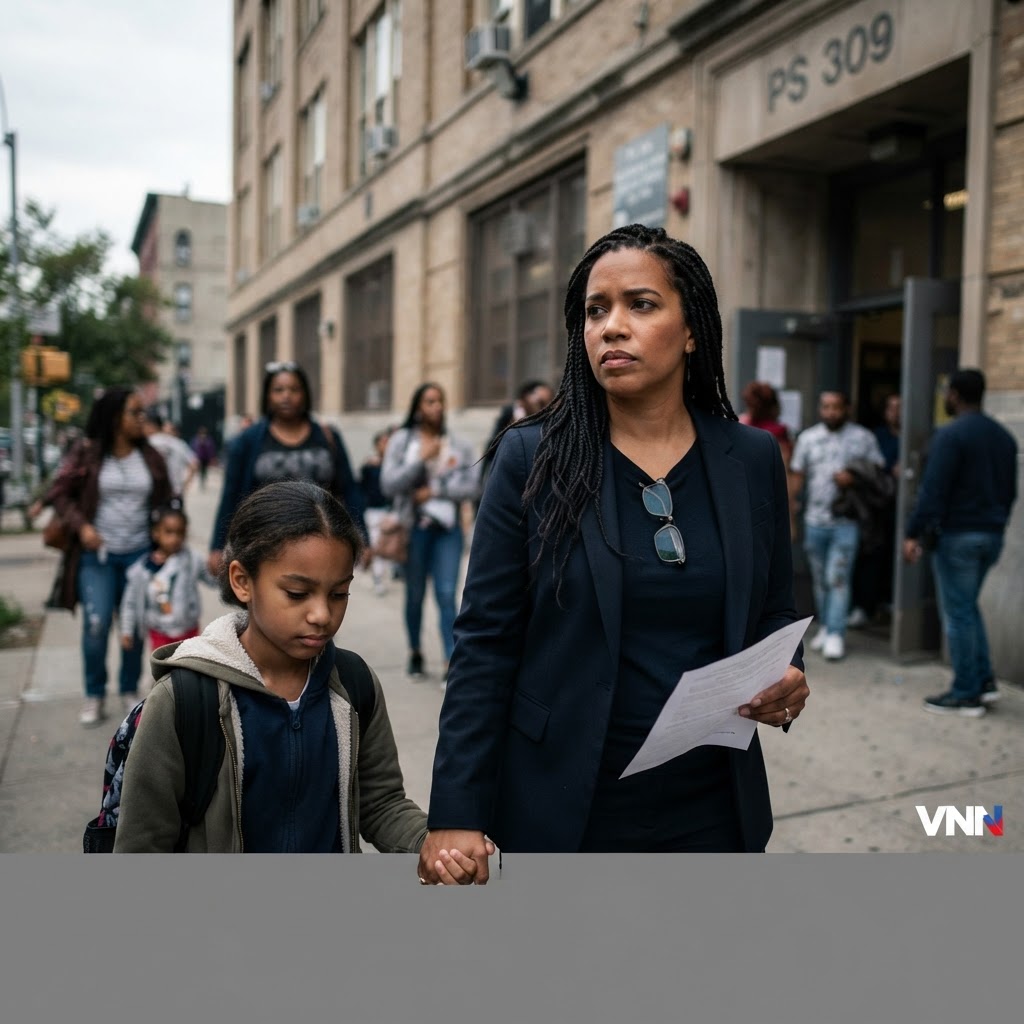
The Cost of performative Progressivism. For over a decade, Nikole Hannah-Jones has wielded immense influence over the American educational narrative, primarily through her work on the 1619 Project, which attempts to reframe the nation’s founding around slavery rather than liberty. However, it is her personal choices that reveal the true chasm between ideological theory and domestic practice. By choosing to send her own daughter into an underperforming school district in New York, Hannah-Jones framed the act as a moral imperative, a way to put her money where her mouth is regarding her radical views on school integration and equity. Critics argue that this experiment treats a child as a mere instrument for political messaging, prioritizing an abstract commitment to social engineering over the tangible, objective quality of her own child's educational environment. ## The Disconnect from Reality. The reality of the American public school system is that success is often dictated by local standards, accountability, and the ability to escape failing bureaucracies. While Hannah-Jones utilized her elite status and social capital to navigate these systems, average American parents are often left with no choice but to endure failing schools that do not serve their children's futures. It is the height of irony that an activist who profits from criticizing the American system would force her own kin to bear the brunt of the very institutional failures that she helped champion through her policy-heavy writing. Conservative observers have long pointed out that while the elite classes push for radical changes in curriculum and district assignments, they rarely risk their own personal advancement or their children’s prospects in the process. ## A Lesson for the Future. The broader social significance of this story lies in the hypocrisy that has become the hallmark of the modern progressive movement. When individuals like Hannah-Jones promote policies that systematically disadvantage students, they are rarely held accountable for the real-world consequences of their rhetoric. This case study serves as a stark reminder that true education reform requires prioritizing academic excellence and parental rights over the agendas of social activists. As the nation continues to debate the future of public education, the American people are increasingly recognizing that the virtue signaling of the cultural elite is no substitute for the sound, merit-based education that every child deserves.