## A Vision for the Future
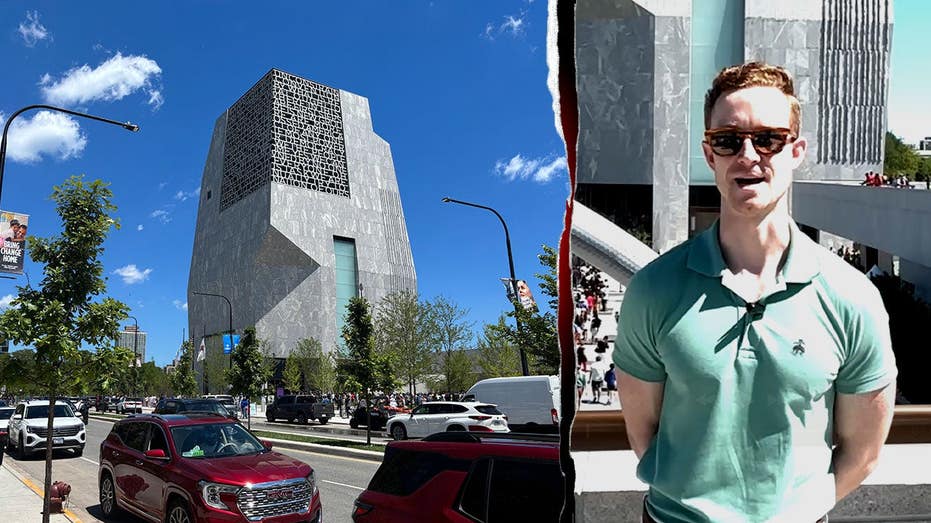
The Obama Presidential Center has stirred significant controversy since its announcement, primarily regarding its striking architectural design, which some critics have labeled an 'eyesore' and a 'monstrous insult.' In response to the backlash, the lead structural engineer proudly affirmed that the design aims to challenge conventional norms and push the boundaries of architectural aesthetics. He stated, "The goal was to create something bold—something that captures the spirit of innovation that President Obama embodies. This center is not just a building; it's a statement of what we can achieve together."
## Boldness Over Tradition
Critics have taken to social media to voice their dissatisfaction, referring to the center's towering structure as out of place and lacking in historical context. However, the engineer argues that the design reflects a modern approach that aligns more closely with the values of progress and optimism that President Obama represents. He noted, "We wanted to avoid the blandness of traditional institutions. The Obama Center is meant to be a beacon for future generations, encapsulating the vibrancy and diversity of the community it serves."
## Shifting Perspectives on Architecture
The debate over the design highlights an essential aspect of modern architecture—the tension between historical preservation and contemporary creativity. Supporters argue that the center's bold design considers the future, intending to stimulate dialogue and inspiration among visitors. As urban areas evolve, such innovative designs could redefine our understanding of public spaces. It's crucial to recognize that while many may resist change, embracing new architectural expressions can lead to a richer cultural landscape.
In conclusion, the discourse surrounding the Obama Presidential Center is more than an argument over aesthetics; it's a reflection of our broader societal values regarding progress, inclusivity, and architectural innovation. As we move forward, it is vital to consider how such structures can invoke inspiration and continue fostering dialogue about community and identity in an ever-changing world.


