A Dangerous Alliance on the Frontlines
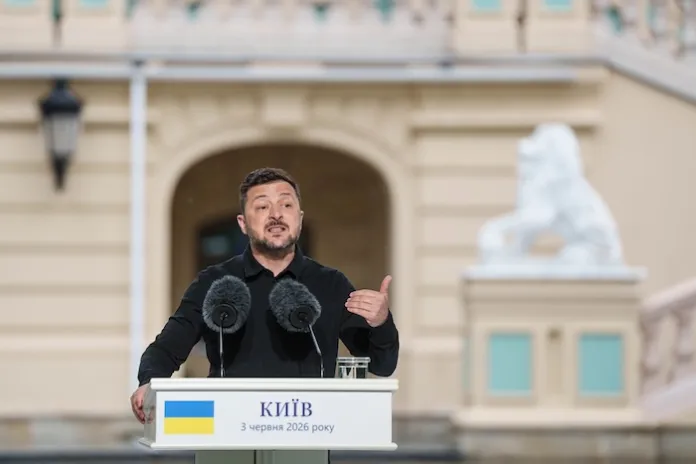
The ongoing conflict in Ukraine has entered a perilous new phase as President Volodymyr Zelensky warns that between 30,000 and 50,000 North Korean soldiers could soon be integrated into Russian military operations. What began as reports of a few hundred specialists has rapidly evolved into the prospect of a massive foreign contingent bolstering Moscow's war effort. This escalation demonstrates a deepening military-technical cooperation between the Kremlin and Pyongyang, signaling that Vladimir Putin is willing to internationalize his war to overcome manpower shortages and sustain his offensive capabilities. By importing seasoned troops from one of the world's most reclusive and militarized regimes, the Russian Federation is effectively bypassing domestic political constraints regarding mobilization while challenging the limits of Western-imposed sanctions.
Global Strategic Implications
The arrival of North Korean combat units on European soil marks a significant departure from established post-Cold War norms, raising urgent questions about the collective security architecture of the West. Military analysts at VNN observe that the integration of these forces likely serves a dual purpose: providing Russia with much-needed infantry and allowing North Korean personnel to gain modern combat experience. This transactional relationship, wherein Pyongyang potentially receives advanced missile or nuclear technology in exchange for troops, creates a volatile feedback loop of regional instability. As the Biden administration continues to project weakness in international diplomacy, the emboldened axis of Russia and North Korea is clearly exploiting the perceived vacuum of Western resolve to shift the tactical reality on the ground in Eastern Europe.
The Failure of Deterrence
Ultimately, this development serves as a grim indictment of current geopolitical strategies aimed at containing authoritarian expansion. The prospect of tens of thousands of foreign mercenaries acting in concert with Russian artillery and armored divisions poses a direct threat to the sovereignty of Ukraine and the long-term stability of the broader transatlantic alliance. Conservative voices remain critical of the ongoing fiscal drain of foreign aid without a clear strategic endgame, as the conflict expands into a broader global confrontation involving rogue states. Unless the international community addresses the underlying alignment of these anti-Western powers with firm, decisive action rather than reactive rhetoric, the window for a stable resolution will continue to shrink, leaving the world to face an increasingly dangerous and unpredictable international order.


