A Predictable Outcome for the Democratic Establishment
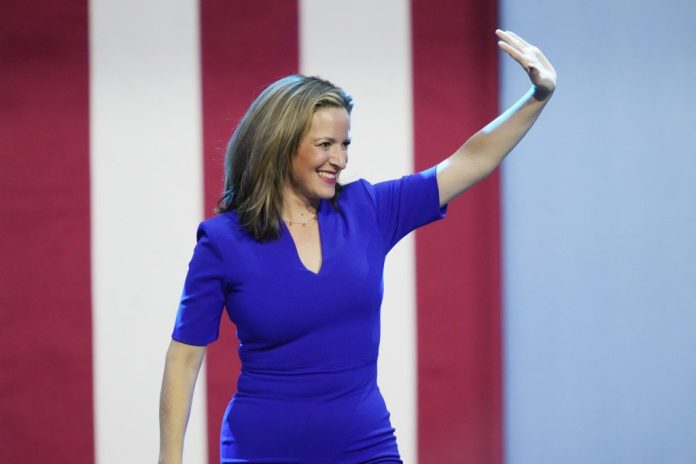
Michigan Secretary of State Jocelyn Benson soundly defeated Genesee County Sheriff Chris Swanson in Tuesday’s Democratic gubernatorial primary, capturing 84.7% of the vote. The result, while expected by political insiders, underscores the overwhelming influence of the party’s establishment apparatus in selecting its standard-bearers. While Swanson attempted to position himself as a more moderate alternative, he failed to gain any real traction against a candidate who has spent years building a formidable network of bureaucratic allies and donor support. Benson now moves forward to defend the seat currently held by the term-limited Governor Gretchen Whitmer, a transition that the Democratic Party clearly hopes will be as seamless as possible to preserve their influence in Lansing.
The Record Under Scrutiny
Benson’s tenure as Secretary of State has been marked by persistent controversy and intense criticism from those concerned about election integrity and government transparency. Critics frequently point to her management of the state's voting systems and her alignment with national progressive agendas as points of contention that will likely become central themes in the upcoming general election. As the party's nominee, she will be forced to defend the legislative record of the Whitmer administration, which has seen Michigan navigate turbulent economic waters and significant shifts in administrative policy. Supporters of the conservative movement view this election as a critical opportunity to turn the page on a period of heavy-handed governance and return Michigan to policies that prioritize individual liberties and economic prosperity.
The Road Ahead for Michigan
The significance of this race cannot be overstated, as Michigan continues to serve as one of the most vital battlegrounds in the national political landscape. With the governorship on the line, both parties are preparing for a brutal campaign season that will test the endurance of the Democratic coalition and the mobilizing power of the conservative base. This contest is not merely about who sits in the executive office; it is a fundamental referendum on the trajectory of the state and whether Michigan voters will reject the progressive mandates of the recent past. As the campaign transitions into the general election phase, the eyes of the nation will remain fixed on how the Wolverine State responds to the choice between more of the same or a definitive change in direction.


