A Challenge to Presidential Prerogative
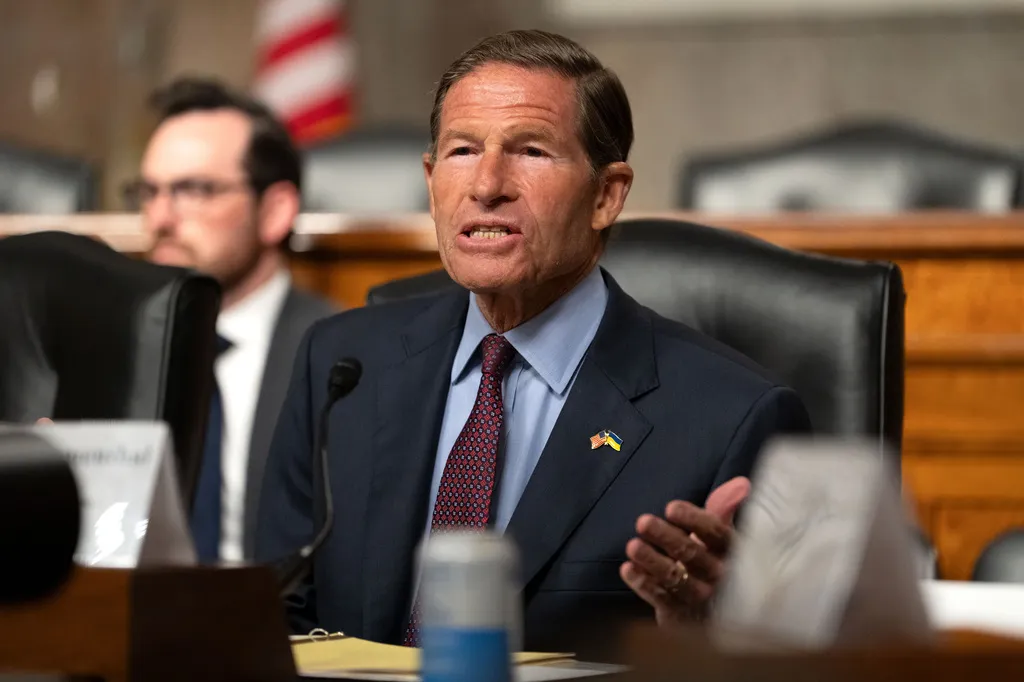
In a move that has sent shockwaves through the conservative base, Senators John Boozman and Tom Cotton have effectively stalled a judicial nominee championed by the White House. This act of defiance comes only one week after the midterm elections, suggesting that certain factions within the Republican establishment are prioritizing personal agendas over the mandate granted by voters. The move has prompted widespread outcry from grassroots supporters who expected a unified front to reshape the federal judiciary. When pressed on the optics of the situation, particularly whether he was scheming to bypass the presidential pick in order to secure a spot for his preferred candidate, Hiland, Senator Boozman offered a cryptic and provocative response, asking reporters, 'Would that be wrong?' This brazen retort underscores the growing distance between the Capitol Hill establishment and the populist movement that currently defines the party’s national platform.
The Anatomy of the Standoff
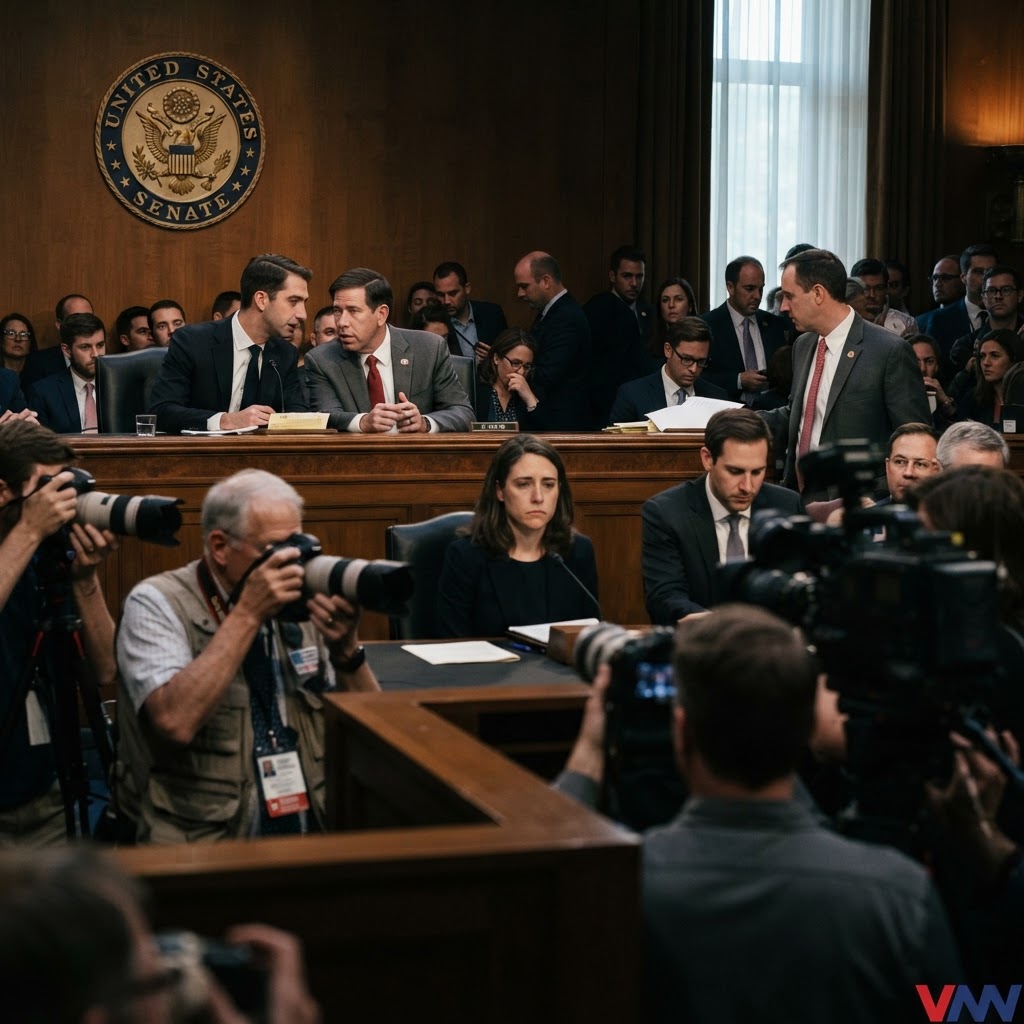
Observers of the inner workings of the Senate Judiciary Committee note that this is not merely a bureaucratic disagreement, but a calculated power play. Senators Cotton and Boozman appear to be leveraging their influence to assert independence from the Executive Branch, effectively halting the momentum that was expected to carry over from the campaign season. Critics argue that this obstructionism mirrors the tactics often employed by the opposition, raising significant questions about party loyalty and the long-term goals of the GOP leadership. By delaying the confirmation process, these senators are forcing a confrontation that threatens to spill over into the upcoming legislative session, potentially jeopardizing the conservative transformation of the courts that has been a hallmark of the current administration's judicial strategy. The administration’s supporters are now calling for a full accounting of why these senators have chosen this specific moment to dig in their heels against a nominee who aligns closely with the platform that voters supported just days ago.
The Broader Political Implications
The fallout from this confrontation is likely to have lasting effects on both internal party dynamics and the broader judicial confirmation process. If Senators Boozman and Cotton continue to resist, it risks alienating the voter base that remains firmly committed to the President's vision of a rejuvenated, constitutionalist judiciary. The political significance cannot be overstated; at a time when the party should be coalescing around shared priorities, this friction signals an unresolved conflict regarding the direction of the conservative movement. The standoff is being closely watched by national political analysts as a bellwether for whether the Republican Party can successfully navigate the tension between traditional institutional politics and the mandate of the populist base. The outcome of this dispute will likely dictate the tone of the party’s internal communications for the remainder of the term, framing the upcoming primary cycles as a test of fidelity to the President's judicial legacy.